

Basílica de San Zeno Maggiore
Última actualización el 3 de noviembre de 2026Qué hace especial Basílica de San Zeno Maggiore
Three things here are among the best of their kind in Italy, and the church is quiet because it sits a twenty-minute walk outside the tourist centre. The bronze doors are forty-eight cast panels from the eleventh and twelfth centuries, the most important medieval metalwork of their type anywhere. The facade reliefs are by Nicolò. And Mantegna painted the altarpiece for this building, for this position, with the real architecture of the apse continued into the picture.
Visit if you:
- are fascinated by medieval and Romanesque history
- like early Renaissance painting seen where it was meant to hang
El reto para quien visita
Skip it if you:
- are not willing to walk twenty minutes out of the centre, which is the price of its quiet
- have a single morning and have not yet seen the centre
La estrategia de visita
La mejor época del año para visitar
Morning is best: the facade faces west, so the reliefs and doors read most clearly later in the day, but the interior is brighter and emptier early.
Late afternoon puts direct sun on the facade, which is when the carving and the rose window are at their most legible from the piazza.
Spring and autumn are the comfortable seasons; Verona is very hot in July and August, though the church interior stays cool.
Avoid Sunday morning unless you are attending Mass.
The church is never as busy as the Arena or Juliet's house, at any time of year.
Datos rápidos
- Tipo: Iglesia
- Entrada: €4
- Reserva: No hace falta — entradas en taquilla
- Visita típica: Una hora
- Construido: Rebuilt 12th century, after the 1117 earthquake
- Diseñado por: Nicolò (porch and facade sculpture)
- Estilo arquitectónico: Románico
- Confesión: Católica romana
- Forty-eight bronze panels: The doors were cast in two campaigns across the 11th and 12th centuries; the earlier panels are stiff and strange, the later ones markedly more assured, so the change in medieval sculpture is visible in one doorway.
- Mantegna still on his own altar: The San Zeno Altarpiece of 1457-60 remains where it was painted to hang. The predella panels are copies -- Napoleon took the originals, and they are now in Tours and the Louvre.
- Patrimonio de la Humanidad de la UNESCO: Sí
Dónde está
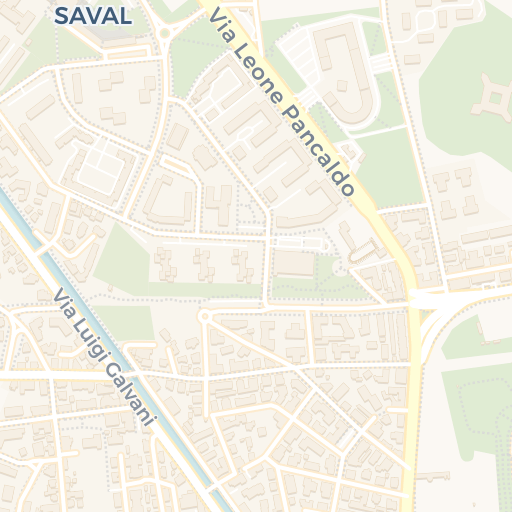
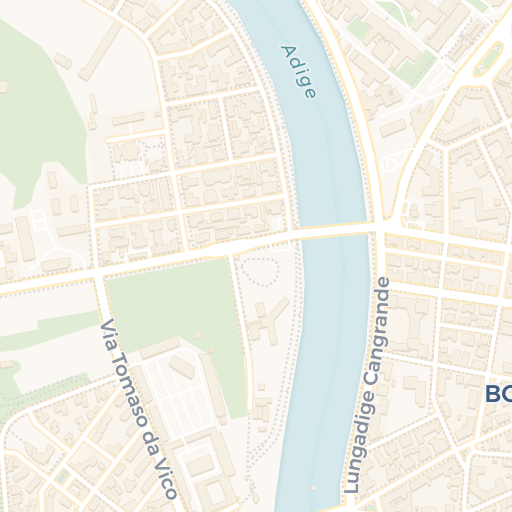
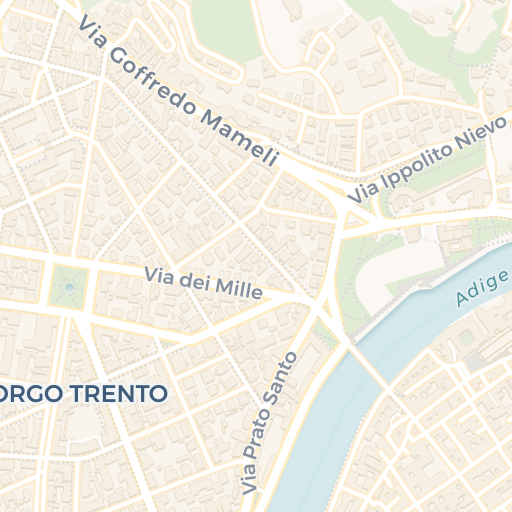
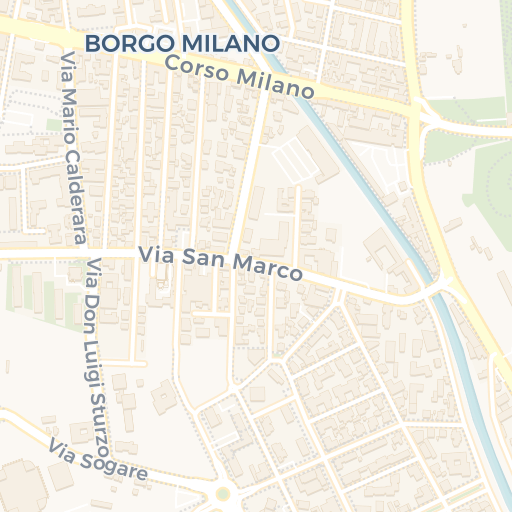
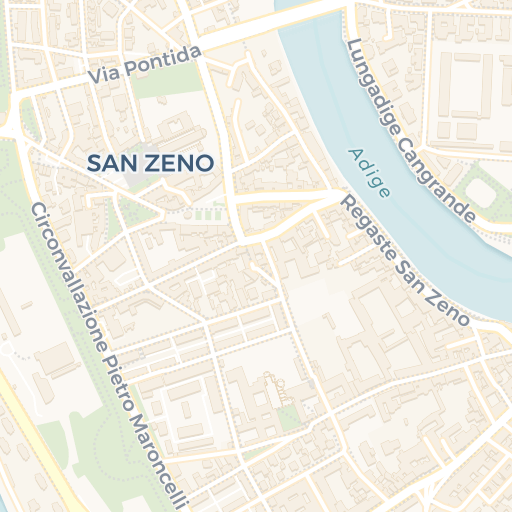
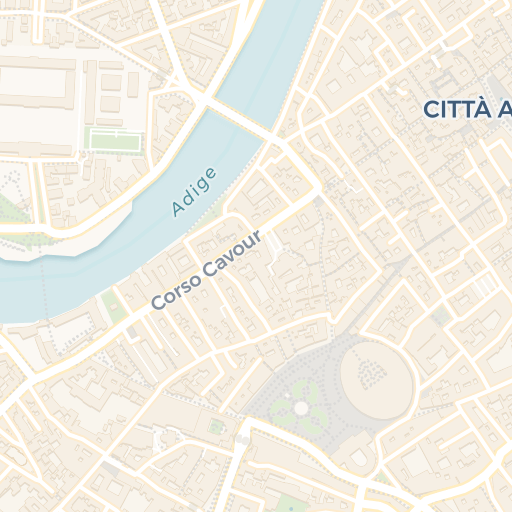
Cómo llegar Abrir en Apple Maps
© OpenStreetMap contributors · © CARTO · 45.4426, 10.9789
Entradas y acceso
What is free
More of San Zeno is outside the ticket than in most Verona churches. The piazza, the west front and the detached bell tower cost nothing, and the rose window and the sculpted portal facing the square are a large part of why the basilica is famous.
Inside, the ticket is €4 (€8 for the four-church pass) and it is waived outright for residents of Verona, its province and diocese, children under 11, members of religious orders, guides registered with the Ministry of Tourism, journalists, military personnel, and a visitor with a disability plus one companion.
The boundary is the desk just inside the door: the nave, the crypt and the Mantegna are all beyond it.
It is about a twenty-minute walk west from Piazza Bra along the river, or a short bus ride. Being outside the tourist core is exactly why it is quieter.
Opening hours differ between summer and winter and are shorter on Sunday mornings, when Mass takes priority.
Allow forty-five minutes to an hour -- longer if you look properly at the doors, which reward it.
The church is mostly level at the entrance, but the presbytery and crypt are reached by steps, so parts of the interior are not accessible.
Shoulders and knees should be covered.
Planifica tu visita
Entrada: €4 · Single-church ticket; a combined ticket covers four of Verona’s churches
San Zeno cobra una entrada pequeña, y está incluida en la Verona Card y en el billete combinado de las iglesias de la ciudad, que merece la pena si piensas ver más de una.
Qué es gratis
De San Zeno se ve fuera del billete más que en casi cualquier otra iglesia de Verona. La plaza, el frente occidental y el campanario exento no cuestan nada, y el rosetón y la portada esculpida que dan a la plaza son buena parte de la fama de la basílica.
Dentro, la entrada cuesta 4 € (8 € el billete conjunto de cuatro iglesias) y es totalmente gratuita para los residentes en Verona, su provincia y su diócesis, los menores de 11 años, los religiosos, los guías acreditados por el Ministerio de Turismo, los periodistas, los militares y una persona con discapacidad con un acompañante.
El límite es el mostrador unos pasos después de la puerta: la nave, la cripta y el Mantegna quedan todos al otro lado.
Son unos veinte minutos a pie hacia el oeste desde la piazza Bra a lo largo del río, o un trayecto corto en autobús. Estar fuera del núcleo turístico es exactamente lo que la mantiene más tranquila.
El horario difiere entre verano e invierno y es más corto los domingos por la mañana, cuando la misa tiene prioridad.
Calcula de cuarenta y cinco minutos a una hora, más si miras las puertas como es debido, cosa que compensa.
La iglesia está casi toda a nivel en la entrada, pero al presbiterio y a la cripta se llega por escalones, así que partes del interior no son accesibles.
Hombros y rodillas deben ir cubiertos.
Verificado en Chiese Vive, octubre de 2026.
Visita responsable
Esto es a la vez una parroquia en activo y un monumento de primer orden. Guarda silencio, mantente al margen de los oficios y no fotografíes a quien esté rezando.
Sin flash, en especial cerca del Mantegna. El retablo tiene más de cinco siglos y medio y está en su posición original, no en condiciones de museo.
No toques las puertas de bronce. Los paneles inferiores ya están pulidos por las manos, y el daño es acumulativo e irreversible.
Compra el billete combinado de iglesias en vez de una entrada suelta si vas a ver varias. Las iglesias de Verona se mantienen en buena medida con esos ingresos.
Venir a pie o en autobús en vez de en coche mantiene el tráfico fuera de un barrio residencial que recibe relativamente pocos visitantes.