

Red Fort
Last updated on November 3, 2026What makes Red Fort special
The Red Fort is unusual because its missing buildings are as informative as its surviving ones. The ceremonial route, water-linked pavilions, British barracks and cleared palace ground let one enclosure explain Mughal court design, colonial occupation and the national ceremonies that followed independence.
Visit if you:
- want to connect Old Delhi’s urban history with India’s Independence Day ceremony
Challenge to visitors
Skip it if you:
- expect a complete or furnished seventeenth-century palace—the interior contains large areas of loss and later military fabric
- cannot manage long exposed distances between dispersed buildings
Visiting tips and strategy
When to go
October through March is the easiest season for an outdoor visit. Delhi's long-term Safdarjung normals place the coolest conditions in winter. April through June becomes progressively hotter, while July through September brings most of the annual rain.
Red Fort is mostly outdoors, with exposed walks between gates, courts and pavilions. In hot weather, start near opening and carry water where site rules allow it. Winter mornings can be cool or hazy; check current air-quality guidance if visibility or respiratory health will shape the visit.
Verified against India Meteorological Department, October 2026.
What it costs
What is free
The walls and Lahore Gate can be viewed from the Chandni Chowk side without a ticket. The paid boundary begins at the screened visitor entrance; the palace grounds, pavilions and internal museums lie beyond it.
Security screening and the size of the enclosure make this a longer visit than the view from Chandni Chowk suggests. Carry only essentials. Drones, tripods, climbing, graffiti, feeding animals and entry into restricted areas are prohibited at ASI monuments.
National ceremonies and security arrangements can close parts of the complex. If a particular museum or pavilion matters, verify its status separately from the general monument opening.
Verified against Archaeological Survey of India, October 2026.
Getting there and getting in
Admission: ₹600 · Rates vary by visitor category; verify the current amount through the official ASI ticket channel.
Prices verified October 2026
Plan the route, not only the photograph
Red Fort is a ticketed Archaeological Survey of India monument. Check the official ticket portal and Delhi Tourism page for the current opening day, price category and any museum supplement before travelling.
Verified against Delhi Tourism, October 2026.
Quick facts
- Type: Site Complex, Palace, Castle, Historic Place
- Visitor access: Open to visitors
- Admission: ₹600
- Reservation: Not required — tickets on the door
- Built: 1638–1648
- Built by: Mughal emperor Shah Jahan
- Built for: Palace-fort of Shahjahanabad
- Designed by: Ustad Ahmad Lahauri (architect)
- Architectural style: Mughal palace-fort; Persian, Timurid, Islamic and Hindu influences
- Size: 49.1815 ha
- World Heritage: Inscribed in 2007
- Palace axis: Nahr-i-Behisht water channel
- UNESCO World Heritage Site: Yes
Where it is
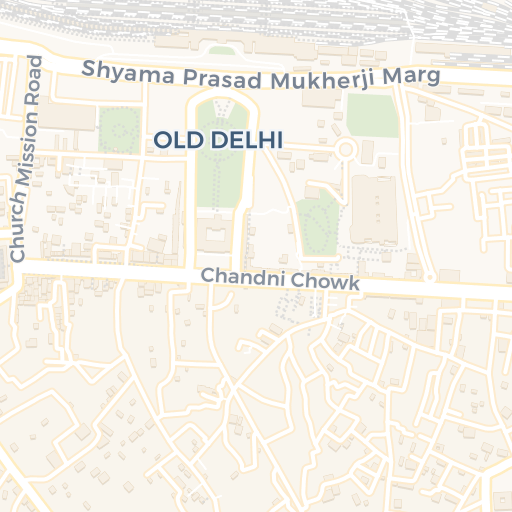
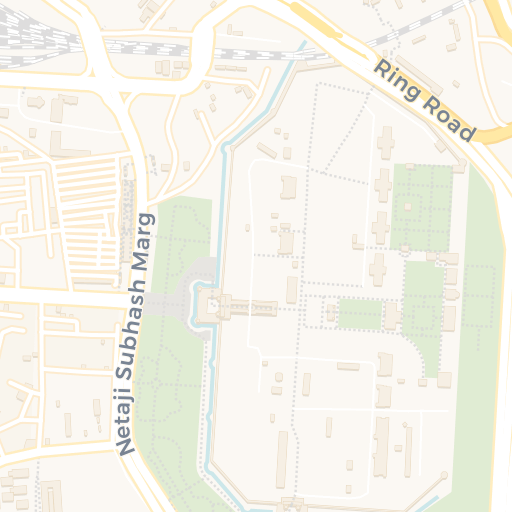
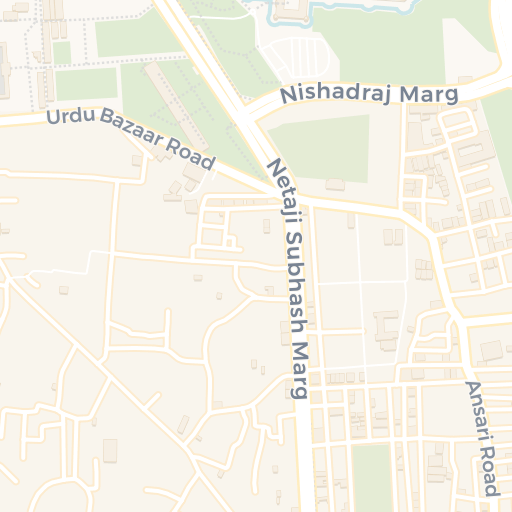
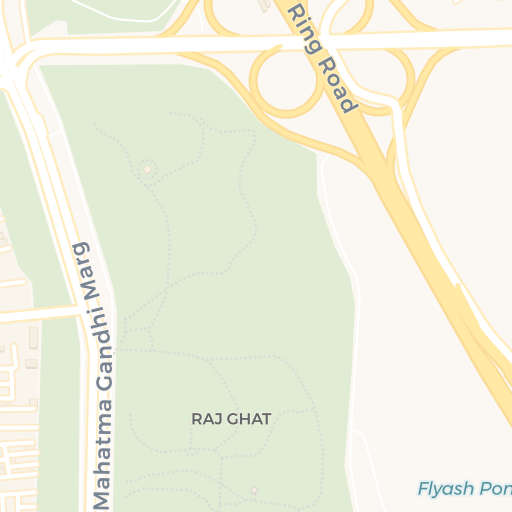
Get directions Open in Apple Maps
© OpenStreetMap contributors · © CARTO · 28.65608, 77.2408
Visit responsibly
The fort receives heavy use and its sandstone, marble and plaster are vulnerable to repeated contact. Stay behind barriers, do not sit or climb on historic fabric, and keep bags and equipment away from carved surfaces.
Read the British barracks and empty palace ground as part of the history. Treating only the most decorative Mughal pavilions as “the fort” erases the occupation and demolition that shaped what survives.
Use the metro or another shared mode where practical. The Chandni Chowk edge is dense, and additional private traffic adds pressure without improving access to the gate.