

Kartavya Path
Last updated on November 3, 2026What makes Kartavya Path special
Kartavya Path is the clearest place to understand New Delhi as a designed capital rather than a collection of monuments. The slope, lawns, water channels and widening spaces hold Rashtrapati Bhavan, the Secretariat buildings and India Gate in one continuous composition, while the 2022 redesign records a later effort to make the avenue work as public space.
Visit if you:
- want a direct link between Rashtrapati Bhavan, Vijay Chowk and India Gate
Challenge to visitors
Skip it if you:
- need shade throughout—the long avenue includes exposed stretches
- expect a compact attraction with a single entrance or interior
Visiting tips and strategy
When to go
October through March is the easiest season for an outdoor visit. Delhi's long-term Safdarjung normals place the coolest conditions in winter. April through June becomes progressively hotter, while July through September brings most of the annual rain.
Kartavya Path is a long, exposed avenue whose full walk takes more effort than its uninterrupted vista suggests. In hot weather, start near opening and carry water where site rules allow it. Winter mornings can be cool or hazy; check current air-quality guidance if visibility or respiratory health will shape the visit.
Verified against India Meteorological Department, October 2026.
Getting there and getting in
Open public space
Kartavya Path is normally accessible without admission. Delhi Tourism lists it as open at all hours, but individual lawns, road crossings and sections can close for maintenance, rehearsals or security.
The Republic Day period brings major restrictions. Do not plan an ordinary walk during parade setup without checking current official notices.
The axis is long and exposed. Use the metro, choose a defined segment and carry water in hot weather.
Verified against Delhi Tourism, October 2026.
Quick facts
- Type: Street/Avenue, Historic Place
- Visitor access: Open to visitors
- Reservation: Not required — tickets on the door
- Built: Planned in the 1910s; opened 1931; renewed 2022
- Built for: Ceremonial axis of New Delhi
- Designed by: Sir Edwin Lutyens and the New Delhi capital project
- Architectural style: Beaux-Arts-influenced imperial civic planning
- Former names: Kingsway; Rajpath
- Present name: Adopted 8 September 2022
Where it is
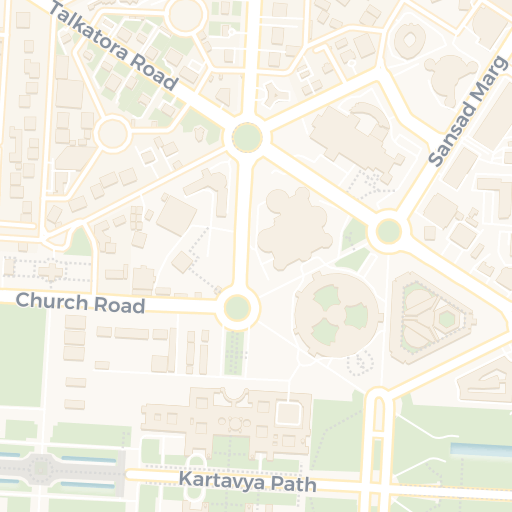
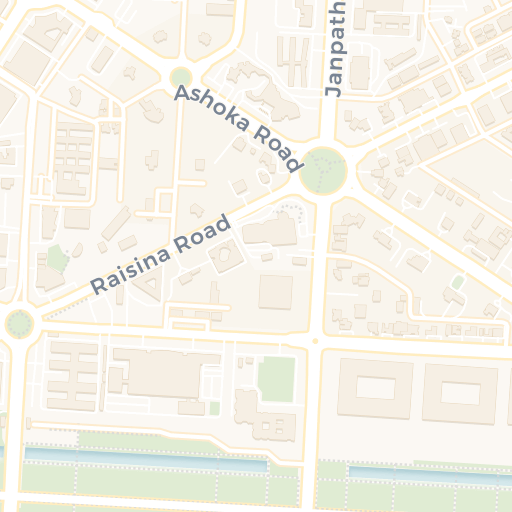
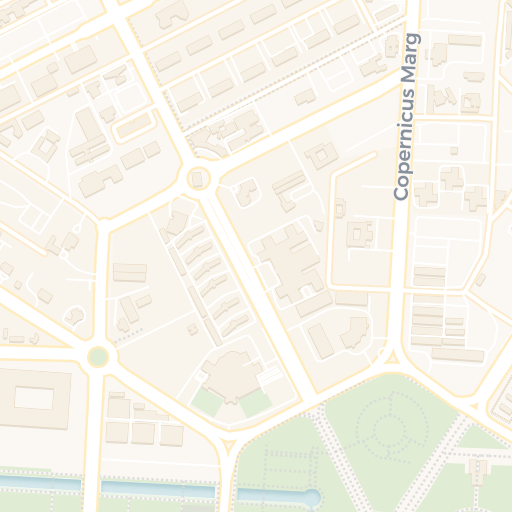
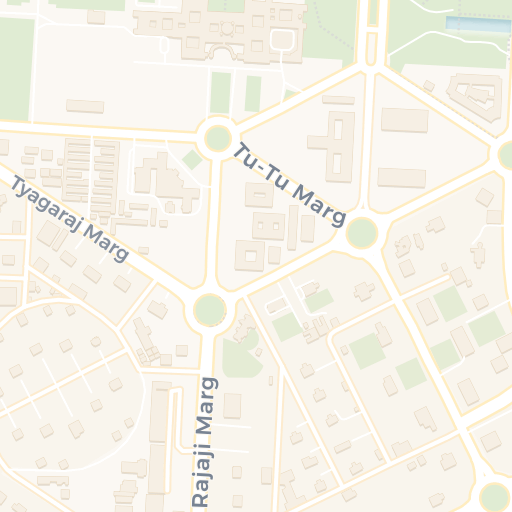
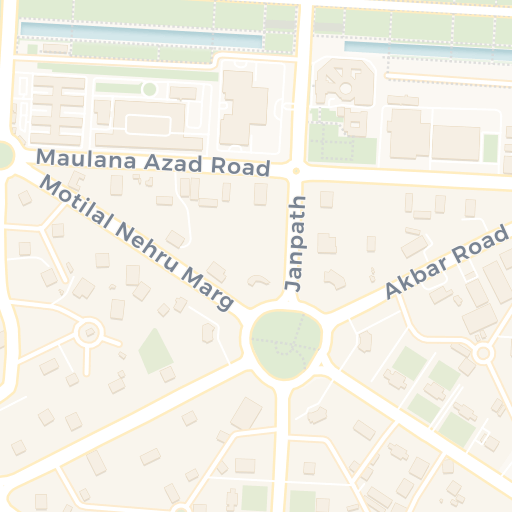
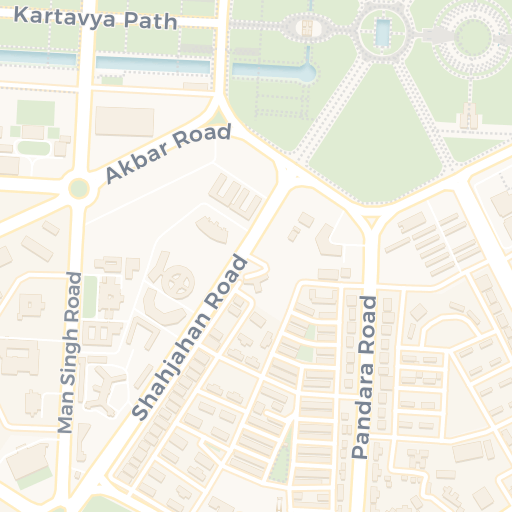
Get directions Open in Apple Maps
© OpenStreetMap contributors · © CARTO · 28.6136, 77.21534
Visit responsibly
Use paths and underpasses rather than crossing active carriageways or worn lawn edges. The renewed planting absorbs extremely high public use.
Keep canals and lawns free of food and packaging. Shared evening use works only when the public realm is left clean.
Respect temporary barriers during ceremonies. They protect both security operations and the landscape.