

Safdarjung's Tomb
Last updated on November 3, 2026What makes Safdarjung's Tomb special
Safdarjung’s Tomb is a compact place to compare the beginning and end of Delhi ’s monumental Mughal garden-tomb tradition. Its axial garden remains easy to read, while uneven proportions and reused materials reveal the different resources and politics of the 1750s. Heat on the exposed axes is the main friction. Arrive early, walk the full garden cross before entering the tomb and compare the perimeter pavilions on the return.
Visit if you:
- want a quieter comparison with Humayun’s Tomb
Challenge to visitors
Skip it if you:
- expect the scale or finish of the major imperial Mughal mausoleums
- need every upper room and pavilion to be open
Visiting tips and strategy
When to go
October through March usually offers the easiest conditions. Delhi's 1991–2020 Safdarjung normals show cooler winters, rising heat from April through June and most annual rain from July through September.
Safdarjung's Tomb is mostly outdoors, with exposed axial paths and shade beneath trees and arcades. In hot weather, arrive early and carry water where site rules allow it. Winter can bring haze and poor air quality, so check current public guidance if visibility or respiratory health matters to the visit.
Verified against India Meteorological Department, October 2026.
What it costs
What is free
The upper gate and part of the monument’s silhouette can be seen from the public road. The garden, central tomb and perimeter pavilions lie inside the ticketed boundary.
Expect security screening and an outdoor walk. ASI rules prohibit climbing, graffiti, drones, tripods, feeding animals and entry to restricted areas.
Verified against Archaeological Survey of India, October 2026.
Getting there and getting in
Admission: ₹300 · Rates vary by visitor category; verify the current amount through the official ASI ticket channel.
Prices verified October 2026
A ticketed garden monument
Delhi Tourism lists daily sunrise-to-sunset access. Verify current admission through the ASI ticket channel because category prices and payment systems can change.
Verified against Delhi Tourism, October 2026.
Quick facts
- Type: Mausoleum, Garden, Historic Place
- Visitor access: Open to visitors
- Admission: ₹300
- Reservation: Not required — tickets on the door
- Built: 1753–1754
- Built by: Commissioned by Shuja-ud-Daula
- Built for: Mausoleum of Safdarjung
- Architectural style: Late Mughal enclosed garden tomb
- Denomination: Islam (Mughal-era)
- Garden plan: Four-part charbagh
- Named pavilions: Jangli, Moti and Badshah Pasand
Where it is
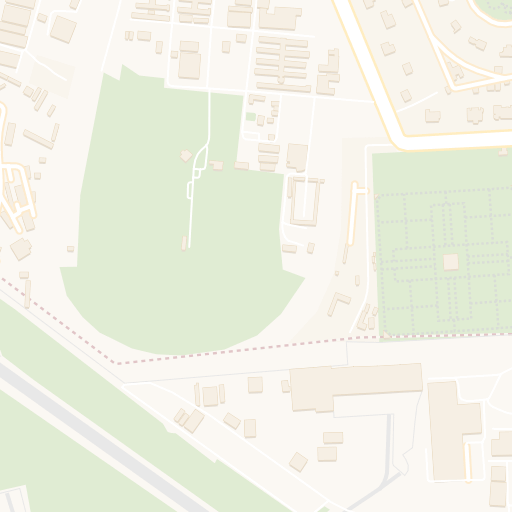
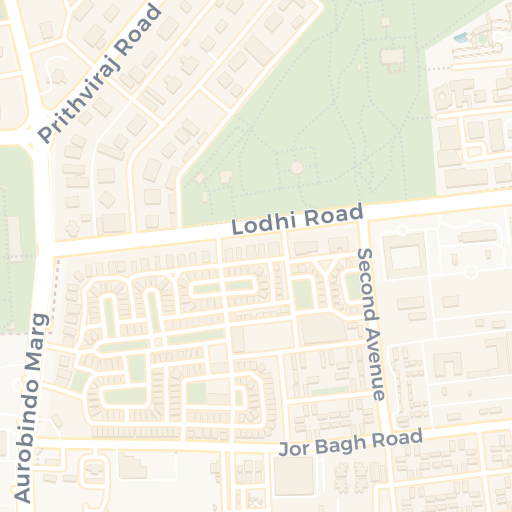
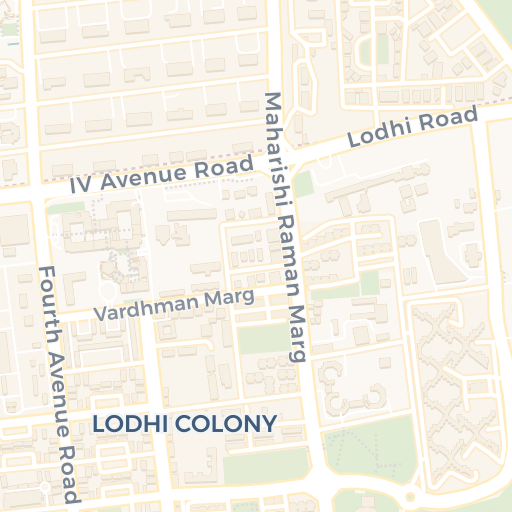
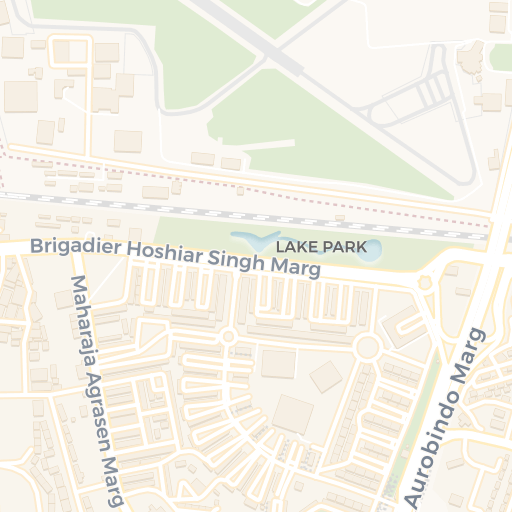
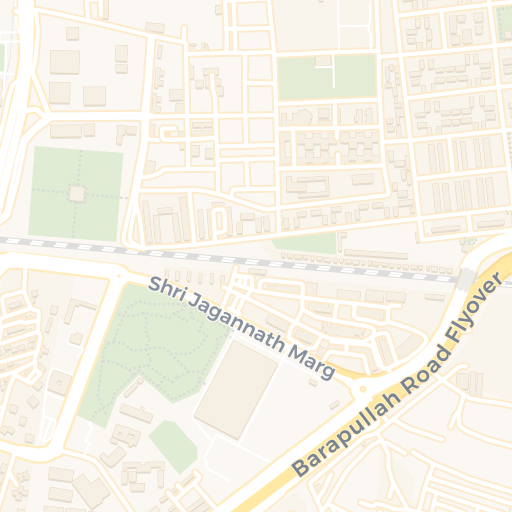
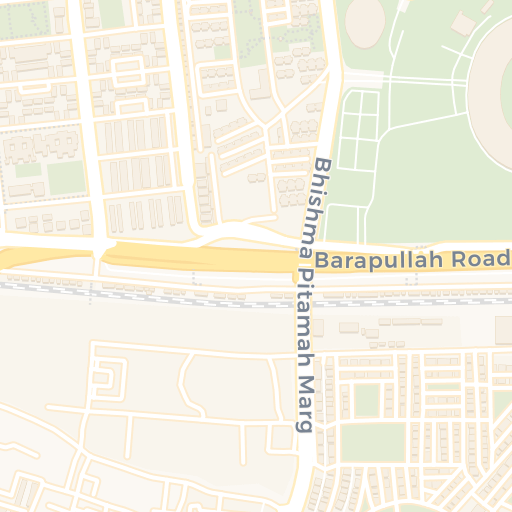
Get directions Open in Apple Maps
© OpenStreetMap contributors · © CARTO · 28.58929, 77.21316
Visit responsibly
The axial channels and lawns are part of the historic design, not shortcuts between viewpoints. Use paths and bridges so repeated foot traffic does not wear garden edges.
Plaster, sandstone and marble surfaces are vulnerable to touch and scratching. Keep off platforms or rooms marked closed even when an opening appears easy to cross.
Compare the building on its own eighteenth-century terms. Calling it merely a failed Humayun’s Tomb overlooks what its changed proportions and materials reveal about patronage after Mughal imperial power weakened.