

Cubbon Park
Last updated on November 3, 2026What makes Cubbon Park special
Cubbon Park explains why greenery is part of Bengaluru’s identity without pretending the city is quiet or rural. Traffic and government buildings remain visible, but the canopy changes the pace of the centre and links several cultural institutions on foot. It is strongest as a lived public park rather than as a checklist monument. Someone expecting one grand garden axis may find its roads and scattered institutions untidy; someone willing to wander will see how residents actually use the city centre.
Visit if you:
- are combining the park with nearby museums or Vidhana Soudha
Challenge to visitors
Skip it if you:
- want a tightly curated botanical collection
- have time only for a single indoor attraction
Visiting tips and strategy
When to go
November through February is the easiest season for long walks. October can remain wet, while March through May is warmer even under the canopy. The park stays useful year-round because shade is its principal asset.
Early mornings bring walkers, runners and better bird activity; weekends can be sociable and busy. A weekday after the commuter peak is calmer for reading the buildings. Check the separate weekly closures of any museum or library before combining them with the park.
What it costs
What is free
Walking, sitting and using the ordinary public park require no admission ticket. The aquarium, children’s attractions, museums and special activities keep independent hours and may charge separately.
The park is large enough that meeting points matter. Name a gate, metro station or building rather than saying only “Cubbon Park.” Carry water, but keep food sealed where animals gather.
Getting there and getting in
Admission: Free + paid options · Free park entry; selected institutions and activities inside or beside the park charge separately.
Prices verified October 2026
Separate the park from the institutions inside it
Cubbon Park itself is free, and Karnataka Tourism currently lists general daytime access with recurring closure or restriction periods. Confirm current signs at the gate because maintenance, events and traffic policy can alter individual routes.
Verified against Karnataka Tourism, October 2026.
Quick facts
- Type: Garden, Site Complex, Historic Place
- Visitor access: Open to visitors
- Admission: Free + paid options
- Typical visit: About 2 hours
- Built: Laid out in 1870; expanded and altered through the 19th and 20th centuries
- Built by: Mysore State public works and horticultural administrations
- Built for: Public park, civic landscape and cultural precinct
- Architectural style: Informal urban park with avenues, lawns, civic buildings and memorials
- Size: About 300 acres (1.2 sq km); originally about 100 acres
- Official name: Sri Chamarajendra Park
- Established: 1870
Where it is
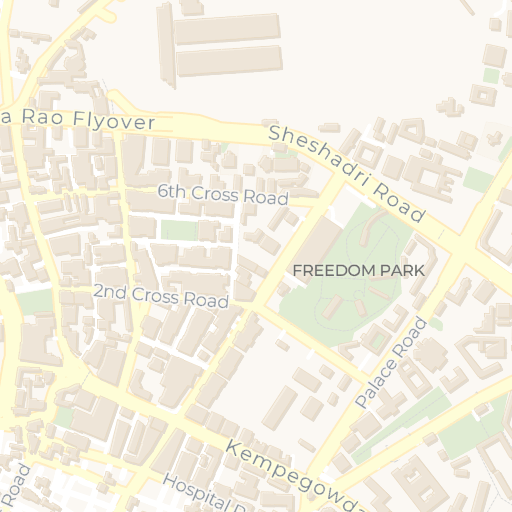
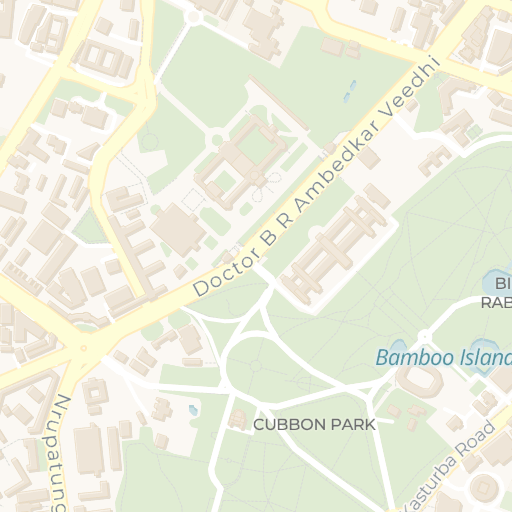
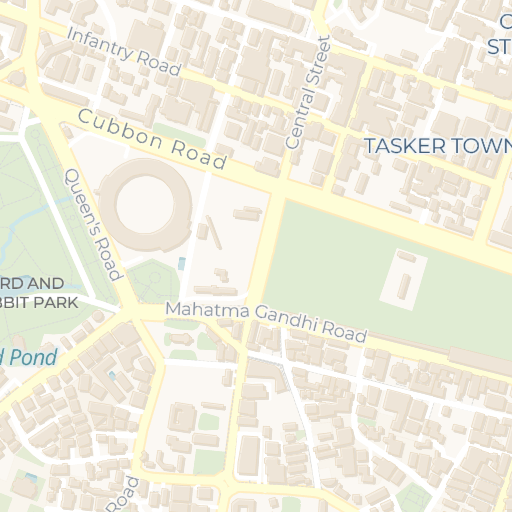
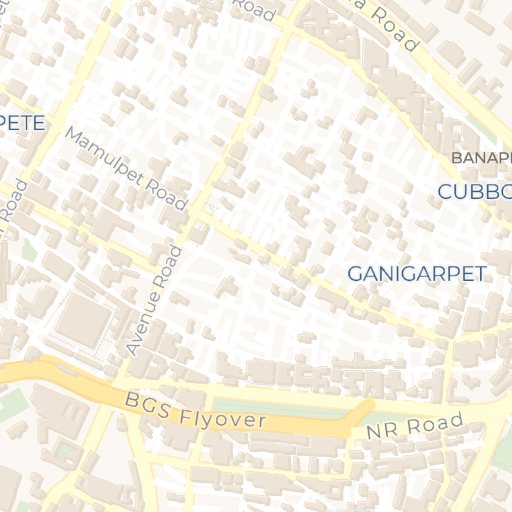
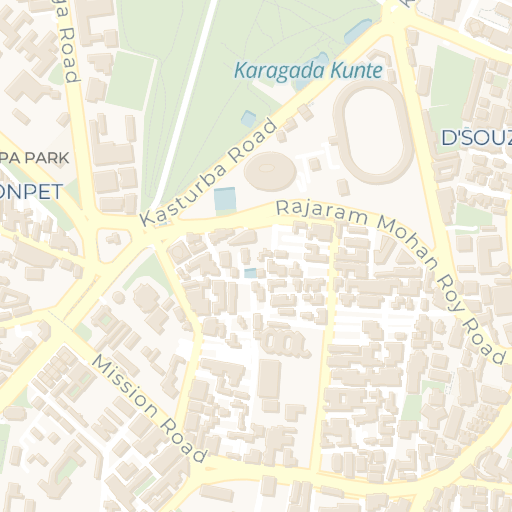

Get directions Open in Apple Maps
© OpenStreetMap contributors · © CARTO · 12.975, 77.59333
Visit responsibly
Mature trees are infrastructure as well as scenery. Keep vehicles, bicycles and large groups away from exposed roots and fenced planting beds.
The park is shared daily space. Do not block running routes, library approaches or building entrances for photographs and organised activities.
Carry food waste out and do not feed squirrels, birds or dogs. Feeding concentrates animals beside busy paths and leaves packaging behind.
Use the metro or bus where practical. Arriving without a car reduces pressure on the roads and verges that divide the landscape.
Read statues and colonial buildings as historical evidence, not as neutral decoration. Their presence belongs to the park’s layered civic history.