

Lalbagh Botanical Garden
Last updated on November 3, 2026What makes Lalbagh Botanical Garden special
Lalbagh combines three scales rarely found together in one urban garden: a long horticultural history, a broad living collection and the visible geology of the Bengaluru plateau. The Glass House is the best-known structure, but the older trees, lake and gneiss outcrop make the visit more varied than one pavilion. The garden is busiest during its flower shows, when display takes precedence over quiet observation. Outside those periods it works better as a slow circuit with time to read labels and compare planting zones.
Challenge to visitors
Skip it if you:
- expect a completely wild nature reserve
- cannot manage a broad outdoor site in heat or rain
Visiting tips and strategy
When to go
November through February is the most comfortable period for a long garden circuit. Early morning brings cooler conditions and active local use; late afternoon gives softer light but less time before closing.
Flower shows around Republic Day and Independence Day transform the Glass House area and draw the year’s largest crowds, with special tickets and routes. March through May is hotter, while monsoon rain makes stone and soil slippery but freshens the planting. Choose a weekday outside show periods for the quietest botanical visit.
What it costs
What is free
The current official tourism guidance lists free entry during designated early-morning and evening walking periods. General daytime visits and flower shows use tickets. Verify the exact window before relying on free admission.
The garden is too large for a hurried stop at every feature. Allow at least two hours, carry water and use the metro where practical. Special exhibitions bring security checks, queues and restricted movement around the Glass House.
Getting there and getting in
Admission: ₹30 · Official tourism guidance lists ₹30 standard adult daytime entry, free designated walking periods and separate flower-show tickets; verify at the gate.
Prices verified October 2026
Check whether an ordinary day or flower show is operating
Karnataka Tourism currently lists daily access, paid general daytime entry and free walking windows in the morning and evening. The Department of Horticulture can alter hours, gate arrangements and tickets, especially during flower shows.
Verified against Karnataka Tourism, October 2026.
Quick facts
- Type: Garden, Site Complex, Historic Place
- Visitor access: Open to visitors
- Admission: ₹30
- Typical visit: About 2 hours 30 minutes
- Built: Garden begun around 1760; expanded through the 19th century; Glass House 1889–1891 and 1935
- Built by: Hyder Ali, Tipu Sultan and successive Mysore horticultural administrations
- Built for: Royal garden, botanical collection, horticultural research and public recreation
- Architectural style: Layered botanical landscape with an iron-and-glass exhibition pavilion
- Size: About 240 acres (0.97 sq km)
- Garden origins: Commissioned around 1760
- Flower shows: Around Republic Day and Independence Day
Where it is

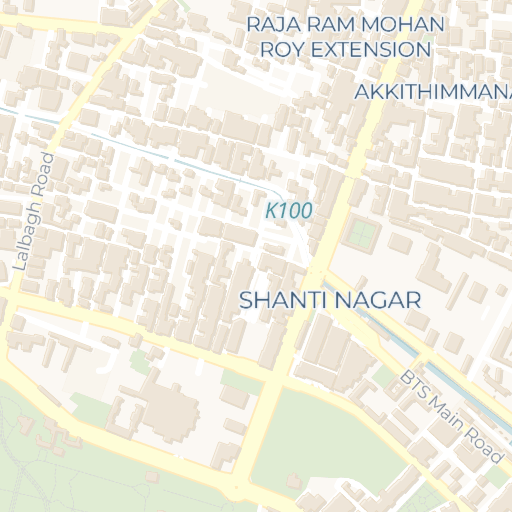
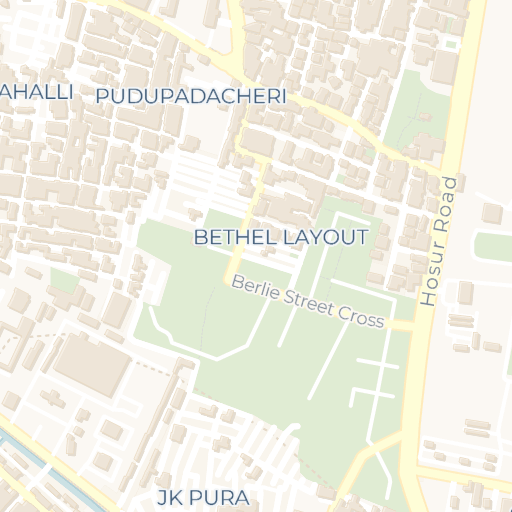
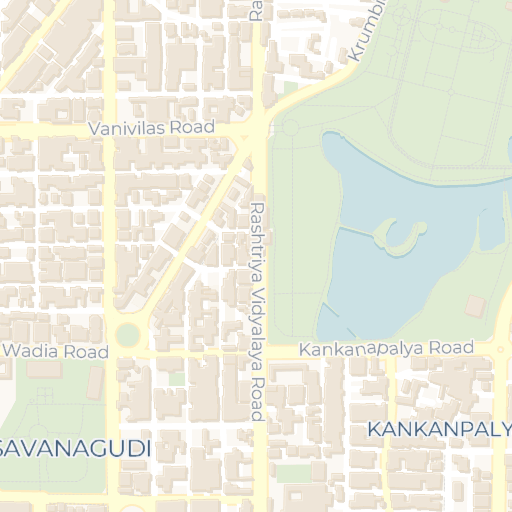
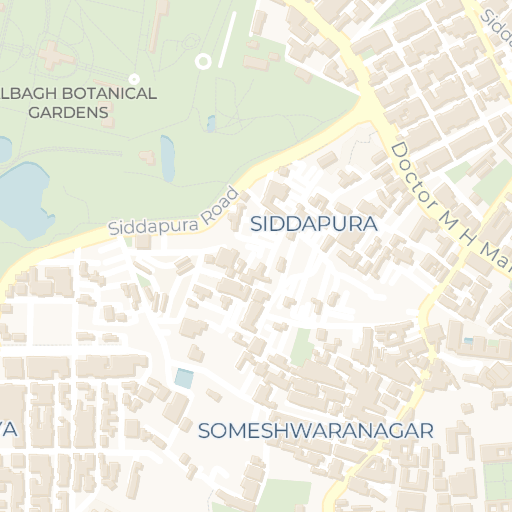
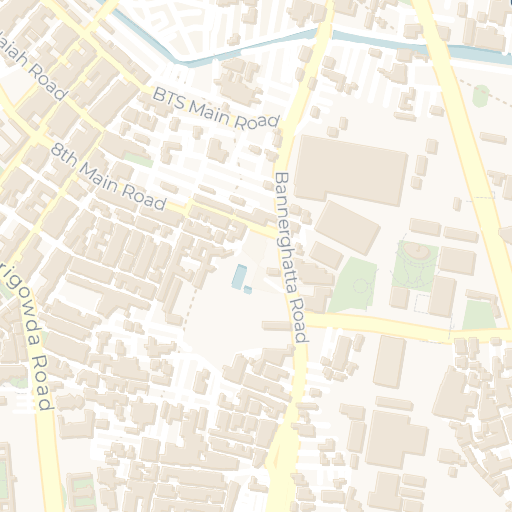
Get directions Open in Apple Maps
© OpenStreetMap contributors · © CARTO · 12.9499, 77.58714
Visit responsibly
This is a living collection. Do not pick flowers, collect seeds, enter labelled beds or touch propagation material; the value is in plants remaining where they are recorded and cared for.
Old trees are vulnerable to root compaction. Keep picnics, tripods and group gatherings on durable open ground rather than around trunks and fenced beds.
During flower shows, follow one-way routes and do not push through staff barriers for a closer photograph. Temporary crowd controls protect both people and displays.
Keep litter and food out of the lake and never feed birds or squirrels. Carry waste out when bins are full.
Arrive by metro or bus where practical. Event-period car traffic creates pressure well beyond the garden gates.