

Rao Jodha Desert Rock Park
Last updated on October 28, 2026Why visit Rao Jodha Desert Rock Park
Rao Jodha Park changes Mehrangarh from an isolated skyline into a structure rooted in geology and dry ecology. Walking below the walls reveals both the scale of the fort and the work required to restore its landscape.
Visit if you:
- want a quiet nature walk close to central Jodhpur
- are interested in native plants, geology and practical restoration
- can handle exposed rocky trails with little shade
Plan carefully if you:
- expect lush gardens, large wildlife or a guaranteed sunset viewpoint
- lack sun protection, water or shoes suitable for uneven stone
Quick facts
- Type: Nature, Scenic Route/Trail
- Visitor access: Partial access
- Reservation: Not required — tickets on the door
- Typical visit: About 1 hour 45 minutes
- Built: Restoration project created in 2006; opened to visitors in the early 2010s
- Built by: Mehrangarh Museum Trust with ecological specialists and local restoration teams
- Built for: Restoration and interpretation of native rocky-desert ecology
- Architectural style: Light-touch trail and visitor infrastructure within a restored volcanic-rock landscape
- Size: About 70 hectares (170 acres)
- Created: 2006
- Area: About 70 hectares
Visit responsibly
Stay on marked trails. Off-route walking damages slow-growing plants and can trigger erosion on shallow soil.
Do not collect rocks, seeds, flowers or plant cuttings. The nursery and restoration teams manage propagation deliberately.
Never feed wildlife or disturb animals under stones and shrubs.
Carry all waste out, avoid single-use bottles where practical and follow fire restrictions. Dry vegetation and wind can spread flame rapidly.
Where it is
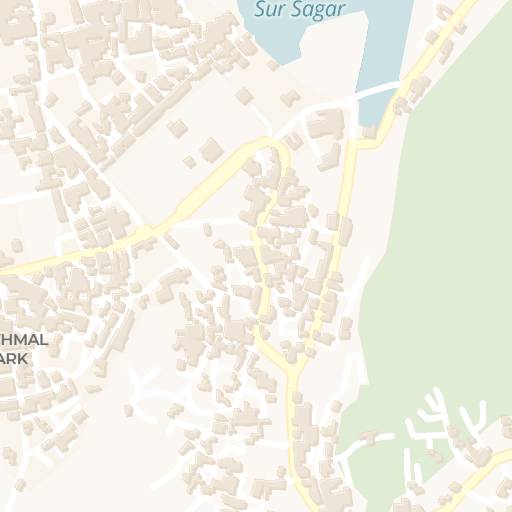

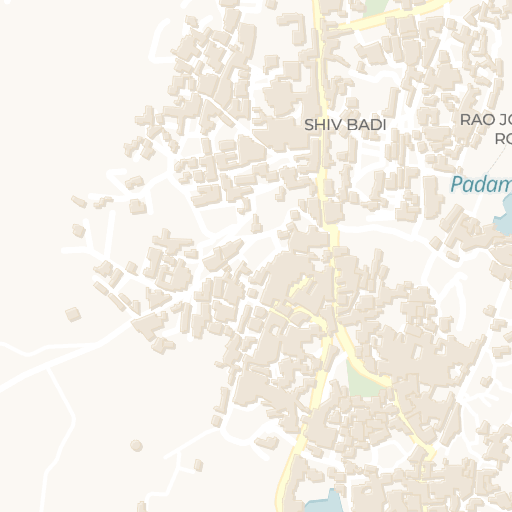
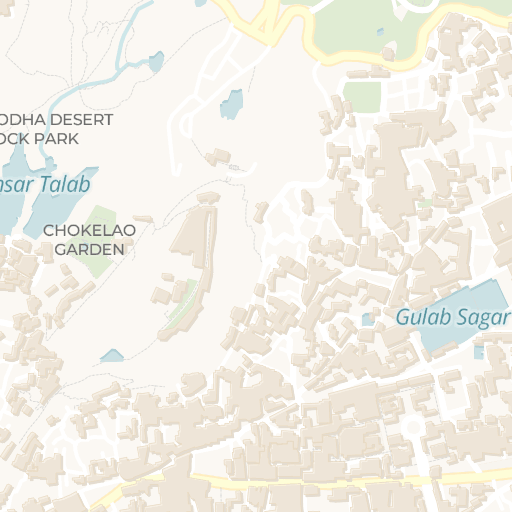
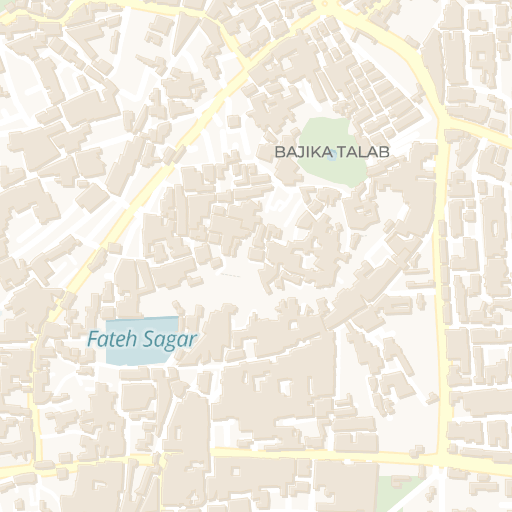
Get directions Open in Apple Maps
© OpenStreetMap contributors · © CARTO · 26.30461, 73.01685
Plan your visit
Start early and carry water
The Mehrangarh Museum Trust lists daily seasonal hours: 07:00–18:30 from April through September and 08:00–17:30 from October through March. It also lists paid entry, free admission for school students through Class 12 with ID, and an optional naturalist fee. Verify current prices and trail conditions before visiting.
Allow 90 minutes to two hours for a useful walk. The park has separate admission from Mehrangarh, and the visitor centre is about 800 metres from the fort gate.
What can be seen without admission
Parts of the rocky landscape and fort walls are visible from public roads. The interpreted trails, visitor centre and restoration areas require park entry.
Verified against Mehrangarh Museum Trust, October 2026.
When to visit
Use the operator's early opening and walk in the first two hours of the day. October through February brings the most comfortable temperatures; summer visits demand strict heat planning.
The monsoon can revive vegetation and sharpen ecological contrasts, but rain may make rock slippery or close routes. Check current conditions, carry more water than expected and turn back before heat becomes a problem.