

Campo de' Fiori Piazza
Last updated on October 4, 2026Why visit Campo de' Fiori Piazza
The draw
It is the only monumental square in the historic centre with no church on it — Turismo Roma's fact, and the key to the whole place. Rome's squares are organised around church fronts; this one is organised around a market and a scaffold. It also, the reference work notes, has never been architecturally formalized and has always remained a focus for commercial and street culture.
And the man in the middle was killed here. Giordano Bruno was burnt alive for heresy on 17 February 1600, with all of his works placed on the Index of Forbidden Books by the Holy Office. In 1889 — nineteen years after Italian troops took Rome from the papacy — Ettore Ferrari's monument went up on the exact spot of his death, and he was regarded in the first days of a reunited Italy as a martyr to freedom of thought. He stands defiantly facing the Vatican. Turismo Roma dates the unveiling to 9 June 1889 and records that the base carries the effigies of other famous heretics and the words A Bruno, il secolo da lui divinato, qui dove il rogo arse.
The friction
It is three different places in one day and two of them are not what you came for. The market runs mornings only, Monday to Saturday on Turismo Roma's account; by mid-afternoon the square is empty paving; by night it is one of the loudest drinking spots in Rome. Arriving at the wrong hour gets you a car park or a bar crawl.
The tactic
Come for the market and then stay ten minutes after it goes. Between the stalls clearing and the bars setting up there is a window when the square is empty, and it is the only time you can see what it is: an unframed rectangle with a statue of a burned man in it.
Then find the plaque in the paving. On 9 September 1553 — the first day of Rosh Hashanah — the Holy Office burned the Talmud here, following the Bragadin-Giustiniani dispute. A plaque was affixed to the marketplace street in 2011, inspired by the monument to Giordano Bruno; it quotes a Talmudic account of Rabbi Hananiah ben Teradion, burned alive wrapped in a Torah scroll, and Sha'ali Serufah ba-Esh, a lamentation by Meir of Rothenburg written after he saw wagon-loads of Talmudic manuscripts burned in Paris in 1242. It is two years before the ghetto was walled, a few minutes' walk away.
And read the street names on your way out. Balestrari — crossbow-makers. Baullari — coffer-makers. Cappellari — hat-makers. Chiavari — key-makers. Giubbonari — tailors.
Skip it if you:
- Can only come on a Sunday. Turismo Roma gives the market as Monday to Saturday.
- Are arriving mid-afternoon. The stalls have gone and the bars have not started.
- Want architecture. It has never been formalized, and that is deliberate.
Quick facts
- Type: Historic Place, Square/Plazza
- Visitor access: Open to visitors
Visit responsibly
This square is a memorial as well as a market, and the two are in the same few square metres. Giordano Bruno was burnt alive here on 17 February 1600 and the monument stands on the exact spot of his death. The Holy Office burned the Talmud here on 9 September 1553, the first day of Rosh Hashanah, and the plaque added in 2011 quotes the martyrdom of Rabbi Hananiah ben Teradion, burned alive wrapped in a Torah scroll. People eat lunch on both.
Find the plaque before you sit down. It is set into the paving of the market street, it is small, and it is routinely stood on. Knowing where it is costs nothing.
The market is a working market. Its historic wooden stalls sell flowers, fruit, meat and fish to people doing their shopping. Photographing a trader's display is not the same as buying from it, and the stalls are trading, not posing.
The evening is somebody's night. Turismo Roma's convivial and lively atmosphere at dusk happens under flats on all four sides, in a square with nothing to absorb sound.
Do not climb the monument. The granite base carries the effigies of other famous heretics and scenes from Bruno's life, and it is the point of the square, not a plinth to pose on.
Where it is
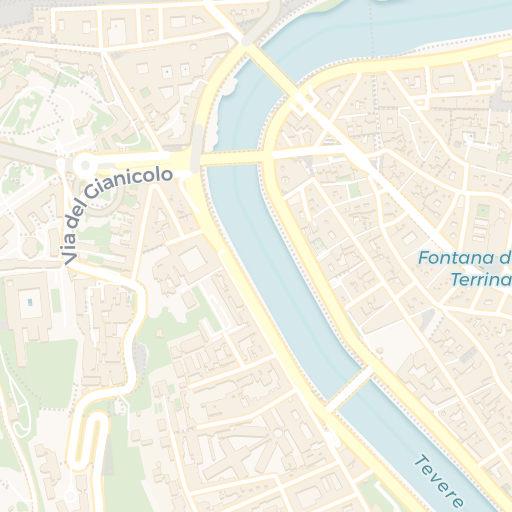
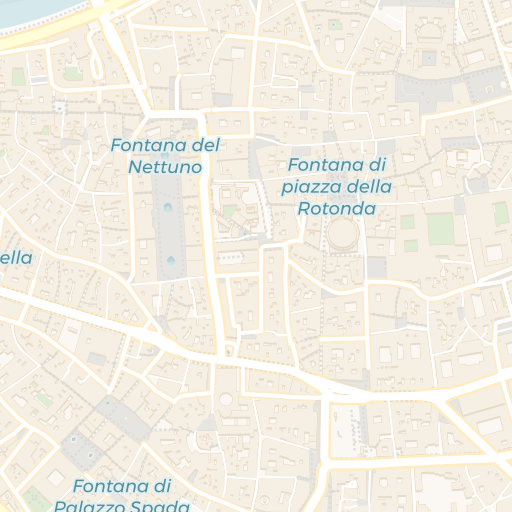
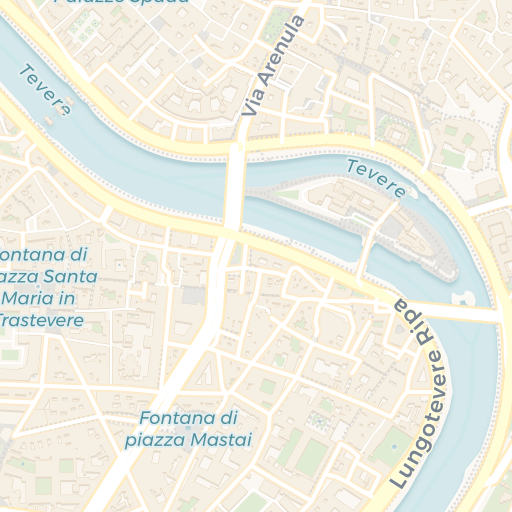
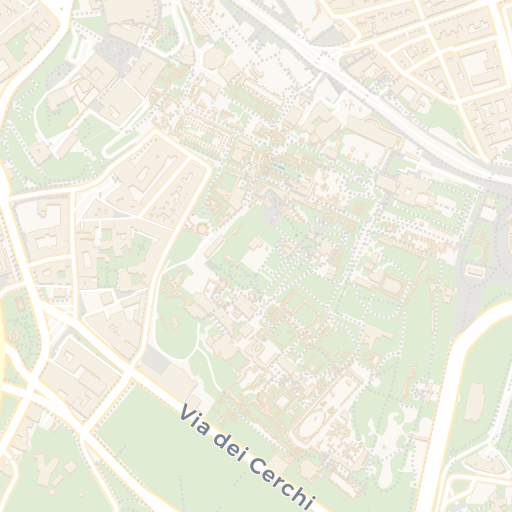
Get directions Open in Apple Maps
© OpenStreetMap contributors · © CARTO · 41.89558, 12.47216
Plan your visit
Free, open, and completely different at three times of day
Campo de' Fiori is a public square with no ticket and no gate. What changes is what is in it.
The market
Turismo Roma records that the market was placed here in 1869, having previously been held in Piazza Navona, and that it traditionally takes place every morning from Monday to Saturday. The reference work calls it a daily market — so the two sources disagree about Sunday, and the safe assumption is Turismo Roma's.
Its historic wooden stalls sell flowers, fruit, meat and fish, always fresh.
The rest of the day
Once the stalls clear, the square is empty paving until the bars set up. Turismo Roma records that at dusk the square takes on a convivial and lively atmosphere, which is a polite way of describing one of the loudest evenings in central Rome.
What is worth looking for and costs nothing
The Giordano Bruno monument, at the centre, on the exact spot of his death, with the effigies of other famous heretics on its base.
The 2011 plaque in the market street commemorating the burning of the Talmud on 9 September 1553. It is set into the paving among the stalls and is easy to walk over without noticing.
The Borgia seal on the facade of the Taverna della Vacca at the southwest corner, by Via de' Cappellari.
Cost
Nothing to be in the square. The market and the bars price themselves.
How long
Thirty minutes if the market is on; fifteen if it is not.
Verified against Turismo Roma, October 2026.
When to visit
Morning, Monday to Saturday, and the day of the week matters here more than the hour. Turismo Roma gives the market as running every morning from Monday to Saturday; the reference work calls it daily. The two disagree about Sunday, so a Sunday visit is a gamble on the less cautious source.
Stay for the ten minutes after it clears. Between the stalls going and the bars setting up, the square is briefly an empty rectangle with a statue in it, which is the only time you can see what the place actually is.
Mid-afternoon is the dead hour. Nothing is happening and the square has no architecture to fall back on — the reference work notes it has never been architecturally formalized.
Dusk is the other famous version. Turismo Roma records that at dusk the square takes on a convivial and lively atmosphere. If you want the Bruno monument without a crowd around it, this is not the hour.
And 17 February is the date. Giordano Bruno was burnt alive here on 17 February 1600, and the anniversary is marked at the monument.