

Church of the Gesù
Last updated on October 8, 2026Why visit Church of the Gesù
The draw
This is the church every Baroque church copied. The Gesù is the mother church of the Jesuits, and its façade has been called the first truly baroque façade — a model for Jesuit churches across Central Europe, the Portuguese colonies and beyond, into the twentieth century. Inside, Gaulli's Triumph of the Name of Jesus (1678–79) breaks out of its own frame and spills onto the vault in stucco and paint, and Andrea Pozzo's St Ignatius altar is the most extravagant thing in Rome that nobody queues for.
The problem when visiting
It closes for about four hours in the middle of every day, in both the winter and summer timetables, and the two timetables differ. Turning up at 14.00 is the standard mistake.
The tactic
Go in the morning or after 16.30, and check which season you are in. Winter runs from the last Sunday of September to 29 June. Allow fifty minutes, stand directly under the crossing first — the ceiling illusion only works from beneath — and it is free.
Quick facts
- Type: Church, Sacred Place, Historic Place
- Local name: Chiesa del Gesù (vedi la pagina italiana)
- Admission: Free
- Reservation: Not required — tickets on the door
- Typical visit: About 50 minutes
- Built: Begun <time datetime="1568-06-26">26 June 1568</time>, consecrated <time datetime="1584-11-25">25 November 1584</time>
- Built by: Funded by Cardinal Alessandro Farnese
- Built for: The mother church of the Society of Jesus
- Designed by: Giacomo Barozzi da Vignola and Giacomo della Porta
- Architectural style: Baroque — the façade called the first truly Baroque one
- It shuts in the middle of the day: Roughly four hours, in both the winter and summer timetables. The commonest wasted journey here.
- The famous lapis globe is mortar: Thought to be the world's largest piece of lapis lazuli. It is mortar decorated with it.
Visit responsibly
Plan around the midday closure rather than arriving and being annoyed. Roughly four hours, every day, in both seasons. The staff did not set it and cannot move it.
Dress as for any Roman church — shoulders and knees covered — and remember this is the mother church of an order with a full mass schedule, not a gallery.
Leave something. The church is free and it is four and a half centuries old. The offering boxes are how it is kept.
No flash. Gaulli's ceiling is thirty metres up; flash will not reach it and will spoil it for everyone else looking.
Go quietly at the St Ignatius chapel. It holds the saint's tomb and it is a place of pilgrimage for people who did not come for the architecture.
Spread out. Most visitors stop under the crossing and leave. The Borgia chapel, the Francis Xavier reliquary and Batoni's Sacred Heart are all worth the extra ten minutes, and they take pressure off the one spot everyone stands in.
Where it is
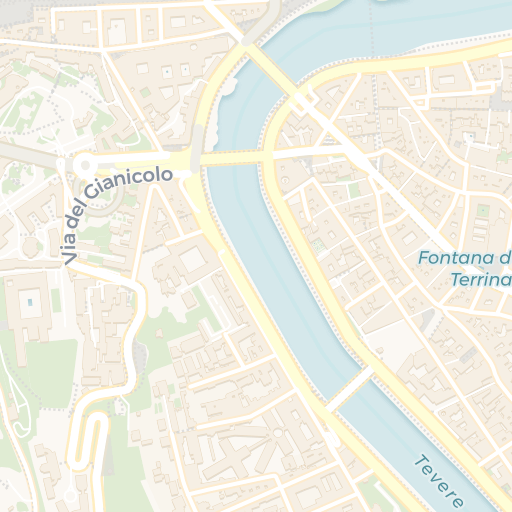
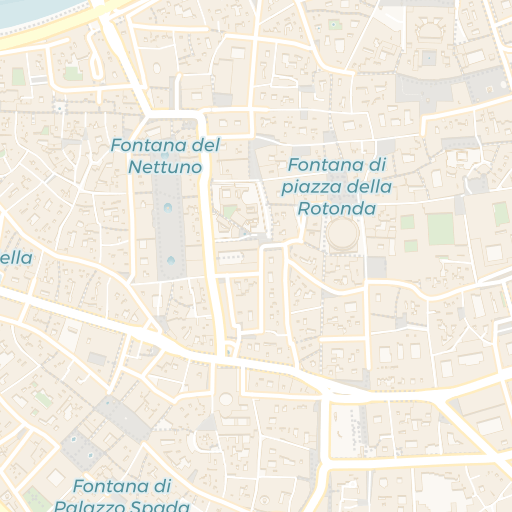
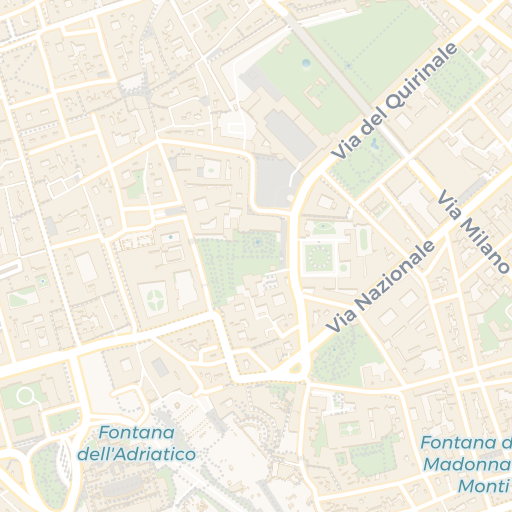
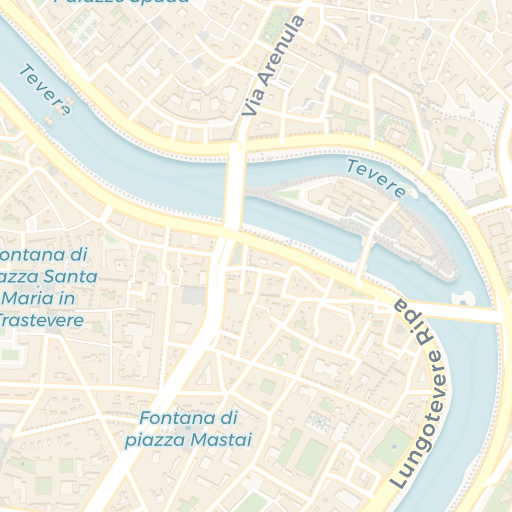
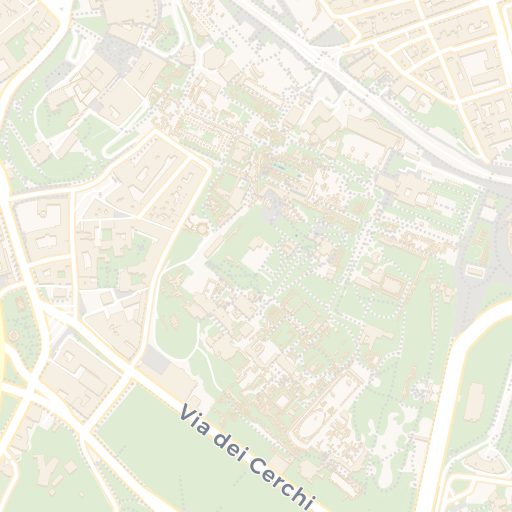
Get directions Open in Apple Maps
© OpenStreetMap contributors · © CARTO · 41.8958, 12.4797
Plan your visit
Admission: Free · Free. It is the mother church of the Society of Jesus and an active parish, not a ticketed monument.
Prices verified October 2026
Best viewpoint: Stand under the crossing and look up: Gaulli's Triumph of the Name of Jesus spills out of its frame onto the vault, and the illusion only works from directly beneath.
It is free, and it closes at lunchtime
No admission charge. But the Gesù shuts for roughly four hours in the middle of every day, and that is the single commonest way to waste the journey.
Two timetables, and you need to know which you are in
WINTER — last Sunday of September to 29 June
| Day | Open | Mass |
|---|---|---|
| Weekdays | 7.30–12.30, 16.30–19.30 | 7.45, 11.00, 12.00, 19.00 |
| Saturday | 7.30–12.30, 16.30–20.00 | as weekdays |
| Sundays & holidays | 8.30–13.30, 16.30–20.00 | 9.00, 11.00, 12.30, 19.00 |
SUMMER — 30 June to the last Saturday of September
| Day | Open | Mass |
|---|---|---|
| Weekdays | 7.30–12.00, 17.00–19.30 | 7.45, 11.00, 19.00 |
| Saturday | 7.30–12.00, 17.00–20.00 | as weekdays |
| Sundays & holidays | 8.30–12.30, 17.00–20.00 | 9.00, 11.00, 19.00 |
Note the differences. Summer mornings close half an hour earlier and afternoons open half an hour later, so the midday gap is longer in summer, not shorter. Sundays open an hour later than weekdays in both seasons.
Ticket & Pass Decision Matrix
| Option | Cost | What it gets you | Verdict |
|---|---|---|---|
| Walk in | Free | The whole church | The only option. There is nothing to buy and nothing to book. |
| Morning slot | Free | Best light into the dome | The better half of the day, and it opens at 7.30. |
| Evening slot | Free | Open until 19.30, or 20.00 on Saturdays and Sundays | Useful if the day has run away from you. |
Getting there
Piazza del Gesù, in the rione of Pigna — on the Via del Plebiscito between Piazza Venezia and Largo di Torre Argentina, which is to say directly on the route most visitors already walk.
Dress and conduct
Shoulders and knees covered. It is an active church with a full mass schedule; visiting during a service is an intrusion.
On the ground
Allow fifty minutes. Stand under the crossing first for Gaulli's ceiling, then the St Ignatius chapel in the left transept, then Francis Xavier's reliquary opposite.
Verified against Chiesa del Santissimo Nome di Gesù, October 2026.
When to visit
Morning, or after the afternoon reopening. The church is shut for about four hours in the middle of every day in both seasons, and that gap is the main thing to plan around.
Check which timetable applies. Winter runs from the last Sunday of September to 29 June; summer from 30 June to the last Saturday of September. Summer has the longer midday closure, not the shorter one — mornings end at 12.00 rather than 12.30, and afternoons start at 17.00 rather than 16.30.
Sundays start late. 8.30 rather than 7.30, in both seasons.
Bright mornings are best for the ceiling. Gaulli's fresco and the gilding need daylight through the dome windows; late on a dull afternoon the whole thing goes brown.
Avoid the mass times if you intend to look rather than attend — four services a day on winter weekdays, three in summer.