

Basilica of Saint Paul Outside the Walls
Last updated on October 4, 2026Why visit Basilica of Saint Paul Outside the Walls
The draw
It is the second biggest church in Rome and you will have it to yourself. Turismo Roma puts it plainly: one of the four papal basilicas, the second largest after Saint Peter's. The reference work adds the detail that makes it land — in the 5th century it was larger than Old Saint Peter's Basilica, and the poet Prudentius, who saw it under Honorius, describes its splendours in a few expressive lines. This was the big one. It is a metro ride beyond the Aurelian Walls, so nobody comes.
And the fire did not take everything. Three things stand that are older than the 19th-century church around them: Arnolfo di Cambio's Gothic ciborium of 1285 over the tomb, the paschal candlestick of 1170 beside it, and the apse mosaic begun under Innocent III. Seeing medieval work set into a Victorian basilica is a stranger experience than seeing either on its own.
The friction
It is out of the centre, and the cloister closes before the church does. The basilica runs 07.00–18.30; the cloister shuts at 18.00 with last entry at 17.30. Arrive late in the afternoon and you will get the big empty nave and miss the thing that is actually unique.
And most of what you are looking at is a reconstruction. The fire of 1823 took the medieval basilica; Turismo Roma credits the rebuild to Pasquale Belli and others between 1825 and 1854, while the reference work says the present building was completed in 1840.
The tactic
Pay the four euro. The basilica is free; the cloister is EUR 4.00, reduced EUR 3.00, and it is the best thing on the site. Turismo Roma calls it one of the wonders of thirteenth-century Rome: paired marble columns of differing type and form, mosaic and coloured marble inlay, and a white marble cornice of lion, ox and goat heads from whose mouths the rainwater runs. Four euro also admits you to the picture gallery, the Chapel of Relics and the exhibition rooms.
Then go down and look at the floor levels. Under Leo I the transept was raised and an altar put over Paul's tomb — probably the first time — which left the tomb untouched but largely underground. Under Gregory the Great the pavement was raised again and a new altar set above Leo's, directly over the sarcophagus. The tomb was buried twice by people trying to honour it, and the sunken confessio in front of the altar is where that becomes visible.
And find the monks' garden. Turismo Roma records that the Benedictines of the Abbey, custodians of the tomb for centuries, made a monastic garden growing herbs and trees mentioned in the Bible.
Skip it if you:
- Have one day in Rome. It is outside the walls and the four majors cannot all be done well in a day.
- Are arriving after five. The cloister stops admitting at 17.30 and it is why you came.
- Want untouched antiquity. The shell is 19th century; the medieval survivals are specific objects, not the building.
Quick facts
- Type: Building, Sacred Place, Historic Place, Church
- Visitor access: Open to visitors
- Admission: Free
- Denomination: Roman Catholic
Visit responsibly
This is a working abbey church, not a monument with services attached. The reference work records it as the conventual church of the adjacent Benedictine abbey, and Turismo Roma notes the Benedictine monks have been the custodians of the apostle's tomb for centuries. Mass is said five times a day on weekdays and confessions are heard for four and a half hours.
Keep the confessio clear and quiet. The sunken area in front of the high altar is the tomb of Saint Paul and the reason most people in the building are there. For many of them this is the end of a pilgrimage, not a stop on an itinerary.
The church is free because it chooses to be. The basilica charges nothing; the four euro for the cloister and exhibition area is what funds the conservation of a 13th-century cloister and a thousand square metres of excavated archaeology. Paying it is the straightforward way to support the place.
The territory is not Italian in the way it looks. The basilica lies within Italian territory, but the Holy See owns it and it is part of the Vatican's extraterritoriality. Security and dress rules are the Vatican's: shoulders and knees covered.
The monks' garden is a garden, not an exhibit. The herbs and trees mentioned in the Bible are cultivated by the community as part of the abbey's life.
Where it is
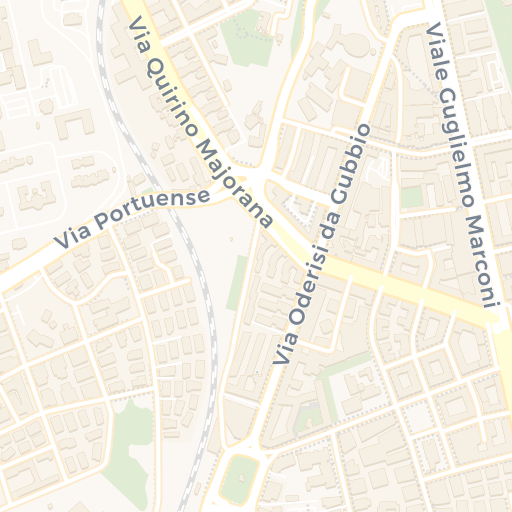
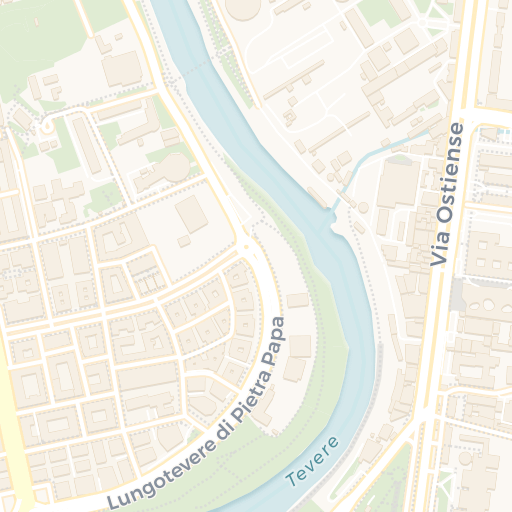
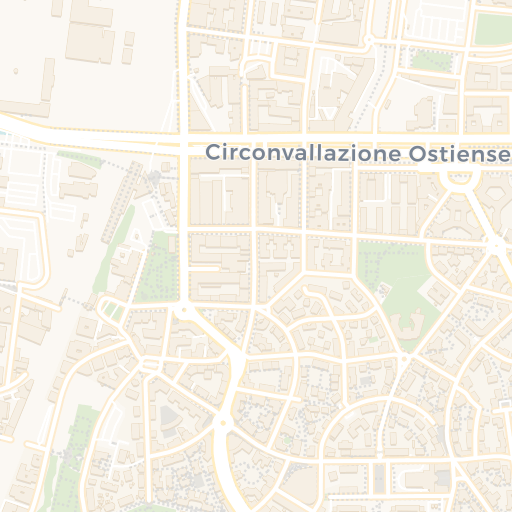
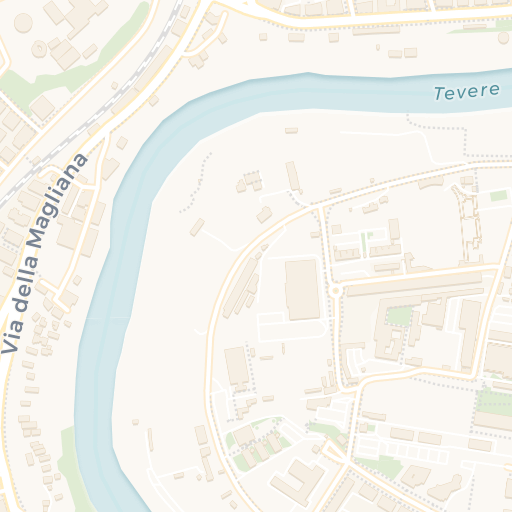
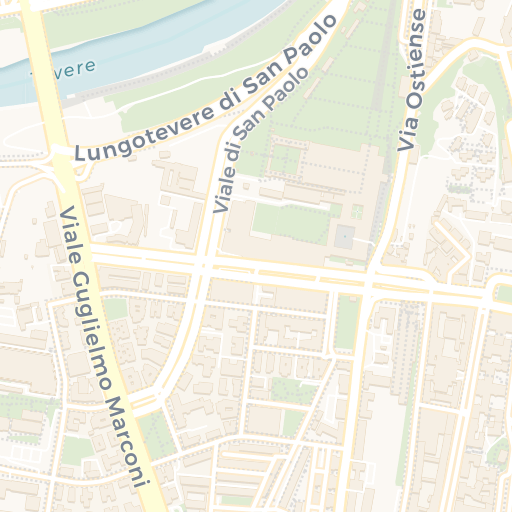
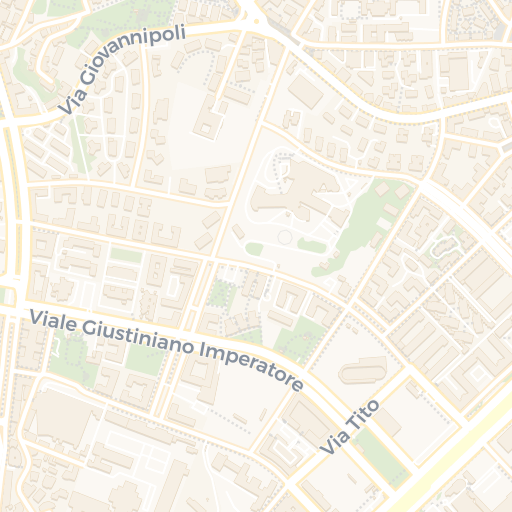
Get directions Open in Apple Maps
© OpenStreetMap contributors · © CARTO · 41.8587, 12.47678
Plan your visit
Admission: Free
The church is free. The cloister is not.
This is the distinction that decides the visit, and only the basilica publishes it.
- Basilica — open every day 07.00–18.30. Entry free.
- Cloister and archaeological area — open every day 08.00–18.00, last entry 17.30. EUR 4.00, reduced EUR 3.00.
The cloister shuts half an hour before the church and stops admitting an hour before that. If the cloister is why you are coming — and it should be — do not plan to arrive after five.
What the four euro buys
More than the cloister. The exhibition area comprises, besides the 13th-century cloister, the picture gallery, the Chapel of Relics, the exhibition gallery and other adjoining rooms, with illustrative panels and multimedia films along the route — and the archaeological area excavated from 2007, about a thousand square metres of early medieval remains.
Everything else on site
- Souvenir shop — every day 08.00–18.30
- Refreshment point — every day 08.00–18.30
- Sacristy — every day 08.00–12.00 and 16.00–18.30
- Basilica administration — 08.00–14.00, Monday to Saturday
Services
Mass is at 07.00, 10.00 and 17.00 Monday to Friday, with Vespers at 18.00; 07.00 and 10.00 on Saturday morning; First Vespers at 17.00 and Mass at 18.00 on Saturday evenings and vigils; and on Sundays and solemnities at 08.00, the conventual Mass at 10.00, then 12.00, Vespers at 17.00 and Mass at 18.00.
Confessions are heard 10.00–12.00 and 16.00–18.30.
How long
An hour and a quarter — forty minutes in the basilica, half an hour in the cloister and exhibition rooms.
Verified against Basilica Papale di San Paolo fuori le Mura, October 2026.
When to visit
Come in the morning, and come for the cloister. The basilica opens at 07.00 and the cloister at 08.00; both are at their emptiest in the first two hours, and the cloister in particular is a small shaded space that four tour groups can fill.
The hard deadline is 17.30. That is last entry to the cloister, which closes at 18.00 — half an hour before the basilica at 18.30. The commonest mistake here is arriving at six, finding the church open, and assuming everything is.
Avoid the Mass hours if you want to walk around freely — 07.00, 10.00 and 17.00 on weekdays, with the conventual Mass at 10.00 on Sundays, which is the fullest service of the week. The 10.00 slot is also when confessions begin.
Midday in summer is better here than almost anywhere else in Rome, because the building is enormous, stone-floored and largely empty, and the quadriporch outside is colonnaded on all four sides. It is one of the few major sights where the hottest hours are not the worst ones.
Allow for the journey. It is outside the Aurelian Walls, so this is a deliberate trip rather than something folded into a walk between other sights — which is also why it stays quiet.