

San Carlo alle Quattro Fontane
Last updated on October 4, 2026Why visit San Carlo alle Quattro Fontane
The draw
This is Borromini's first building, and it is still his best argument. He took the commission in 1634 under Cardinal Francesco Barberini — the reference work calls it his first independent commission — and built the church between 1638 and 1641. The dome is the reason to come: deep interlocking coffering of octagons, crosses and hexagons that diminishes in size the higher it rises, which makes a very small oval read as a deep one. Turismo Roma calls the adjoining cloister a masterpiece of harmony and proportion, on two levels and an octagonal plan.
The friction
The afternoon opening moves by three hours in summer. Weekdays 10.00-13.00, then 15.00-17.00 from October to April but 16.00-19.00 from May to September; visiting is a weekday affair, with Mass on Sundays at 11.00. And it is genuinely tiny — the church gives its own capacity as about 45 people.
The tactic
Do it with Bernini, in that order. Sant'Andrea al Quirinale is forty metres away at number 30; this is number 23. Seeing Borromini's white geometry and Bernini's gilded oval within ten minutes of each other is the single most efficient architecture lesson in Rome, and neither costs anything. Stand in the middle of the floor and look straight up before you look at anything else — the shrinking coffering only works from directly underneath.
Skip it if you:
- Are arriving between 13.00 and 15.00, or before 16.00 in summer. The midday gap is real and the summer version is longer.
- Are here at the weekend. Visiting hours are weekdays; Sunday offers Mass at 11.00 and nothing else.
- Want colour. It is white stucco and grey stone throughout. That is the point, and the point is austere.
- Need space. The church holds about 45 people by its own count. Come when you can stand still in the middle.
Quick facts
- Type: Church, Sacred Place, Historic Place
- Local name: San Carlo alle Quattro Fontane (vedi la pagina italiana)
- Visitor access: Open to visitors
- Admission: Free
- Reservation: Not required — tickets on the door
- Typical visit: About 30 minutes
- Built: Commissioned <time datetime="1634">1634</time>, built <time datetime="1638">1638</time>-<time datetime="1641">1641</time>, dedicated <time datetime="1646">1646</time>
- Built for: The Spanish Trinitarian fathers, as their church and convent
- Architectural style: Roman Baroque by Francesco Borromini: an oval dome of interlocking coffering and a serpentine facade
- Borromini's first building: His first independent commission, taken in 1634 under Cardinal Francesco Barberini.
- He never saw the front finished: The serpentine facade went up at the end of his life; its upper part was completed after his death.
Visit responsibly
It is a Trinitarian church with a working convent attached, and the cloister you walk into is their courtyard. Keep to the arcade, keep your voice down, and do not open doors off it.
Nothing here is ticketed, so nothing a visitor pays maintains a building this important. An offering is the right instinct where there is no admission desk.
The stucco is plaster and the room is narrow. The coffering begins lower than it looks and the walls curve into the walking space; a rucksack worn on the back is the usual culprit. Carry it in front.
The church holds about forty-five people, by its own count. If a group is inside, waiting five minutes in the cloister costs you nothing and gives everyone the room the dome needs.
Where it is
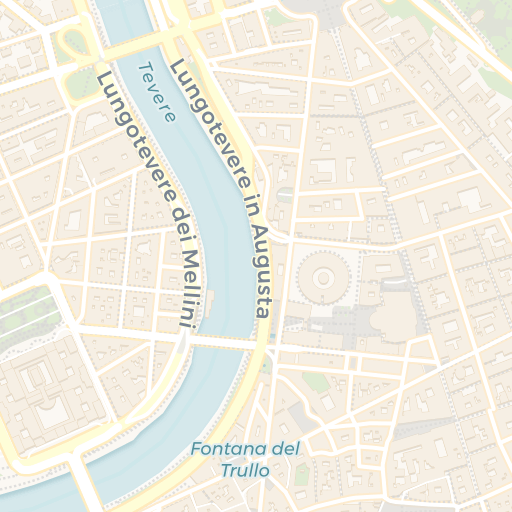
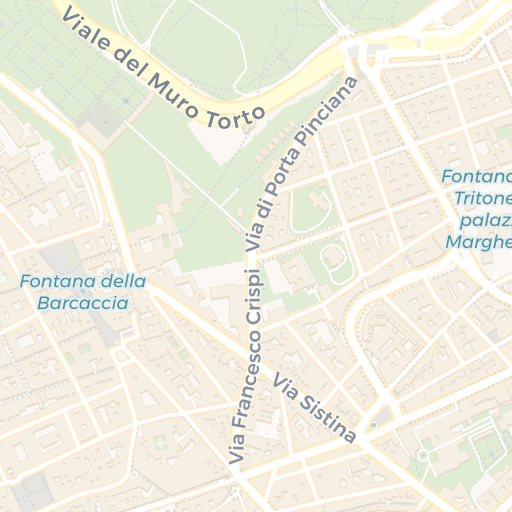
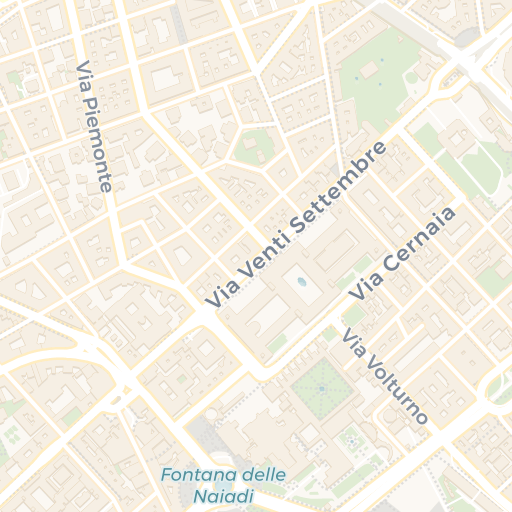
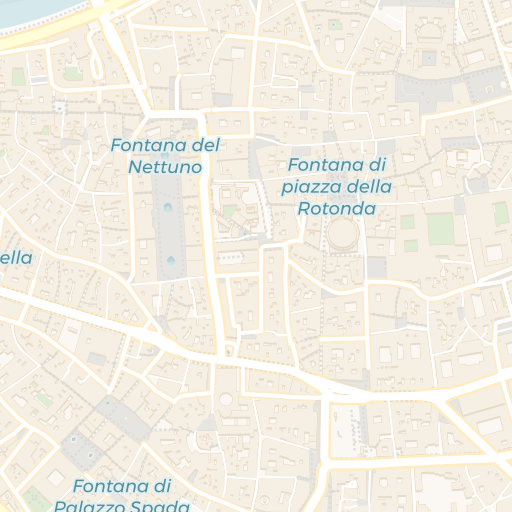
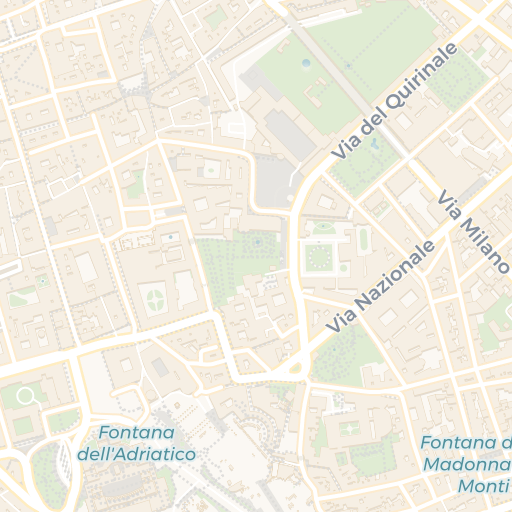
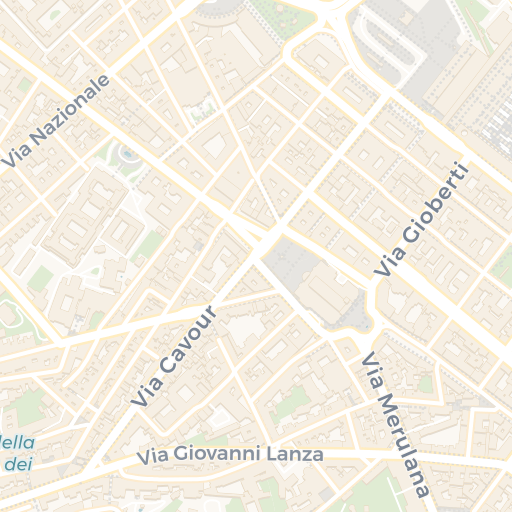
Get directions Open in Apple Maps
© OpenStreetMap contributors · © CARTO · 41.9013, 12.4903
Plan your visit
Admission: Free · FREE, and the church says so outright — "L'ingresso è gratuito", with a donation toward maintenance welcome. That covers the church, the sacristy, the cloister and the crypt.
Prices verified October 2026
Best viewpoint: The middle of the floor, looking straight up. The coffering shrinks as it rises, so the dome only performs its trick from directly underneath.
Opening hours, and the three-hour summer shift
Visiting is on weekdays.
- Morning, all year: 10.00-13.00.
- Afternoon, October to April: 15.00-17.00.
- Afternoon, May to September: 16.00-19.00.
The afternoon is the trap. Between seasons the reopening moves by an hour and the closing by two, so a summer visitor working from a winter guidebook arrives an hour early and a winter visitor arrives two hours late. Both Turismo Roma and the church's own site publish the same pair, which is worth noting in a series where the two usually disagree.
On Sundays and solemnities there is Mass at 11.00 — the church's own timetable. That is a service rather than a visiting slot, but it is not nothing if a weekday is impossible.
Groups can ask for access outside the published hours, on the same conditions, through the church's site.
Admission
Free, and the church says so outright: l'ingresso è gratuito, with a donation toward maintenance welcome. That is better than the usual silence — most churches in this series simply publish no price and leave you to infer it.
What is free
Four spaces, not one. The church names the visit as the church, the sacristy, the cloister and the crypt, and all of it is free. There is no desk, which puts one of the foundational buildings of European architecture in the same price bracket as the pavement outside. Audioguides can be downloaded to your phone from the same site, also free.
So is Bernini's Sant'Andrea, forty metres up the road, and so are the four fountains at the crossroads this church is named for. The entire Quirinal lesson costs nothing.
How long
About 30 minutes for all four spaces — most visitors see only the church and miss the cloister entirely. An hour covers this and Sant'Andrea together.
Verified against San Carlo alle Quattro Fontane (San Carlino), October 2026.
When to visit
A weekday morning, 10.00 to 13.00, in any season. That window does not move, and the morning is the only part of the timetable you can plan from a guidebook without checking which month it was written for.
Check the month before planning an afternoon. October to April the church reopens at 15.00 and shuts at 17.00; May to September it reopens at 16.00 and runs to 19.00. The summer evening is the better light — the dome is white and takes whatever comes through the lantern, so a bright late afternoon lifts the whole room.
Visiting is a weekday affair. Neither source publishes Saturday or Sunday visiting hours; the church's own timetable offers Mass on Sundays and solemnities at 11.00.