

San Luigi dei Francesi
Last updated on October 4, 2026Why visit San Luigi dei Francesi
The draw
Three Caravaggios, in the room they were painted for, for nothing. The Borghese and the Vatican charge for theirs and put you in a timed queue. Here you walk in off the street. The parish puts it plainly: it is a church, so it is free, and no ticket is required.
And the chapel is where his career turns. The parish records that Caravaggio got the commission for the Calling and the Martyrdom in 1600, through his friendships in pro-French circles, and that this first large commission for religious subjects was the principal turning point of his career — the moment he proved he could do this kind of painting at all. Before it he had been painting still lifes, genre scenes and portraits for Cardinal del Monte. The parish, which has no reason to be literary about him, writes that the chiaroscuro was more than a pictorial manner — it could be the reflection of his own spiritual search, matching the chiaroscuro life he led between the salons of princes and street brawls.
The friction
The hours are short, split, and have a trapdoor in them. The church shuts over the middle of the day, opens late on Sundays, and — the detail that catches people — is closed on the morning of every first Wednesday of the month. The parish also warns that because this is above all a place dedicated to prayer, the hours may change for particular celebrations. There is no ticket to check and therefore no ticket page to warn you.
And the chapel is small and everyone is in it.
The tactic
Bring headphones and use the parish's own audio tour. It covers the church and the Caravaggios, runs on an ordinary internet-connected smartphone, needs no application installed, and is reached by scanning a QR code as you come in. It is free, it is the owner's own account of the paintings, and almost nobody uses it.
Then go and look at the Polet Chapel, which has frescoes by Domenichino of the Histories of Saint Cecilia and is usually deserted. Twenty people will be shoulder to shoulder at the Contarelli Chapel and you will have a complete fresco cycle to yourself a few metres away.
Groups can ask for a priest. The parish states that groups may ask a member of the community of priests to show them round during opening hours, and that private visits outside opening hours can be arranged on request.
Skip it if you:
- Only have the middle of the day free. It is shut from early afternoon on weekdays and most of Sunday morning.
- Need to be certain it will be open. The parish reserves the right to change hours for celebrations, and does.
- Dislike looking at paintings in a crowd. One small chapel holds all the visitors in the building.
Quick facts
- Type: Building, Sacred Place, Historic Place, Church
- Visitor access: Open to visitors
- Admission: Free
- Denomination: Roman Catholic
Visit responsibly
This is a working parish, not a gallery that happens to have pews. The parish describes the church as above all a place dedicated to prayer, and says in the same breath that this is why visiting hours can change. People are praying in the nave while you are looking at the chapel.
Free entry is a decision, not an oversight. The parish states plainly that because it is a church there is no charge and no ticket. Three Caravaggios are kept accessible to anyone who walks in off the street, by an institution that could reasonably charge for them. Treating that as a free attraction rather than a gift is the error to avoid — leave something in the box.
The church belongs to the French establishment in Rome. The Pieux Établissements de la France à Rome et à Lorette is responsible for the five French churches in the city, governed by an administrative deputy named by the French Ambassador to the Holy See. It is also the national church in Rome of France and holds French national celebrations.
Keep the chapel moving. One small space holds every visitor in the building. Look, step back, let the next person in — and use the free audio tour from a few metres away rather than reading it standing in the one spot everyone needs.
Ordinary church manners. Covered shoulders and knees, quiet, and nothing during a service.
Where it is
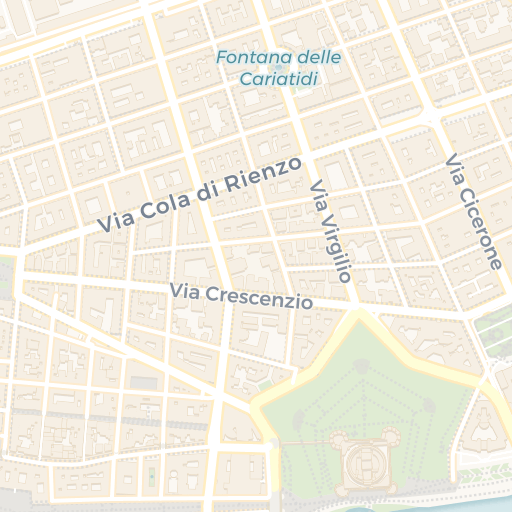
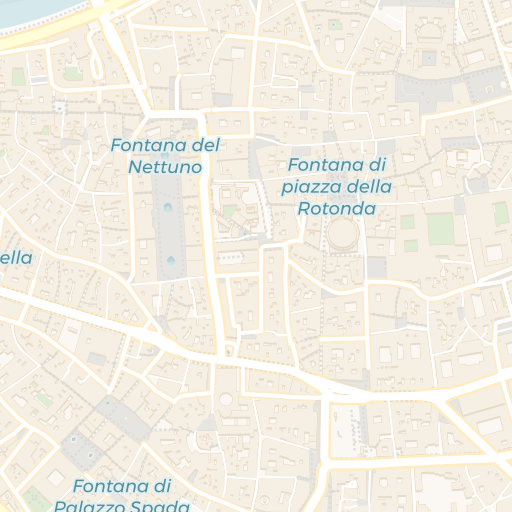
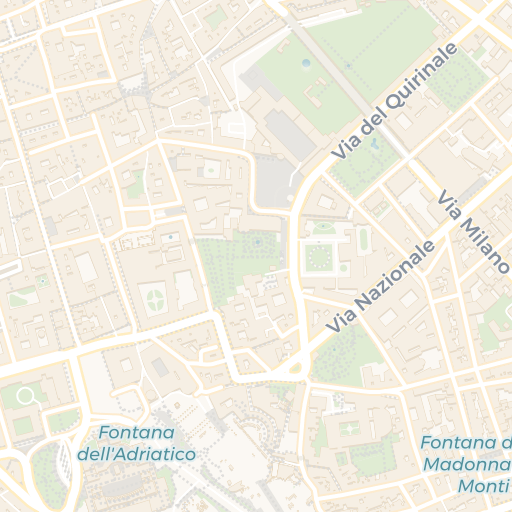
Get directions Open in Apple Maps
© OpenStreetMap contributors · © CARTO · 41.89959, 12.47454
Plan your visit
Admission: Free
Free, and with no ticket to lose
The parish states it without qualification: it is a church, so entry is not charged for and no ticket is required. That covers the Caravaggios.
Hours
The parish publishes:
- Monday to Friday — 09.30–12.45 and 14.30–18.15
- Saturday — 09.30–12.00 and 14.30–18.30
- Sunday — 12.00–12.45 and 14.30–18.30
And the one that catches people out: the church is closed on the morning of every first Wednesday of the month.
The parish also warns that, the church being above all a place dedicated to prayer, these hours may be changed in the event of particular celebrations. There is no booking system to tell you, so check the parish's page on the day if the visit is the point of your morning.
The audio tour is free and almost unused
A tour of the church and the Caravaggios runs on an ordinary internet-connected smartphone with your own headphones. There is no application to install: you scan the QR code as you enter, or go to the address directly. Bring headphones — it is the difference between looking at three dark paintings and understanding them.
Guided visits
The parish states that groups may ask a member of the community of priests to show them round during opening hours, and that private visits outside opening hours can be requested by contacting the parish.
How long
Thirty to forty minutes — twenty of them in front of three paintings, and ten in the chapel nobody else is in.
Verified against Saint-Louis-des-Français, Rome, October 2026.
When to visit
Weekday mornings, shortly after it opens at 09.30. The church takes its crowd in a single small chapel, so the difference between arriving at half past nine and arriving at noon is the difference between standing in front of the Calling and standing behind four people photographing it.
Check which Wednesday it is. The parish closes the church on the morning of every first Wednesday of the month. It is the one scheduling detail here that will actually cost you a visit, and it is published nowhere a visitor usually looks.
Sunday is the awkward day. Visiting does not begin until 12.00, and then only until 12.45 before the afternoon opening at 14.30. Saturday is better: 09.30–12.00 and 14.30–18.30.
Late afternoon is the quiet second window. The church is open until 18.15 on weekdays and 18.30 at weekends, and the last hour is reliably emptier than the first.
Treat any published hour as provisional. The parish is explicit that this is above all a place dedicated to prayer and that the hours may be changed in case of particular celebrations — which is a reason to come early in the day rather than count on the end of it.