

San Pietro in Montorio and the Tempietto
Last updated on October 6, 2026Why visit San Pietro in Montorio and the Tempietto
The draw
It is the building architects come to Rome for, and it is free. The Tempietto is a martyrium designed by Donato Bramante and completed around 1502 for the cloister of San Pietro in Montorio, to commemorate the site traditionally regarded as the location of Saint Peter's crucifixion. It was commissioned by Ferdinand II of Aragon and Isabella I of Castile, and it is considered a masterpiece of High Renaissance architecture for the harmony of its proportions. It is also tiny — a circle of slender Tuscan columns about the size of a room. The church beside it holds Sebastiano del Piombo's Flagellation and Transfiguration and a chapel designed by Bernini.
The problem when visiting
Getting the day wrong. The complex is open Tuesday to Sunday only — closed Mondays — from 10.00 to 18.00, with last admission at 17.30. And the hours are published by the Real Academia de España, the Spanish state academy that occupies the building: Turismo Roma has no page for this site at all, so the usual sources are silent and guidebook hours are guesses. It is also up the Janiculum, which is a climb.
The tactic
Go on a weekday that is not Monday, before 17.30, and allow for the hill. Entry is completely free and there is nothing to book. Once in the courtyard, walk right round the Tempietto — it is designed to be seen whole from every side, and the courtyard is only just large enough to allow it. Then go into the church for the Sebastiano del Piombo and the Raimondi Chapel. There is an accessible route, created by the Academia in December 2015.
Skip it if you:
- Are in Rome on a Monday. It is closed, and no other source will tell you so.
- Arrive after 17.30. Last admission is half an hour before closing; the gate shuts on you.
- Do not care about architecture as architecture. This is a small circular building in a yard. If proportion, order and the idea of a centrally planned temple do nothing for you, it is twenty minutes of nothing.
- Cannot face the Janiculum. It is a genuine climb from Trastevere, and the reward is one small building.
Quick facts
- Type: Church, Sacred Place, Historic Place, Monument
- Local name: San Pietro in Montorio e il Tempietto (vedi la pagina italiana)
- Visitor access: Open to visitors
- Admission: Free
- Reservation: Not required — tickets on the door
- Typical visit: About 45 minutes
- Built: Church consecrated <time datetime="1500">1500</time>; Tempietto completed <span class="timeline-date">c. 1502</span>
- Built for: A shrine marking the supposed site of St Peter's crucifixion
- Architectural style: High Renaissance — Bramante's circular martyrium
- The first building of the High Renaissance: Bramante's Tempietto, c. 1502, a martyrium the size of a room — and free.
- Closed Mondays, last entry 17.30: Tuesday to Sunday 10.00–18.00, published by the Spanish Academy, not the city.
Visit responsibly
It is a working academy, not a museum. The Real Academia de España houses artists and researchers in residence. The courtyard is opened to the public as a courtesy of an institution whose main job is something else.
Respect the hours exactly. Last admission is 17.30 for a reason — staff close the complex at 18.00. Arriving at 17.55 and asking for five minutes is asking someone to work late for you.
Do not touch the Tempietto. It is a five-hundred-year-old building the size of a room, standing within arm's reach on all sides, with no barrier doing the work that distance does elsewhere.
Keep your voice down in the courtyard. It is enclosed on four sides by residential and working rooms of the Academia.
Use the accessible route if you need it, and leave it clear if you do not. The itinerary created in December 2015 exists precisely so that the complex is usable by people who cannot manage the ordinary way in.
Spend money in Trastevere below rather than here. There is nothing to buy on the Janiculum and nothing to pay for at the site; the neighbourhood at the bottom of the hill is where a visit can actually leave something behind.
Where it is
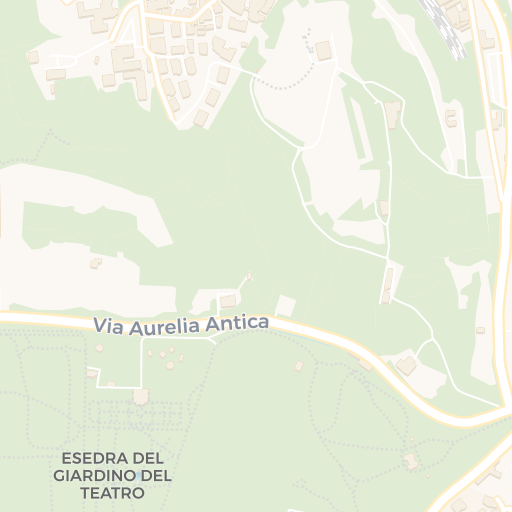
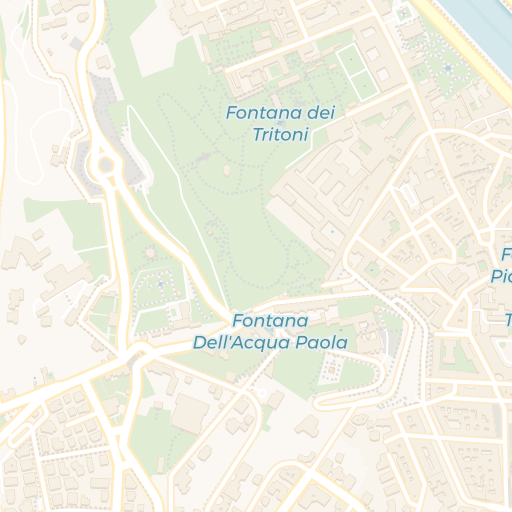
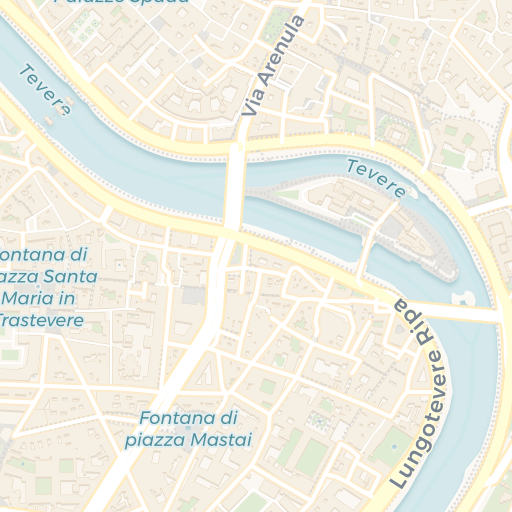
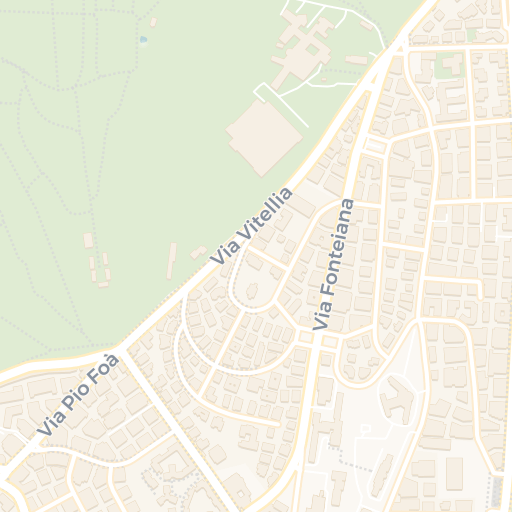
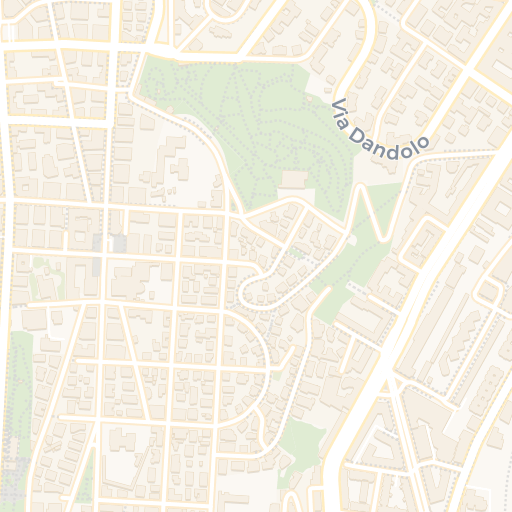
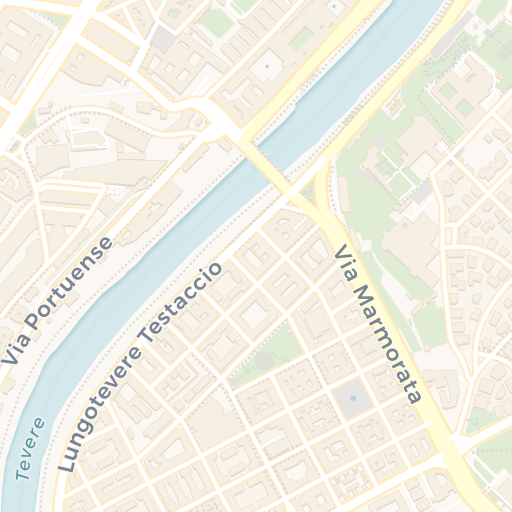
Get directions Open in Apple Maps
© OpenStreetMap contributors · © CARTO · 41.8884, 12.4664
Plan your visit
Admission: Free · FREE. The Real Academia de España en Roma, which occupies the complex and controls access to the courtyard, states that entry is completely free. There is no ticket and nothing to book.
Prices verified October 2026
Best viewpoint: Square on to the Tempietto from the far side of the courtyard, as far back as the walls allow. It is a building designed to be walked around and seen whole, and the courtyard is only just big enough to let you do it — which is itself the point, because Bramante meant the space around it to be much larger.
Hours, and who publishes them
Open Tuesday to Sunday, 10.00 to 18.00, with last admission at 17.30. So it is closed on Mondays, and arriving at 17.40 means not getting in.
These hours come from the Real Academia de España en Roma, the Spanish state academy that occupies the complex and opens and closes it. That matters because Turismo Roma has no page for this site at all — the city portal, which is the fallback for nearly every other monument in Rome, is simply silent here. Any hours you find elsewhere are somebody's copy of somebody's guess.
What it costs
Nothing. The Academia states that entry is completely free. There is no ticket desk and nothing to book.
Ticket & Pass Decision Matrix
| Option | Cost | What it gets you | Verdict |
|---|---|---|---|
| Walk in, Tue–Sun | Free | The Tempietto in its courtyard, and the church | The only option, and the correct one. Just not on a Monday, and not after 17.30. |
| Combine with the Janiculum walk | Free | The terrace, the view over Rome, the Fontana dell'Acqua Paola | The natural pairing. You are climbing the hill anyway; make the hill the point and the Tempietto the reward. |
| Combine with Trastevere below | Free | Santa Maria in Trastevere, and dinner | The obvious descent. Come down the hill rather than up it if you can arrange the day that way. |
How to look at the Tempietto
Walk the whole way round it. It is a centrally planned building with no principal façade; seeing it from one side is seeing a third of it. The courtyard is barely large enough, which is itself informative — Bramante planned concentric colonnades around it that were never built.
Then look at the order. The columns are Tuscan, a form of the Doric and the plainest option available. For the most influential small building of the Renaissance that is a deliberate choice, not a budget.
Then go into the church. Sebastiano del Piombo's Flagellation and Transfiguration are in the first chapel on the right, Bernini's Raimondi Chapel is second on the left, and Beatrice Cenci is said to lie under the high altar with no marker.
Getting there
Piazza di San Pietro in Montorio 3, 00153 Roma, on the Janiculum above Trastevere. Email info@accademiaspagna.org. It is a real climb from the river; buses run up the hill.
Accessibility
There is a published accessible route, which is rare in Rome. Since December 2015 the Real Academia de España has provided a new itinerary through the complex, describing it as a first step in eliminating architectural barriers, and stating that access to the enjoyment of cultural heritage is a right of all citizens. The Academia says it has begun a process of gradually adapting the premises to different abilities. Ask at the entrance or email ahead.
Verified against Real Academia de España en Roma, October 2026.
When to visit
Not Monday. The complex is open Tuesday to Sunday only, and this is the single most important thing to know about visiting it.
Not after 17.30. Closing is 18.00 but last admission is 17.30, so the final half hour is not usable.
Late afternoon is the best light. The Tempietto sits in an enclosed courtyard, so it is in shade for much of the day; low sun reaches it from the west and models the columns. Dusk, when the interior is lit, is the best it looks.
Spring and autumn for the climb. The Janiculum is a real ascent from Trastevere, and doing it in an August afternoon is the main reason people arrive at this building unable to care about it.
It is never crowded. That is the quiet advantage of a free site the city portal does not list: the people here are mostly architects and students, and there are not many of them.