

Sant'Ignazio di Loyola
Last updated on October 5, 2026Why visit Sant'Ignazio di Loyola
The draw
A dome that is not there. Andrea Pozzo painted a false dome on a canvas 13 metres in diameter at the crossing, and from one marked spot on the floor it is an entirely convincing cupola. It is the best-known optical illusion in Roman architecture and it costs nothing to stand under.
And a vault that goes further. Pozzo's Ascent of St Ignatius into Paradise runs the length of the nave, carrying the real architecture upward into painted architecture and then into sky.
It is also open until 23.30 — which means you can see it after dinner, lit, with almost nobody in it.
The friction
- The illusion only works from one place. Off the disc, the painted architecture visibly skews.
- What you are looking at is an 1823 reproduction. Pozzo's original canvas of 1685 was destroyed by fire; Francesco Manno reproduced it from Pozzo's drawings.
- Mass interrupts visiting at 18.30 daily and at 11.30 and 18.30 on Sundays and feast days.
The tactic
Find the disc before you look up. There is a marble marker set into the nave floor beneath the crossing. Stand on it, then step off it — seeing the illusion fail is more instructive than seeing it work.
Come in the evening. The church is open to 23.30, which is hours later than almost anything else in Rome, and after dark the painted sky has no real daylight competing with it.
Pair it with the Gesù. That church's façade is the model this one copies, and the two are a short walk apart — the pair shows you the Jesuit plan invented and then repeated.
Avoid 18.30 unless you are coming for the mass. Daily mass is at that hour, and 11.30 as well on Sundays and feast days.
Skip it if you:
- Cannot comfortably look straight up for a sustained period. Everything here is overhead.
- Want original Baroque paint throughout. The headline ceiling is a nineteenth-century reproduction.
- Are arriving at 18.30. You will meet a service, not a visit.
Quick facts
- Type: Church, Sacred Place, Historic Place
- Local name: Chiesa di Sant'Ignazio di Loyola in Campo Marzio (vedi la pagina italiana)
- Built: Nave vault by Pozzo; false dome completed <time datetime="1685">1685</time>, reproduced <time datetime="1823">1823</time>
- Built by: At the expense of Cardinal Ludovico Ludovisi, nephew of Gregory XV
- Built for: The Jesuit church of the Roman College
- Designed by: The Jesuit mathematician Orazio Grassi, on projects by Carlo Maderno and others
- Architectural style: Baroque, its façade modelled on the nearby Gesù
- The false dome you see is an 1823 copy: Pozzo finished the original canvas in 1685. Fire destroyed it, and Francesco Manno reproduced it faithfully from Pozzo's own drawings.
- It is open until 23.30: Turismo Roma publishes the opening as 9.00 to 23.30, every day — almost unheard of for a Roman church.
Visit responsibly
It is a working Jesuit church with a daily service. Mass is at 18.30 every day, and at 11.30 and 18.30 on Sundays and feast days; during those hours the building is not available for sightseeing.
The attraction is a painted canvas, not stone. The false dome is a canvas 13 metres across — a textile surface, already lost once to fire, hanging over an open crossing.
The viewing disc is a shared spot and a small one. The illusion only works from that one marker, so everybody wants the same square metre of floor. Take the look and move off it.
Keep the late opening worth having. A church open to 23.30 is a gift from the community that runs it, and quiet behaviour late in the evening is what keeps those hours possible.
Photograph upward, not at people. Everything worth recording here is on the ceiling, which conveniently avoids the worshippers below it.
Where it is
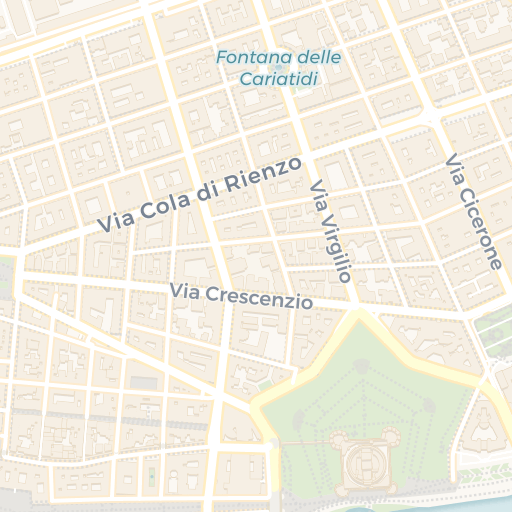
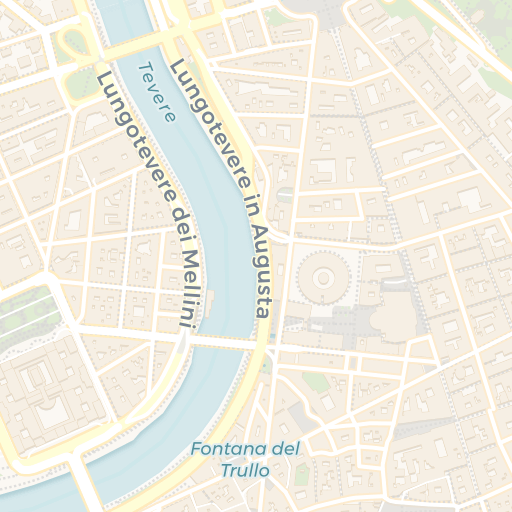
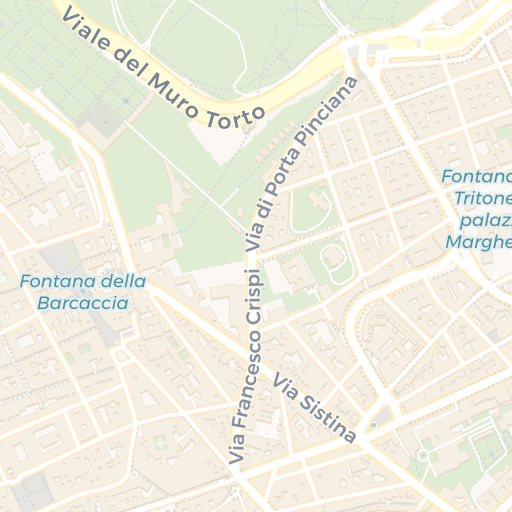
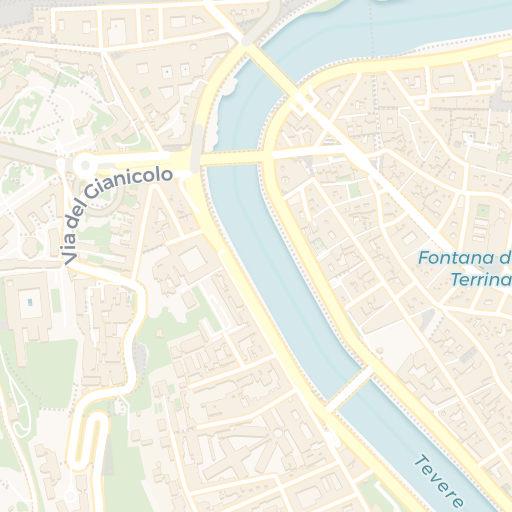
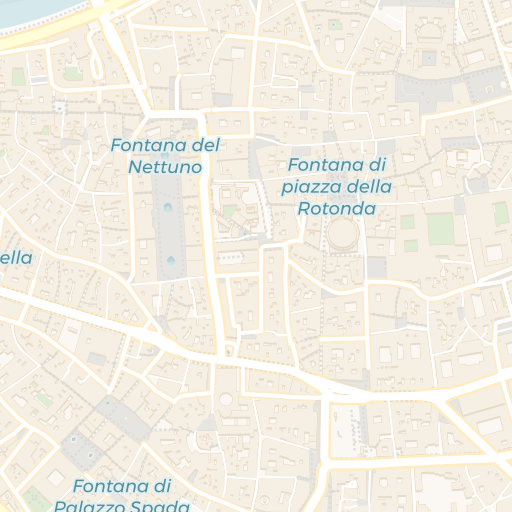
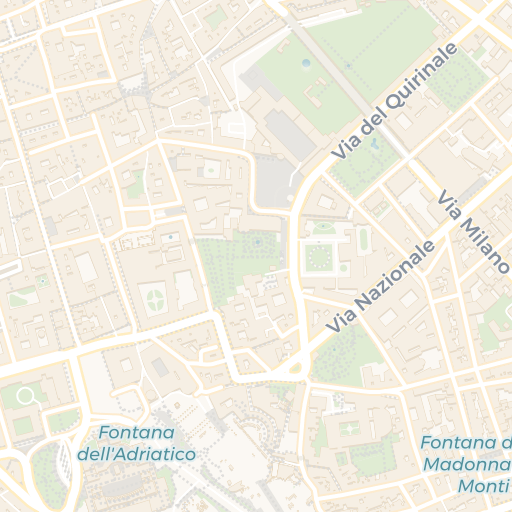
Get directions Open in Apple Maps
© OpenStreetMap contributors · © CARTO · 41.8994, 12.4798
Plan your visit
It is free, and it is open later than almost anything else in Rome
Sant'Ignazio is an active Jesuit church, not a ticketed monument: there is no admission charge and nothing to book.
Hours
Turismo Roma publishes the opening as Monday to Sunday, 9.00 to 23.30. That is an unusually long day for a Roman church and it is the single most useful practical fact about the place.
Mass is at 18.30 from Monday to Saturday, and at 11.30 and 18.30 on Sundays and feast days. Visiting gives way to the service at those times.
Note which source says what. The parish publishes mass times and no opening hours at all; the city publishes the opening. If the two ever disagree, the parish is the one standing at the door.
Ticket & Pass Decision Matrix
| Option | Cost | When | Booking | Verdict |
|---|---|---|---|---|
| Walking in | Free | 9.00–23.30 daily | None | This is the visit. The ceiling costs nothing. |
| Coming after dinner | Free | Up to 23.30 | None | Lit, quiet, and with no daylight competing with the painted sky. The best way to see it. |
| Attending mass | Free | 18.30 daily; 11.30 and 18.30 Sundays and feasts | None | A service, not a visit — and the church is not available for sightseeing during it. |
| Pairing with the Gesù | Free | Both churches' own hours | None | The façade here copies that one. Seeing both makes the Jesuit plan legible. |
One thing to know before you look up
The false dome is not Pozzo's canvas. His original, completed in 1685, was destroyed by a fire; what hangs there is Francesco Manno's reproduction of 1823, made from Pozzo's own drawings and studies.
Verified against Turismo Roma, October 2026.
When to visit
In the evening, which almost nowhere else in Rome allows. The city publishes the opening to 23.30 daily — so this is a church you can visit after dinner, lit, with the painted sky unopposed by daylight.
Not at 18.30, unless you want the mass. That is the daily service hour, and on Sundays and feast days there is 11.30 as well.
Any season. Everything here is interior and overhead, so weather is irrelevant and winter — when the evenings start early — suits the late opening particularly well.
Midday if you want the marbles. The polychromy of the marbles and the stuccoes read best with daylight coming through the nave windows; the ceiling reads best without it. The two halves of this church want opposite hours.
Allow thirty minutes, most of it spent standing still and looking up.