

Santa Maria della Vittoria
Last updated on October 2, 2026Why visit Santa Maria della Vittoria
The draw
Bernini's Ecstasy of Saint Teresa, and nobody takes a ticket. The Cornaro Chapel was commissioned from Gian Lorenzo Bernini by Cardinal Federico Cornaro, and the sculpture — marble and gilded bronze, executed between 1647 and 1652 — shows the moment Saint Teresa of Ávila described in her autobiography, when she had the vivid vision of a Seraph piercing her heart with a golden shaft. It is among the most celebrated works of all Baroque sculpture, and it is in a working Carmelite church on a street most visitors never walk down.
The problem when visiting
The church is open longer than it can be visited, and the two schedules are published separately. It unlocks at 6.45 but visiting does not start until 8.00; it stays open until 19.00 but visiting stops at 18.00. The Carmelites state in capitals that during celebrations and prayers visits are not permitted, and Tuesday and Thursday evenings are given to Eucharistic adoration inside that gap. Turismo Roma publishes no hours at all, so a timetable copied from the usual places will be wrong.
The tactic
Go between 8.00 and 12.00, or 16.00 and 18.00, and bring coins. Those are the published visiting windows, and the morning one is longest and quietest. Stand dead centre of the chapel and as far back as the nave allows: Bernini built the group into an aedicule with gilded rays behind it, and from the side it reads as a heap of white marble. The chapel light is a coin box.
Skip it if you:
- Can only come at 7.00 or after 18.00. The doors may be open and you still will not be allowed to look round.
- Are arriving on a Tuesday or Thursday evening. Adoration runs 18.00–19.00 and 18.30–19.00; visits are not permitted during prayers.
- Want more than one thing from a church. This is essentially a single-object visit. Thirty minutes is generous.
- Dislike being alone in a quiet church with a coin-operated light. There is no desk, no guide and nobody to ask.
Quick facts
- Type: Church, Sacred Place, Historic Place
- Local name: Santa Maria della Vittoria (vedi la pagina italiana)
- Visitor access: Open to visitors
- Admission: Free
- Reservation: Not required — tickets on the door
- Typical visit: About 30 minutes
- Built: Built <time datetime="1608">1608</time>–<time datetime="1620">1620</time>; façade <time datetime="1624">1624</time>–<time datetime="1626">1626</time>
- Built for: A Discalced Carmelite conventual church
- Architectural style: Baroque, by Carlo Maderno with a façade by Giovanni Battista Soria
- Bernini's Ecstasy, free to see: Marble and gilded bronze, executed between 1647 and 1652, in the Cornaro Chapel.
- Open ≠ visitable: The church opens at 6.45 but visits run 8.00–12.00 and 16.00–18.00 only.
Visit responsibly
It is a convent church, and the rule is published in capitals. The Carmelites state that during celebrations and prayers visits are not permitted. That is not a formality to be weighed against your schedule — it is the condition on which a community lets strangers walk into the building it prays in.
Learn the two timetables before you come. Turning up at 7.15 or 18.30 because the door is open puts a visitor inside a service. The visiting hours are 8.00–12.00 and 16.00–18.00, and they are published precisely so this does not happen.
Feed the light box. A church with no admission charge pays for the lighting and conservation of a world-famous sculpture out of coins. Put in more than one.
No flash. White marble and gilded bronze in a dim chapel is exactly the situation where flash both ruins the photograph and does the damage.
Keep your voice down and keep moving. The chapel holds a handful of people. Standing in the centre is the right way to see it; standing there for twenty minutes is not.
Then leave the street alone. Via XX Settembre is a working government quarter, not a tourist strip. Part of why this church is still quiet is that nothing around it invites lingering.
Where it is
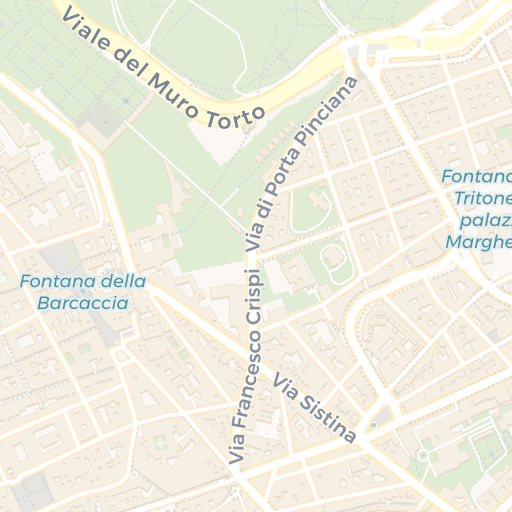
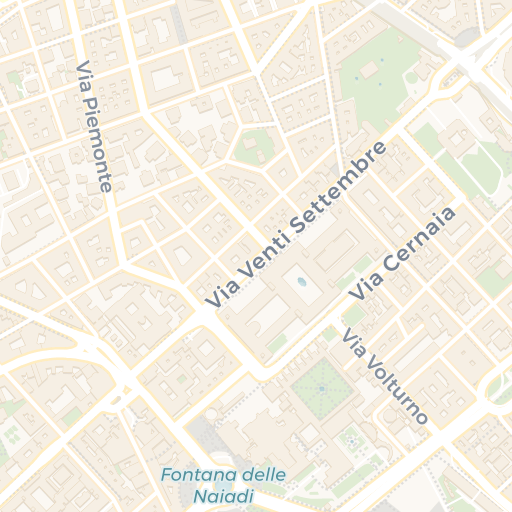
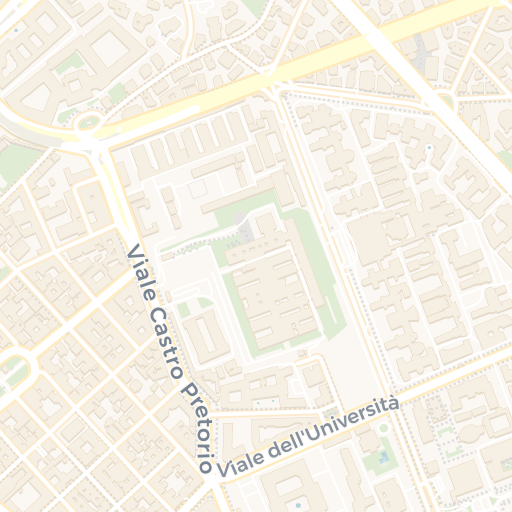
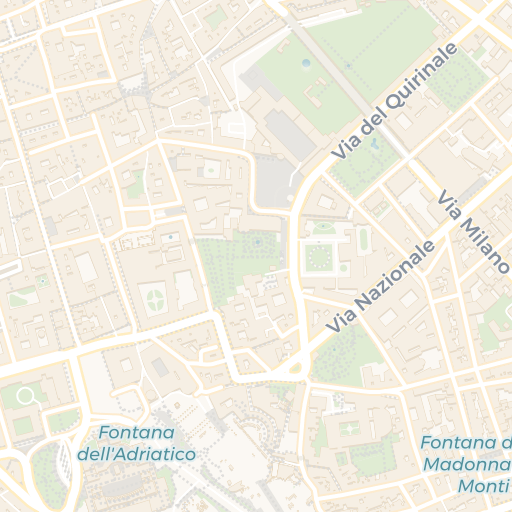
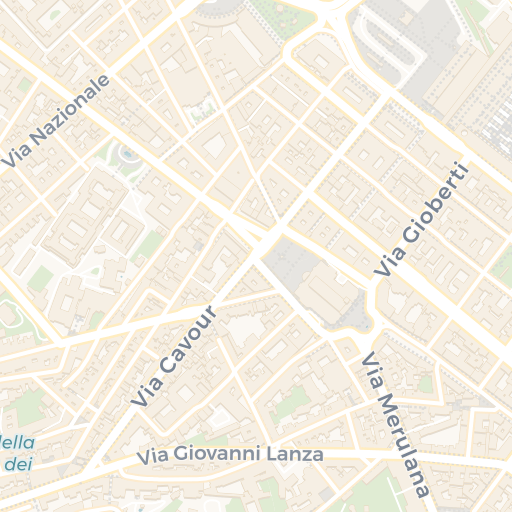
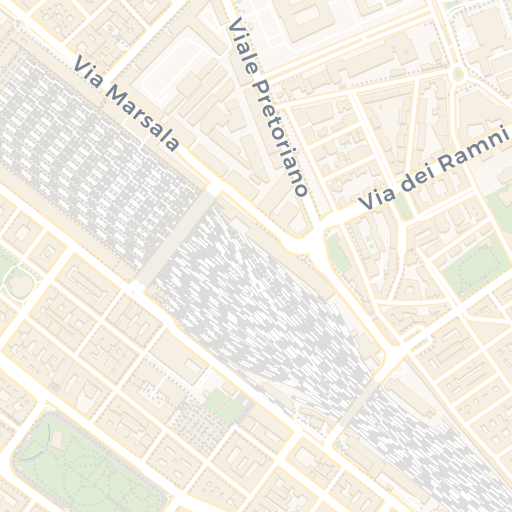
Get directions Open in Apple Maps
© OpenStreetMap contributors · © CARTO · 41.9046, 12.4944
Plan your visit
Admission: Free · NO ADMISSION CHARGE IS PUBLISHED by Turismo Roma or by the Carmelites who run the church, and none is expected: this is a Discalced Carmelite conventual church with published visiting hours, not a ticketed monument. Bring coins for the chapel light — the Cornaro Chapel is lit by a coin box, and Bernini designed the group around light it no longer reliably gets.
Prices verified October 2026
Best viewpoint: Dead centre of the Cornaro Chapel, standing back as far as the nave allows. Bernini set the group in an aedicule with the gilded rays behind it; from the side you see a white marble heap, and from the front you see the staging he actually built.
Open and visitable are not the same hours
This is the thing to get right, and the Carmelites publish the two schedules separately.
The church is open 6.45–12.00 and 16.00–19.00; on Sundays 9.00–12.00 and 16.00–18.00.
Visits are 8.00–12.00 and 16.00–18.00; on Sundays and solemnities 9.00–12.00 and 16.00–18.00.
So the doors open an hour and a quarter before you may look round, and close an hour after you may stop. Turismo Roma publishes no hours for this church at all, which is why a timetable taken from the usual places tends to be the opening one.
And prayers close it further
The Carmelites state, in capitals: during celebrations and prayers, visits are not permitted. Mass is at 7.00 Monday to Saturday and 10.30 on Sundays and holy days of obligation. Eucharistic adoration runs Tuesday 18.00–19.00 and Thursday 18.30–19.00 — inside the evening opening window, and therefore not visiting time.
What it costs
No admission charge is published by Turismo Roma or by the Carmelites, and none is expected: this is a conventual church of a religious order, not a ticketed monument. Bring coins for the chapel light.
Ticket & Pass Decision Matrix
| Option | Cost | What it gets you | Verdict |
|---|---|---|---|
| Morning visit, 8.00–12.00 | No published charge | The Ecstasy, with the longest and quietest window | The best option. Four hours wide, and you will often have the chapel. |
| Afternoon visit, 16.00–18.00 | No published charge | The same, in two hours | Fine, but tighter — and on Tuesday and Thursday the end of the day belongs to adoration. |
| Coins for the chapel light | A euro or so | The faces rather than the drapery | Worth it. The group was designed around light it no longer reliably gets. |
How to look at it
Stand dead centre and as far back as the nave allows. Bernini set the group in an aedicule with gilded rays behind it; the scenic construction only resolves from in front. From the side it is a heap of white marble.
Give it longer than you think. It is one object, but the carving of the drapery rewards a second and third look, and most people leave after ninety seconds.
Getting there
Via XX Settembre 17, 00187 Rome. Telephone 06 42740571; email vittoria@carmelitaniroma.it.
Accessibility
No specific accessibility information is published by Turismo Roma or by the Carmelites. The church is a single space entered from the street, which is in its favour — the Cornaro Chapel is a few paces inside, with no stairs or route to negotiate. Ring 06 42740571 to check before travelling.
Verified against Carmelitani Scalzi — Provincia Centro Italia, October 2026.
When to visit
Between 8.00 and 12.00 is the best window. It is the longest of the two published visiting periods, it is before the church's quietest hours end, and it avoids both the 7.00 weekday mass and the evening adoration.
Not before 8.00, whatever the door says. The church opens at 6.45 but visiting does not begin until 8.00.
Not after 18.00. The church stays open until 19.00 but visiting stops at 18.00, and on Tuesdays and Thursdays that last hour is given to Eucharistic adoration.
Sundays are narrower at both ends. Church and visits both run 9.00–12.00 and 16.00–18.00, with mass at 10.30 — which eats the middle of the morning window.
Season barely matters. It is a small interior with one object; it is neither hot nor crowded in the way Rome's monuments are. If anything, go in summer, when the rest of the city is unbearable and this church is cool, dim and nearly empty.