

Basilica of Santa Maria Maggiore
Last updated on October 5, 2026Why visit Basilica of Santa Maria Maggiore
The draw
The fifth-century mosaics along the nave and triumphal arch are among the earliest surviving images of the Virgin anywhere, and they have been in place since the 430s — you are looking at the decoration of the building as it was finished. Above them runs a gilded coffered ceiling; at the end, Jacopo Torriti's Coronation of the Virgin of 1295. Since 2025 the basilica has also held the tomb of Pope Francis, who chose burial here rather than in St Peter's, in the side nave between the Sforza and Pauline chapels.
The problem when visiting
It is the least visited of Rome's four papal basilicas and the least explained. There is no free audio guide, the mosaics are high up and far off, and most visitors walk the nave in ten minutes without realising that the pictures overhead are contemporary with the walls. The dress code is enforced strictly — knees and shoulders covered, no hats — and there is no cloakroom, so a day-pack can stop you at the door. The best parts of the complex, the Loggia of the Blessings and the panoramic terraces, are behind a separate ticket whose price the basilica does not publish anywhere we could verify.
The tactic
Come for the mosaics and give them time: stand at the west end and work east along the nave before going anywhere near the chapels, because that is the order the building was decorated in. Bring binoculars or a phone with a decent zoom — the nave panels are small and high. See the tomb of Pope Francis on the way out rather than first, so the building is not reduced to it. If you want the Loggia and the terraces, email ahead rather than turning up expecting to buy at a desk.
Skip it if you:
- Are wearing shorts or a sleeveless top. You will not be admitted, and the rule is applied.
- Have a large backpack. There is no cloakroom and security may refuse it.
- Only want one Roman church. If it is a single visit, the Pantheon and St Peter's are the obvious two.
- Expect Michelangelo in the Sistine Chapel. The Sistine Chapel here is Sixtus V's, a different chapel entirely.
Quick facts
- Type: Church, Sacred Place, Historic Place, Museum
- Local name: Basilica di Santa Maria Maggiore (vedi la pagina italiana)
- Admission: Free + paid options
- Reservation: Not required — tickets on the door
- Typical visit: About 1 hour
- Built: Present structure under Pope Sixtus III, <span class="timeline-date">432–440</span>; facade 1740s
- Built by: Pope Sixtus III
- Built for: The first Marian sanctuary of the West
- Designed by: Ferdinando Fuga (the 1740s facade); Domenico Fontana (the Sistine Chapel)
- Architectural style: Early Christian basilica with Baroque facade
- Pope Francis is buried here: In 2025, in the side nave between the Sforza Chapel and the Pauline Chapel — not in St Peter's.
- The tallest bell tower in Rome: The fourteenth-century campanile stands about 75 metres, higher than any other in the city.
Visit responsibly
It is a church before it is a monument. Mass is celebrated hourly for much of the day and the Chapel of the Crucifix holds adoration from Monday to Friday between 9.30 and 17.00. Walk quietly, do not cross barriers into chapels in use, and step aside rather than through a service in progress.
Meet the dress code rather than argue with it. Covered shoulders and knees, no hats. The rule is the basilica's own and is applied at the door; treating it as an obstacle rather than as the condition of entry wastes staff time and your own.
Do not use flash on the mosaics. The nave panels are sixteen centuries old and light is cumulative on glass tesserae and their setting bed.
Travel light, because there is nowhere to put anything. No cloakroom exists, and large bags are refused. Arriving with a rucksack shifts the problem onto the security staff and usually onto you.
Write ahead for the terraces and the excavations. Both are arranged by email through visitemuseo.smm@basilica.va rather than sold at a counter, and turning up hoping to be squeezed in puts pressure on a small team running a working basilica.
Where it is
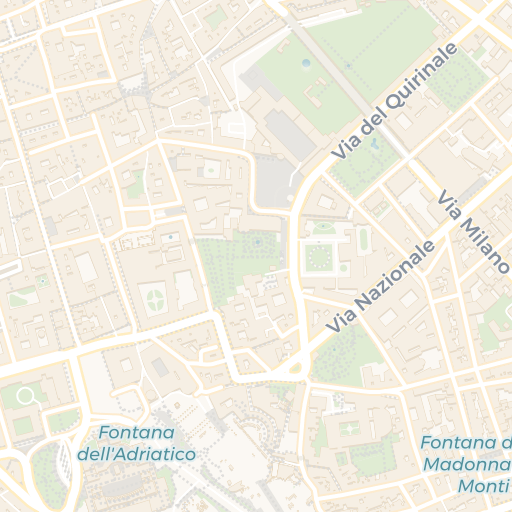
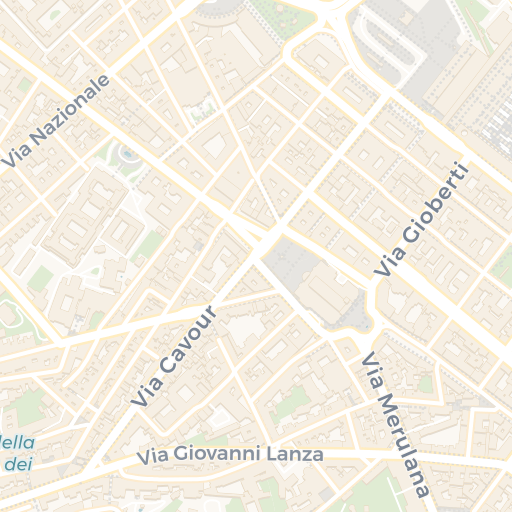
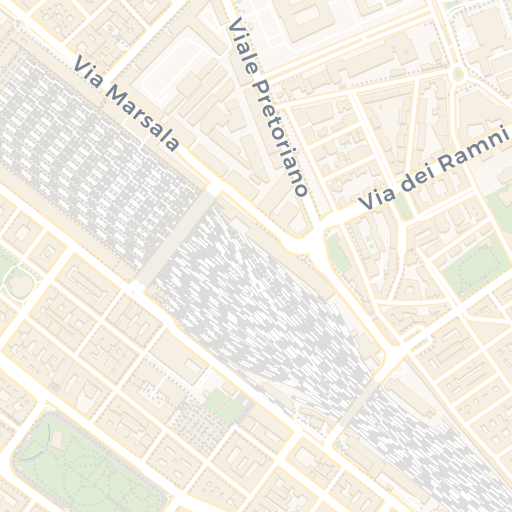
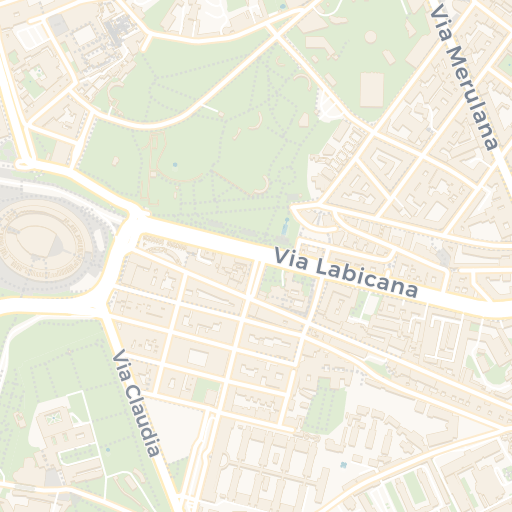
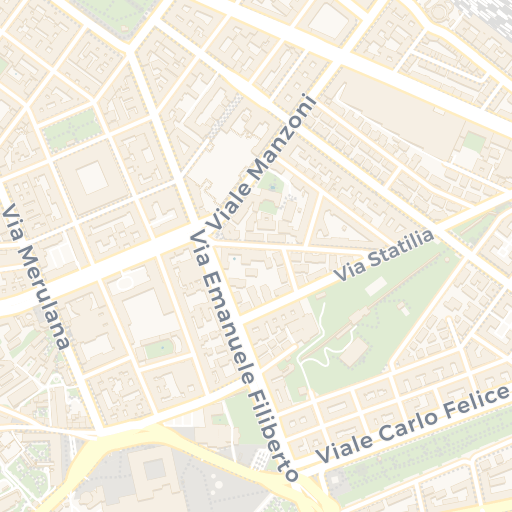
Get directions Open in Apple Maps
© OpenStreetMap contributors · © CARTO · 41.8975, 12.49861
Plan your visit
Admission: Free + paid options · The basilica itself is entered without a ticket; it holds Mass hourly in the Pauline Chapel on weekdays and at the Papal Altar on Sundays and feast days. The Liberian Museum Complex — the museum, the Loggia of the Blessings, the Sala dei Papi, Bernini's staircase and the 360-degree panoramic terraces — and the Archaeological Area are ticketed separately, sold through the Vatican Museums ticketing platform. NO TARIFF IS PUBLISHED IN A CITABLE FORM: the ticketing page is a JavaScript application that exposes no price in its HTML, and Turismo Roma's page on the basilica carries no admission information. The figure is therefore deliberately left unset rather than guessed. Access to the panoramic terraces and the Archaeological Area is arranged by emailing visitemuseo.smm@basilica.va.
Best viewpoint: The nave looking east along the fifth-century mosaics to Torriti's apse, with the coffered ceiling overhead.
What is ticketed and what is not
The basilica is entered without a ticket. It is a working papal basilica with Mass hourly in the Pauline Chapel on weekdays and at the Papal Altar on Sundays and feast days.
The Liberian Museum Complex is separate and ticketed — the museum, the Loggia of the Blessings, the Sala dei Papi, Bernini's staircase and the 360-degree panoramic terraces — as is the Archaeological Area beneath the church. Tickets are sold through the Vatican Museums platform.
Budget about €8–14* for the Museum Complex, but confirm at the desk. Neither the basilica nor the city tourism board publishes a price for it in advance. For the panoramic terraces and the Archaeological Area, access is arranged by writing to visitemuseo.smm@basilica.va rather than by buying at a counter.
Hours
The Museum Complex opens Monday to Saturday 8.00 to 18.30, last entry 18.00, and Sunday 12.30 to 17.00. The short Sunday hours are a liturgical constraint, not an administrative one: the basilica's own services take the morning.
The dress code is enforced
Admission to both the basilica and the Museum Complex is permitted only to visitors dressed, in the basilica's own words, in a dignified manner. Sleeveless or low-cut garments, shorts that do not cover the knees, miniskirts and hats are not permitted. The rule extends to visible personal items and markings the basilica judges offensive to Catholic morality. This is the most common reason people are turned away, and it applies in August.
Security and what you cannot bring
There is no cloakroom. Large bags, suitcases and backpacks are refused at the discretion of security staff, and there is nowhere to leave them, so arriving with a day's luggage can end the visit before it starts. Knives, scissors and metal tools of any kind must be handed in at the security check. Smoking and electronic cigarettes are prohibited throughout. Visitors are advised not to leave belongings unattended; the basilica accepts no responsibility for loss, and lost property is reported to staff or, after leaving, to visitemuseo.smm@basilica.va.
Ticket & Pass Decision Matrix
| Option | Cost | What it gets you | Queue and booking | Verdict |
|---|---|---|---|---|
| The basilica | €0 | The nave, the fifth-century mosaics, Torriti's apse, the Sistine and Pauline chapels, the tomb of Pope Francis and Bernini's grave | No ticket; security check and dress check at the door | This is the visit. Almost everything worth seeing is here and free. |
| Liberian Museum Complex | Estimated €8–14* | The museum with Arnolfo di Cambio's 1291 nativity, the Loggia of the Blessings, the Sala dei Papi, Bernini's staircase and the panoramic terraces | Sold via the Vatican Museums ticketing platform | Worth it for the nativity group and the loggia. Budget blind and confirm at the desk. |
| Archaeological Area | Estimated €8–14* | The underground passages and the Roman building found in 1966 | Arrange by email: visitemuseo.smm@basilica.va | Not a walk-up. Write ahead or you will not see it. |
| Panoramic terraces | Estimated €8–14* | 360-degree views over Rome from roof level | Also by email to the same address | Same rule. This is the part people discover too late. |
* Our estimate, based on what comparable Rome sites charge — no price is published in advance, so check the exact figure when you buy.
On the ground
An hour covers the basilica unhurriedly; add time for the museum. The complex is on Piazza dell'Esquilino at the top of the Esquiline, a short walk from Termini, which makes it one of the easiest major sights to reach on arrival in Rome — and a good first or last stop of a trip.
Verified against Basilica Papale di Santa Maria Maggiore, September 2026.
When to visit
Weekday mornings, for the museum and the light. The Museum Complex opens at 8.00 Monday to Saturday but only at 12.30 on Sunday, so a Sunday visit loses the morning entirely. The nave mosaics are lit from the clerestory and read best in the first half of the day.
Avoid Mass times if you want to walk the nave freely. Mass is said in the Pauline Chapel at 7.00, 8.00, 9.00, 10.00, 11.00, 12.00 and 18.00 on weekdays, and at the Papal Altar at 10.00, 12.00 and 18.00 on Sundays and feast days, with a 18.00 vigil. These are not interruptions to the building's purpose — they are its purpose — but they do close parts of it to sightseeing.
5 August is the feast, and the reason for the name. The dedication anniversary commemorates the legendary snowfall on the Esquiline, and the basilica marks it. Expect crowds and ceremony rather than a quiet look at mosaics.
Since 2025, expect a steady flow to the tomb. Pope Francis's burial here has changed the visiting pattern; the side nave between the Sforza and Pauline chapels is busier than the rest of the church at any hour.
Any season. It is indoors, it is free, and it is five minutes from Termini — which makes it one of the better wet-afternoon and high-summer options in central Rome, with the dress code the only seasonal catch.