

Via Condotti
Last updated on October 4, 2026Why visit Via Condotti
The draw
The most expensive street in Italy is named after a water pipe. The reference work is flat about it: Via dei Condotti takes its name from the conduits that once carried water to the Baths of Agrippa. The Baths of Agrippa were on the far side of the Corso, by the Pantheon; this street carried the plumbing. It is also, in ancient terms, one of the roads that crossed the Via Flaminia, letting people who had crossed the Tiber reach the Pincio Hill — a service road, twice over, now one of the most expensive streets in Europe.
And two doorways on it are worth more than the whole of the retail. Caffè Greco, at number 86, was established in 1760 and is perhaps the most famous café in Rome; it drew Stendhal, Goethe, Byron, Liszt and Keats. Keats is the one that lands — he died in 1821 in the house at the foot of the Spanish Steps, a hundred metres from the table he had been using. And at number 11, Guglielmo Marconi, inventor of radio, lived until his death in 1937.
The friction
If you are not shopping, it is a corridor. The street is short, the frontages are closed, and there is no café terrace to sit at and watch from. It is also, being beside the Spanish Steps, visited by large numbers of tourists, most of them moving through it in the same two directions.
The tactic
Go into Caffè Greco and stand at the bar. Standing is the Roman way to drink a coffee and it is a fraction of the table price in a room that has been serving since 1760. It is also the only way to see the interior without committing an hour.
But check first. The café has been a tenant since 1760 and says so: in its own press release of 18 June 2026 it describes itself as owner of the furnishings and licence holder of a listed building it does not own, and reports asking the Council of State for access to the records of that building's ownership transfers. This page does not take a side in a live dispute; it is simply a reason not to build a morning around the place without looking.
Then read the street as a list of addresses rather than brands. 86 is the café; 11 is Marconi's. Knowing that the inventor of radio died in a flat above these shops changes a window-shopping street into a street where people lived.
Skip it if you:
- Are not buying and not interested in who drank here. There is genuinely nothing else to do.
- Dislike slow crowds in a narrow space. It funnels the Spanish Steps traffic.
- Expected a market street. It is one brand per frontage, with doormen.
Quick facts
- Type: Store, Street/Avenue
- Visitor access: Open to visitors
Visit responsibly
This is a residential street with shops in it, not a shopping centre. People live above the frontages — Marconi did, at number 11, until 1937, and Valentino's six-storey palazzo was near the street when he went to court in 1986 over noise from a restaurant. The flats are still flats.
The 1986 case is the street's own argument about itself. Valentino sued to close a McDonald's near the Spanish Steps, complaining of noise and disgusting odours; McDonald's overcame the obstacles, to the dismay of some Romans. A street that is simultaneously one of the most expensive in Europe and a thoroughfare for large numbers of tourists has been negotiating that tension in public for forty years.
Caffè Greco's position is its own, and it is contested. The café has been a tenant on this site since 1760: its own account of the 1909 estate of Mosè Levi records the business, then Federico Gubinelli's, as owner of the furnishings and licence holder under a commercial lease of 1908, with the tenancy maintained by the widow Levi as usufructuary. Its press release of 18 June 2026 reports proceedings over access to the later ownership records. Visitors are not well placed to adjudicate a property dispute and this page does not. Spending money there is the straightforward way to support a 1760 establishment if you want to.
Photograph the street, not through the windows. The ground floors are single-brand rooms with staff and customers in them, and the doormen are not scenery.
Walk through rather than stop in the middle. The footway is narrow and it is carrying the Spanish Steps overflow.
Where it is
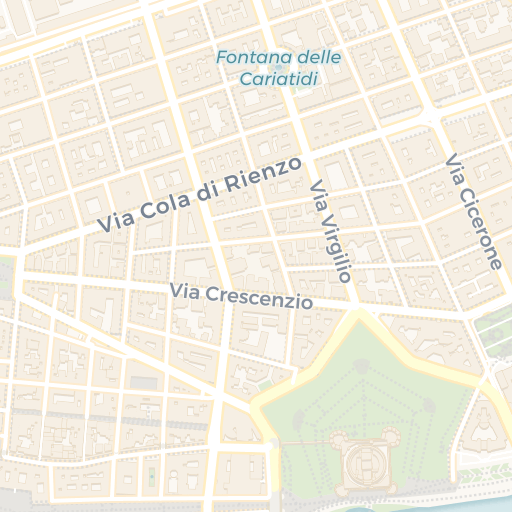
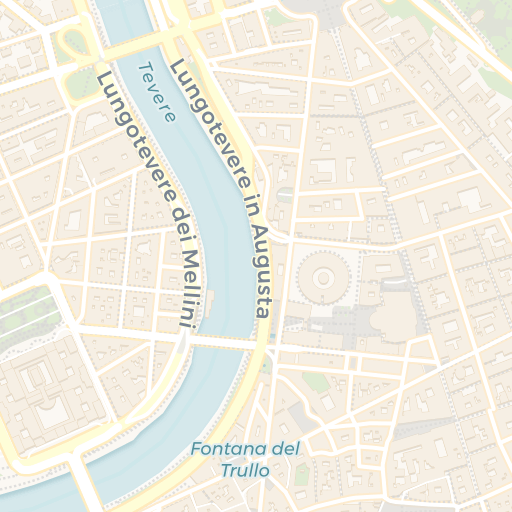
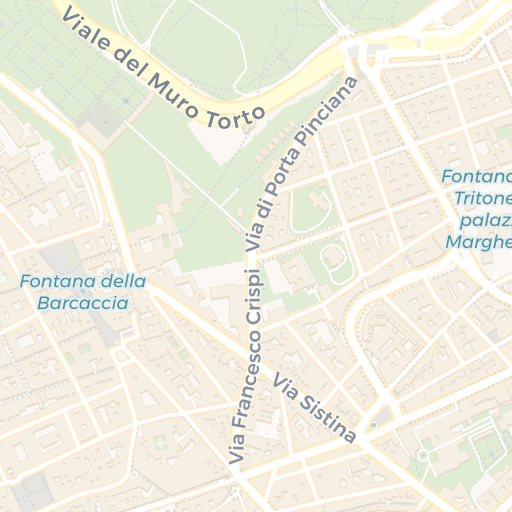
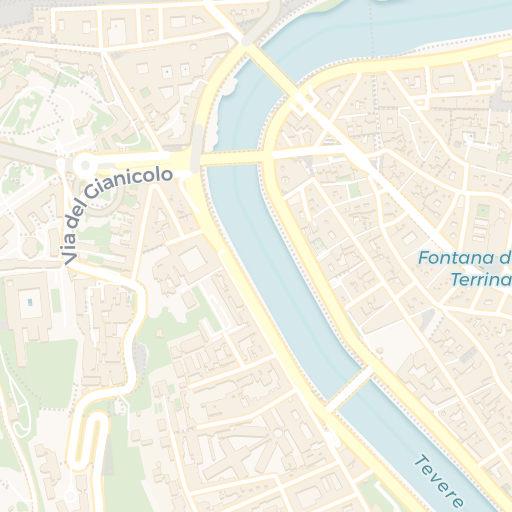
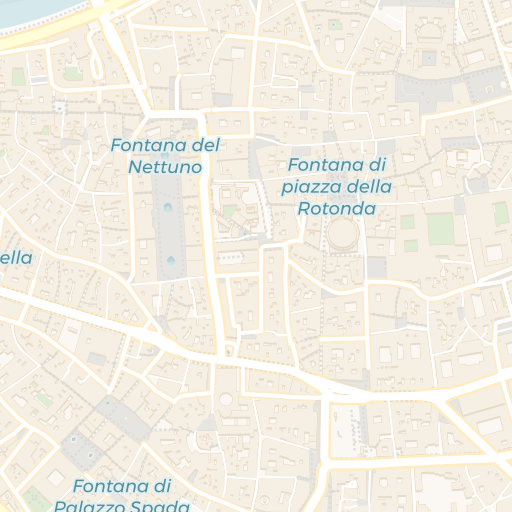
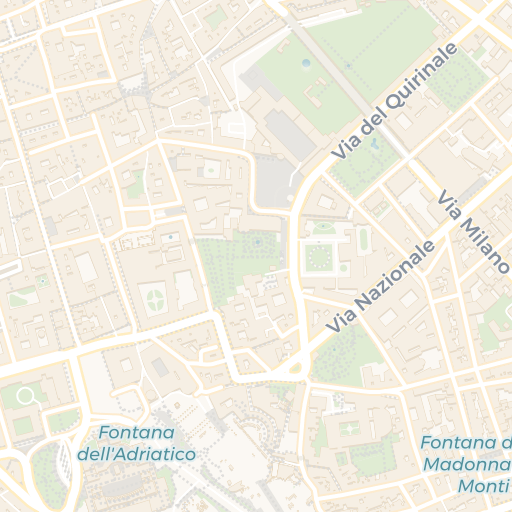
Get directions Open in Apple Maps
© OpenStreetMap contributors · © CARTO · 41.90499, 12.48011
Plan your visit
A public street, free and always open
Via dei Condotti is a street. There is no ticket, no gate and no closing time, and no authority reachable for this page publishes hours for it — what has hours are the shops on it, which keep their own.
What to actually do
Walk it from the Spanish Steps to Via del Corso, which takes about five minutes, and stop at two addresses: number 86, Caffè Greco, established in 1760; and number 11, where Guglielmo Marconi lived until his death in 1937.
Caffè Greco, with a caveat
In a press release dated 18 June 2026, the Antico Caffè Greco describes itself as owner of the furnishings and licence holder of the listed building at Via dei Condotti 85-86 — which it does not own — and reports asking the Council of State for access, under administrative transparency law, to the documents on that building's ownership transfers, access both the Ospedale Israelitico and the Ministry of Culture refuse. That is the café's own account of a continuing dispute and this page does not adjudicate it. The practical consequence for a visitor is the only one that matters here: check before building a visit around it.
Cost
Nothing to be on the street. Everything opening off it is priced for one of the most expensive streets in Europe — including the coffee, where standing at the bar and sitting at a table are very different transactions.
How long
Fifteen minutes to walk and look; forty if you stop for a coffee.
Verified against Antico Caffè Greco, October 2026.
When to visit
Early morning, before the shops open, is the only time you can see the street itself. Once the shutters are up the frontages take over and the footway fills with people moving between the Spanish Steps and the Corso; before about nine it is a straight, quiet 18th-century street with the steps at one end.
Otherwise go when the shops are open, because they are the street. There is no middle option: either the architecture or the retail, and outside shopping hours there is nothing else here to do.
Avoid late afternoon in high season. The street is visited by large numbers of tourists because of its position beside the Spanish Steps, and it is narrow, so the crowd has nowhere to spread.
Check Caffè Greco before relying on it. Its own press release of 18 June 2026 reports continuing proceedings over access to the ownership records of the listed building it occupies as a tenant. For a 1760 room that is the reason many people come to this street at all, two minutes before you set out is worth it.
Evening is for looking, not entering. The windows are lit and the street empties as the shops close, which is the one hour it is both quiet and characteristic.