

Villa Borghese
Last updated on October 5, 2026Why visit Villa Borghese
The draw
80 hectares of umbrella pines, lawns and a lake in the middle of Rome, free and open, with the best view in the city at its edge — the Pincio terrace looking down over Piazza del Popolo to St Peter's dome. Inside it are the Galleria Borghese, the Etruscan Museum and the national gallery of modern art.
The problem when visiting
It is big, and the thing most visitors come for is not the park. The Galleria Borghese inside it is ticketed, needs a booked timed slot and sells out days ahead; people arrive at a free park expecting Bernini and find they needed to plan. The park is also bordered by heavy traffic on three sides, so the entrances matter.
The tactic
Come up through Piazza del Popolo or take the lift at Spagna, which lands you at the Pincio and skips the climb. Do the terrace first, walk east to the lake and the Temple of Aesculapius, and treat the museums as separate decisions made in advance. If you have booked the Galleria, arrive early and wait in the gardens rather than the entrance hall.
Skip it if you:
- Have one day in Rome. This is a park. It is a lovely one, and it is the first thing to cut when the Forum and the Pantheon are still unseen.
- Came for the Bernini sculptures and have not booked. They are inside the Galleria, which does not take walk-ins. The park will not substitute.
- Want formal Italian gardens. These were deliberately remade as an English landscape park in the late eighteenth century. The geometry was removed on purpose.
- Are visiting in the heat of an August afternoon. There is shade under the pines but the open stretches are punishing, and the museums inside are the better use of those hours.
Quick facts
- Type: Nature, Garden, City Park
- Visitor access: Open to visitors
- Admission: Free
- Reservation: Not required — tickets on the door
- Typical visit: About 1 hour 30 minutes
- Built: Laid out from <time datetime="1605">1605</time>; public since <time datetime="1903">1903</time>
- Built by: Cardinal Scipione Borghese
- Built for: A private pleasure garden, on the site of a vineyard
- Designed by: Antonio Asprucci and his son Mario (English landscape redesign)
- Size: 80 ha
- Third-largest park in Rome: 80 hectares, after Villa Doria Pamphili and Villa Ada.
- It exported a snail: Its balustrade went to Cliveden in 1896; in 2004 a Mediterranean snail colony was found still living on it in England.
Visit responsibly
Stay off the lawns where they are roped, and they are roped for a reason. Eighty hectares of mature parkland inside a city of this density takes heavy footfall, and the compacted ground around the pines is the visible result. The umbrella pines are the park's defining structure and their shallow root systems sit close to the surface.
Do not feed the waterfowl or the turtles at the lake. It is the only standing water for a considerable distance, which concentrates the wildlife and concentrates the damage bread does to it.
Use the park as a park. This is one of the places in central Rome where residents actually live their weekends — running, walking dogs, bringing children to the boats. Treating it as a thoroughfare between two museums rather than a place to sit is a missed opportunity and, on a busy Sunday, an obstruction.
Take litter out with you. Bins are sparse by design in the landscaped sections, and Rome's nasoni fountains within the park give free cold water, which removes the commonest source of it.
Book the Galleria rather than turning up. The gallery caps entry at 180 people per two-hour slot as a conservation measure. Visitors who arrive unbooked and are turned away add pressure to the park entrances and get nothing for it.
Where it is
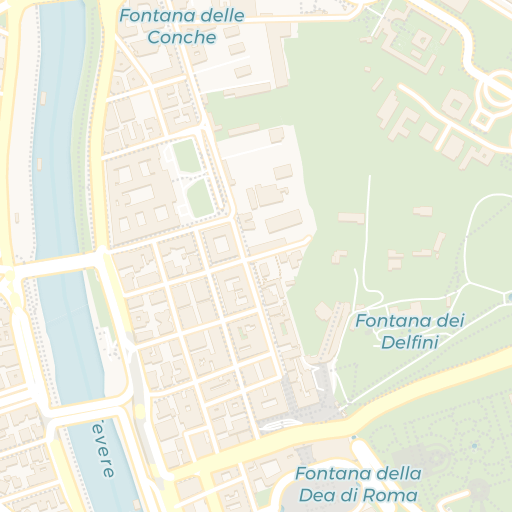
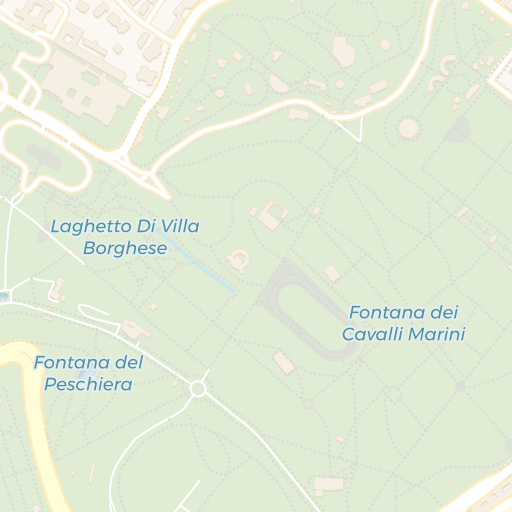
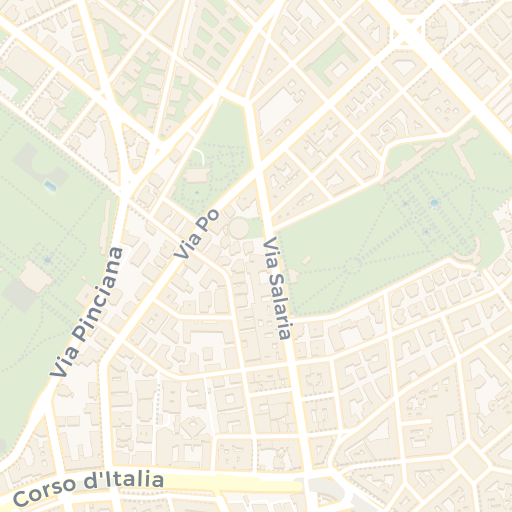
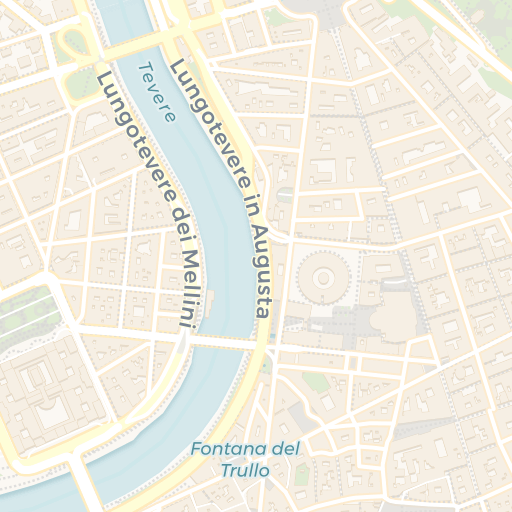
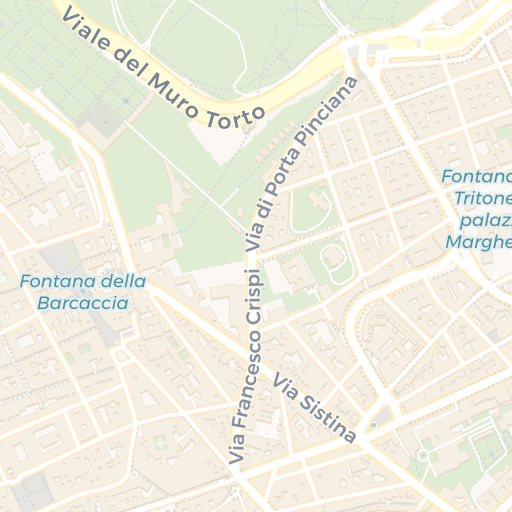
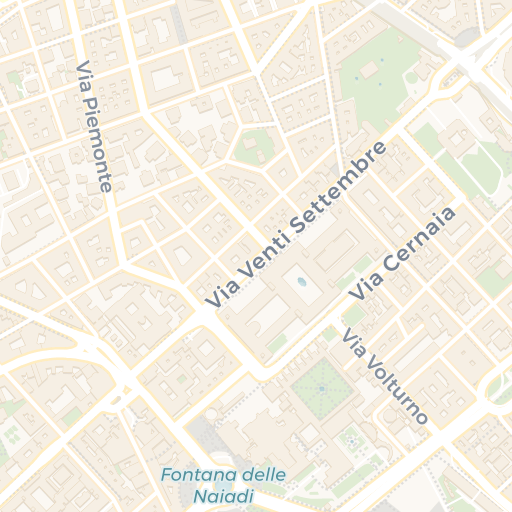
Get directions Open in Apple Maps
© OpenStreetMap contributors · © CARTO · 41.91441, 12.48484
Plan your visit
Admission: Free · The park/gardens are free; the Galleria Borghese museum inside requires a separate paid, reserved timed-entry ticket
Best viewpoint: The Pincio terrace at the park’s south-western corner, looking down over Piazza del Popolo to St Peter’s dome.
The park is free. The museums in it are not.
Villa Borghese is public parkland — open, unticketed, and requiring no arrangements of any kind. That has been true since the commune of Rome bought the gardens and gave them to the public in 1903.
What is inside it is a different matter, and this is the single thing visitors get wrong here. The Galleria Borghese, in the seventeenth-century villa at the park's heart, is ticketed and admits visitors only in booked timed slots that sell out days ahead — booking is compulsory for every ticket type, including free ones. The Etruscan Museum in the Villa Giulia and the Galleria Nazionale d'Arte Moderna are also separately ticketed. Arriving at a free park expecting to see the Bernini sculptures is the commonest mistake made in this part of Rome.
What is free
Everything outdoors: the lawns, the avenues, the lake and its temple seen from the bank, the Piazza di Siena, the monuments along the walks, and the Pincio terrace, which gives the best free view in Rome over Piazza del Popolo to St Peter's dome. No ticket, no reservation, no gate.
How long, and how to shape it
Ninety minutes walks the main circuit comfortably. The park is 80 hectares — the third-largest in Rome — so crossing it end to end on foot is a real walk rather than a stroll, and it is worth deciding in advance which gate you are leaving by.
Rowing boats can be hired on the lake. There is a zoo and a cinema within the grounds, and the Piazza di Siena still hosts equestrian events.
Practical notes
Paths are broad and mostly gentle, with gravel in places. The interior is quiet; heavy traffic runs along three sides, so the perimeter is not. There is high dappled shade under the umbrella pines and very little on the open stretches, which matters in July and August.
When to visit
April to early June and late September into October are the park at its best — workable temperatures, long light, and the pines at their most striking against a clear sky.
Sunset at the Pincio is the famous hour and the busiest. If you want the view without the crowd, early morning gives you the same panorama with almost nobody on the terrace.
Sunday is when Romans use it, which is either the point or the problem depending on what you came for. It is the best time to see the park as a working city park rather than a sight.
Avoid the open stretches in an August afternoon. The shade under the pines is high and broken rather than dense, and the lawns offer none at all — this is the time to be inside one of the museums instead.
Winter is underrated for the view. The low sun across the rooftops from the Pincio is better in January than in June, and the terrace is empty.