

Castello di Monte Ursino, Noli
Last updated on October 18, 2026Why visit Castello di Monte Ursino, Noli
Because this is where Noli was before Noli was by the sea.
The draw is the first of three foundations. The town was founded three times — first on the summit of this hill, then beside the church of San Paragorio, then inside the walls below. The hill still holds ancient elements and constructions of the primitive settlement from the twelfth century, under the Del Carretto.
The friction is that it is ruins, and nobody publishes a way in. No opening hour or admission for the castle is published by the comune or by anything else read for this page — and the encyclopaedia's own article on the castle carries a warning that it has no sources at all.
The smart way is to go up for the shape and the view, and read the date. The circular keep inside an irregular polygonal enclosure is the form of a medieval castle rebuilt in 1552 to take cannon. From here the paths continue to Capo Noli, about three kilometres on, at 276 metres.
Quick facts
- Type: Castle, Historic Place, Ruins
- Local name: Castello di Monte Ursino, Noli (vedi la pagina italiana)
- Built: First structure from the twelfth century with the town wall; present form from the rebuilding of 1552
- Built by: Del Carretto marquises; rebuilt by captain Andrea da Bergamo
- Architectural style: Circular keep inside an irregular polygonal enclosure, adapted in the sixteenth century for artillery
Visit responsibly
These are ruins on an open hill, with no custodian. Nothing is staffed, fenced or signed for visitors, and the walls are old stone.
Do not climb on the enclosure or the keep. Two of the towers are already described as remains, and a restored ruin is restored at somebody's expense.
The hill holds more than the castle. It conserves ancient elements and constructions of Noli's primitive settlement from the twelfth century — which means the ground itself is archaeology, not just the standing walls.
Stay on the paths once you are past it. The headland and the ground behind it fall inside a Natura 2000 site shared with five other comuni, holding plants recorded in few other places.
Carry water and tell someone. It is an exposed climb above the sea with no shade and no service on the hill.
Where it is
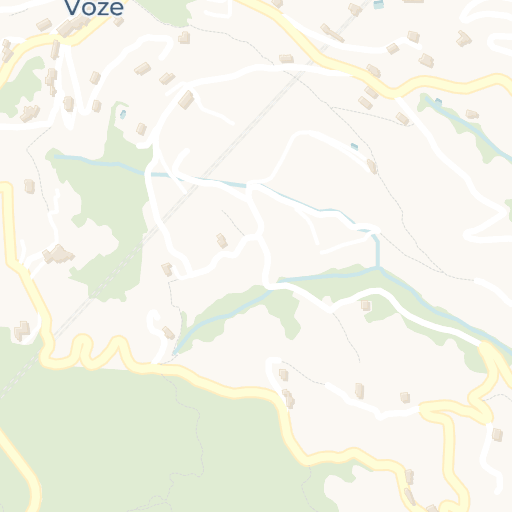
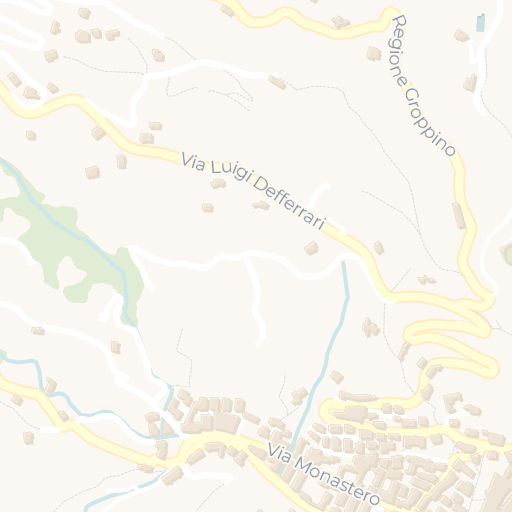
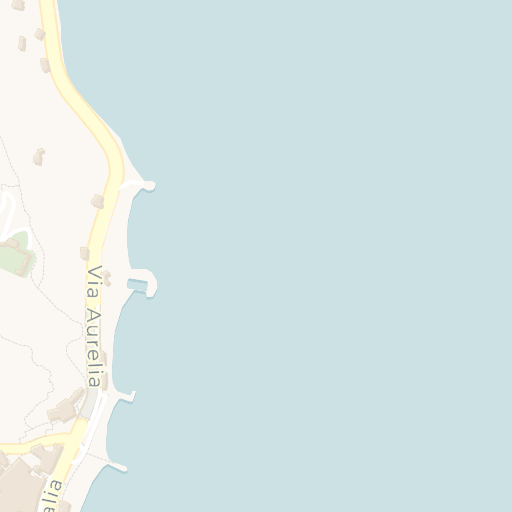
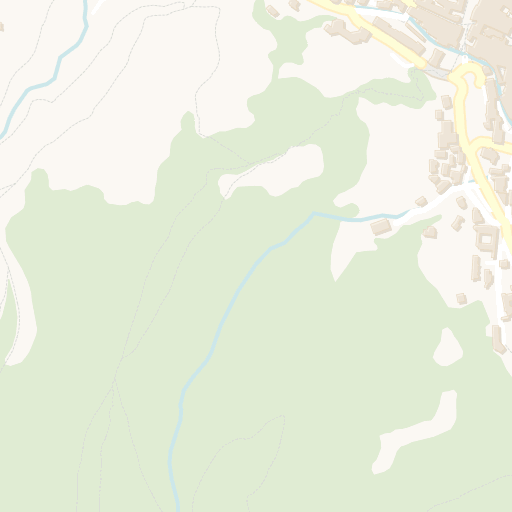
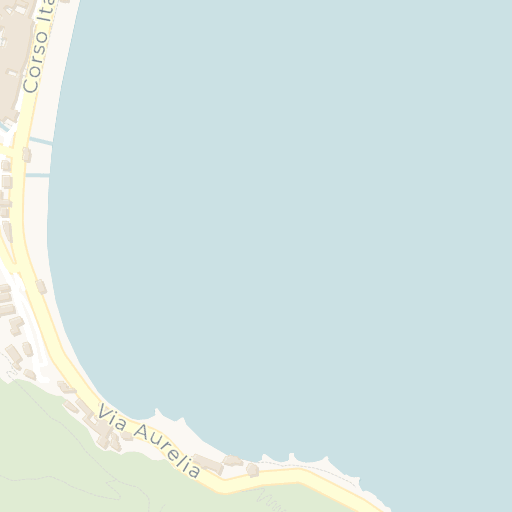
Get directions Open in Apple Maps
© OpenStreetMap contributors · © CARTO · 44.20892, 8.41541
Plan your visit
No opening hour or admission for the castle is published by anyone. The Comune di Noli publishes no opening hour or admission for any building in the comune, and nothing else read for this entry does either. That absence establishes that nothing is ticketed; it does not establish that the castle is open.
Treat the encyclopaedia's claims about access with care. Its dedicated article on the castle describes the condition as restored ruins, the ownership as municipal and the site as visitable — but that article opens with a maintenance template citing a total absence of sources, added in August 2022. None of it is confirmed anywhere else read.
Getting up. The castle stands on the hill directly above the historic centre. Many paths climb the hill from the town, and one of about three kilometres continues to the summit of Capo Noli at 276 metres.
It is a climb, and the ground is exposed. There is no shade on the headland and no service of any kind on the hill.
Contacts. Comune di Noli, Piazza Milite Ignoto 6, 17026 Noli (SV), switchboard 019 7499520; the tourist office published for the town is at Via Anton da Noli, 019 748384.
Verified against Comune di Noli, October 2026.
When to visit
April to June and September to October. The two comfortable windows for a climb on this coast, and the months when the light on the sea below is best.
Early or late in the day. The hill is exposed and unshaded, and a ruined enclosure reads far better in raking light than at midday.
Not the middle of an August afternoon. This is a Bandiera blu resort at its peak and the climb is the hottest thing in the comune.
Combine it with the headland. From the hill the paths continue about three kilometres to Capo Noli, the highest point of the promontory at 276 metres, and behind it opens the altopiano delle Manie.
Nothing here is seasonal in the sense of opening and closing, because nothing here is published as open in the first place.