

Vertine
Last updated on November 3, 2026What makes Vertine special
Vertine is a walled borgo of 22 inhabitants that has survived entire: the street between its two gates still shows traces of its medieval cobbling , and most of the houses are contemporary with the keep. In the church of San Bartolomeo are fragments of fifteenth-century Florentine-school frescoes , one of them titled Vertine dalle sette torri — Vertine of the seven towers. Today one cassero stands, and you can look at the painting from where the painter stood. The friction is that nothing here is organised for you. There is no ticket office, no operator and no published opening hour for anything; the site the encyclopaedia lists for the castle is dead. The church may be locked. The smart way is to walk it as a circuit and look at masonry. In from the surviving gate beside the cassero , down the cobbled street to where the southern gate stood, and back along the outside — where the wall is missing behind the parish church you can read exactly how the circuit ran. Then look for the large building in the southern part , faced in careful alberese ashlar: the likeliest residence of the lords.
Visiting tips and strategy
When to go
Any daylight hour, because there is nothing to be open or shut. The village is the visit and the street is public.
Early or late for the light and the courtesy. A borgo of 22 people with one through-street is a place where mid-morning and evening are both quieter and better lit; the alberese walls take low sun particularly well.
Spring and autumn for the approach. The minor roads up from Gaiole are the point of coming by bicycle, and July and August on an exposed Chianti ridge are hard work.
24 August is San Bartolomeo, the village's patron — the one date in the year when the church is most likely to be open and the village least likely to be empty.
Avoid the first Sunday in October unless you came for it. L'Eroica starts at Gaiole and its white roads run through this part of the comune.
Verified against Eroica, October 2026.
Getting there and getting in
Vertine is a lived-in village, free to walk, with nothing ticketed and nothing published. No opening hours, admission or guided visit exist for the cassero or the walls on any page read for this entry, and the comune publishes no opening hour or admission for any castle in its territory. That silence is the state of affairs, not evidence that anything is open.
The cassero is private and restored. Nothing read indicates it can be entered.
The church of San Bartolomeo holds the frescoes, and no hours for it are published either. If it is locked, the two best paintings that came from it are in any case elsewhere — in the Pinacoteca Nazionale di Siena.
Getting here. Vertine is a short distance north-west of Gaiole in Chianti, uphill on a minor road. The comune has no railway station and publishes no bus timetable; this is a drive or a ride. Park outside and walk in through the surviving gate — the street between the gates is narrow, cobbled in places and the village has 22 residents whose doors open onto it.
Municipal contacts. Comune di Gaiole in Chianti, Via Ricasoli 5, switchboard 0577 744711, freephone 800 012661. The comune runs a push service for weather alerts, emergencies and road closures, which is worth subscribing to if you are driving the unsurfaced roads around here.
Verified against Comune di Gaiole in Chianti, October 2026.
Quick facts
- Type: Historic Place, Neighborhood, Castle
- Local name: Vertine (vedi la pagina italiana)
- Built: Castle first mentioned 1013; cassero medieval, fully restored at the end of the 20th century; church facade 1930s
- Built by: Ricasoli family (documented from 1202)
- Architectural style: Walled borgo, originally a roughly elliptical circuit with towers, the cassero a rectangular keep faced in filaretto of alberese
- Elevation: 505 m
Where it is
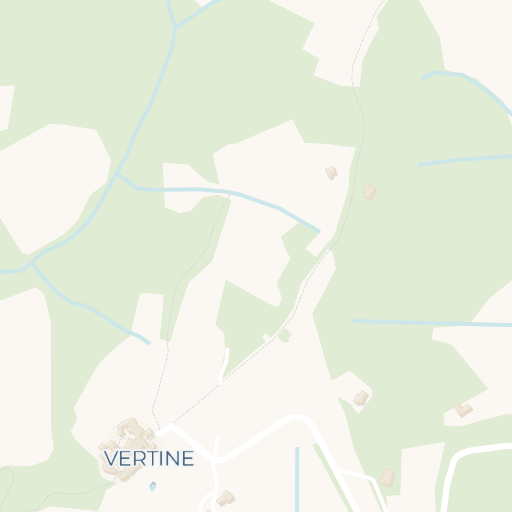
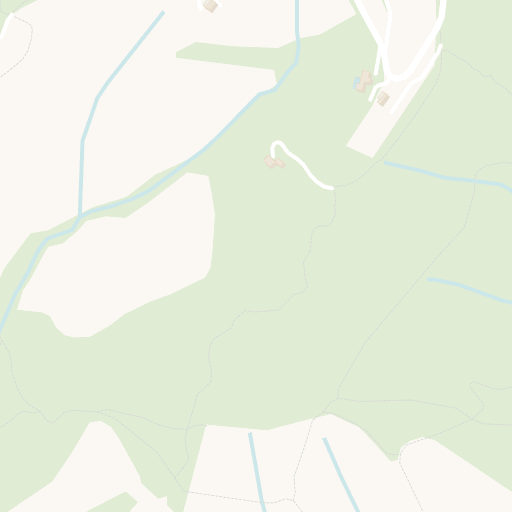
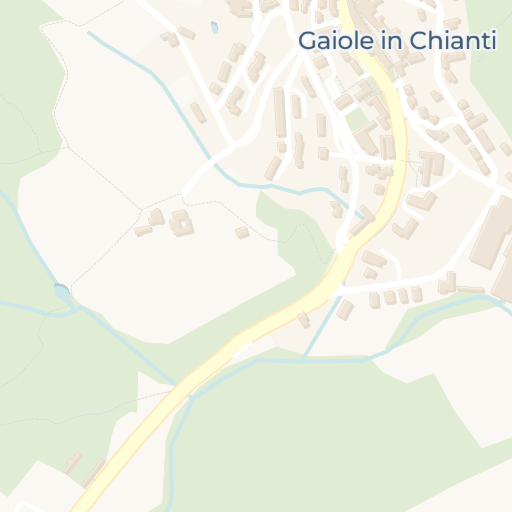
Get directions Open in Apple Maps
© OpenStreetMap contributors · © CARTO · 43.4697, 11.41749
Visit responsibly
Twenty-two people live inside these walls. The single street between the two gates is their street; there is no separate visitor route, and voices carry between stone houses.
Park outside and walk in. The gate is a medieval arch and the street is cobbled in places; driving in is both difficult and unwelcome.
The cassero is private property, restored at someone's expense in the 1990s. Photograph it from the street.
The frescoes are fragments. What is left of the fifteenth-century painting in San Bartolomeo is fragmentary already; if the church is open, no flash and no touching.
The cobbling is the artefact. The stretches of medieval acciottolato between the gates have survived because nothing heavy has run over them. Keep it that way.