

Museo Etrusco Guarnacci
Last updated on October 14, 2026Why visit Museo Etrusco Guarnacci
Because it should not exist. This is one of the oldest public museums in Europe, in a town of nine thousand people, and it was founded in 1761 — before the idea of a public museum was really established — when the abbot Mario Guarnacci gave his collection of over 600 funerary urns and a library of more than 50,000 volumes to "the citizens of the city of Volterra".
What he gave, and what has been added since, is the finest Etruscan collection outside the national museums: thousands of urns of the Hellenistic and Archaic periods, the bronze Ombra della sera stretched almost to a line, the Urna degli Sposi with its unnervingly frank married couple, the Stele of Avile Tite of the 6th century BC, an Attic krater attributed to the Berlin Painter, and a carnelian scarab signed by its maker, Lysandros.
It is also the best-run site in the region: the municipality publishes full hours and a complete price table, entry is €10, and the building has ground-floor access and a lift.
The one trap: between 3 November and 9 March it is closed on Tuesdays.
Quick facts
- Type: Museum, Historic Place
- Local name: Museo Etrusco Guarnacci (vedi la pagina italiana)
- Built: Founded 1761; in Palazzo Desideri Tangassi since 1877
Visit responsibly
Buy the Volterra Card and use the other five sites. At €23 for 72 hours it covers the Pinacoteca e museo civico, the Ecomuseo dell'Alabastro, the Palazzo dei Priori, the Teatro Romano and the Acropoli Etrusca as well as this museum. Almost everybody buys the €10 single ticket and sees one thing; the card costs little more and keeps the smaller municipal sites funded.
Do not touch the urns. Thousands of them stand in the rooms of an 18th-century thematic display, many at hand height, and the alabaster ones in Room 30 are the most vulnerable objects in the building — alabaster is soft and porous, which is exactly why Volterra could carve it.
No flash. Carved stone reads better in the gallery lighting than under a flash in any case, and the bronzes are the pieces most degraded by repeated light.
Go slowly in the urn rooms, and let people past. Those rooms are the museum's whole argument and they are narrow. The temptation is to walk straight through to find the two famous bronzes; the point is the accumulation.
Buy alabaster from a workshop afterwards, and ask who carved it. You will have just seen urns cut from the same stone in the 2nd century BC. The trade is still alive in the streets outside — and only stays alive while people buy from the makers rather than from the importers selling resin alongside them.
Respect the lift. It exists so that the most accessible major museum in this region actually is one. It is not a shortcut for people who can take the stairs.
Where it is
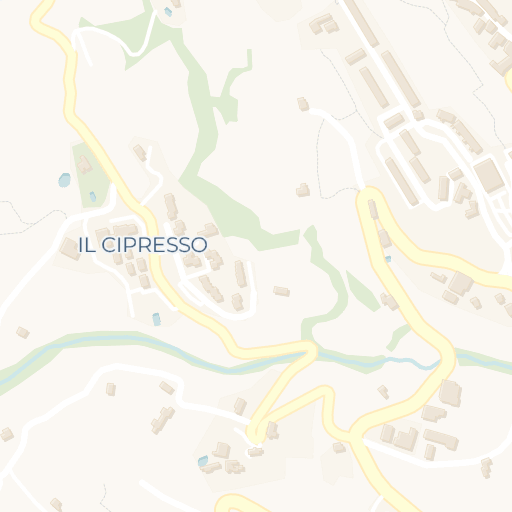
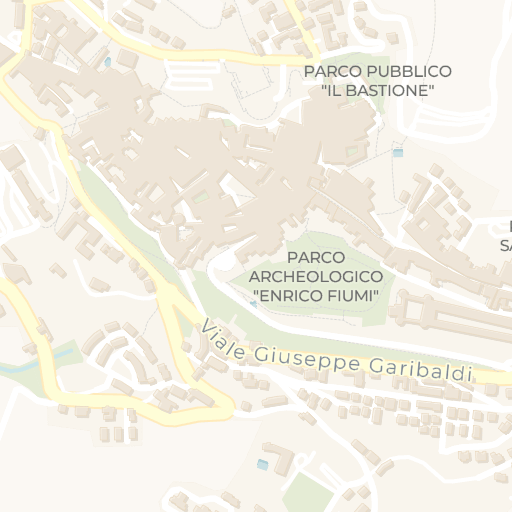
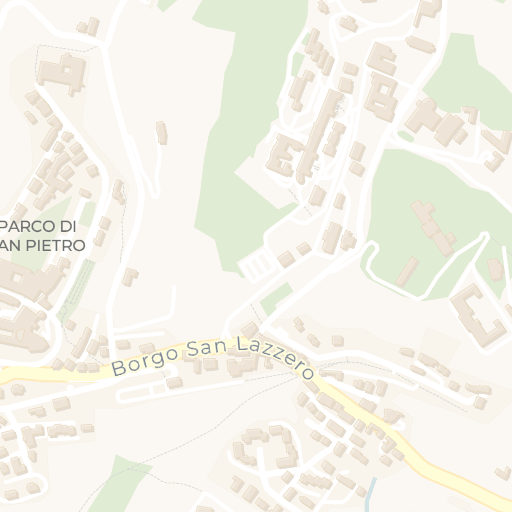
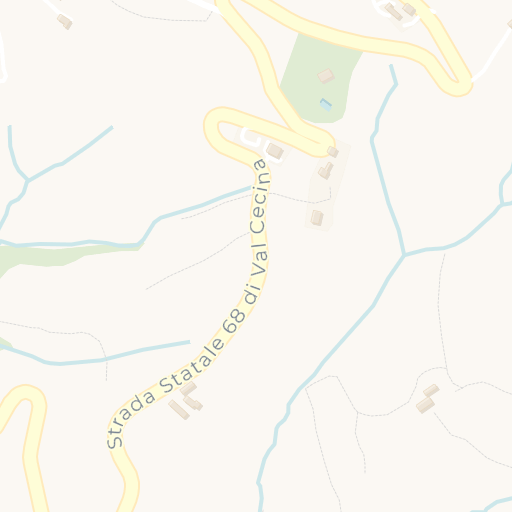
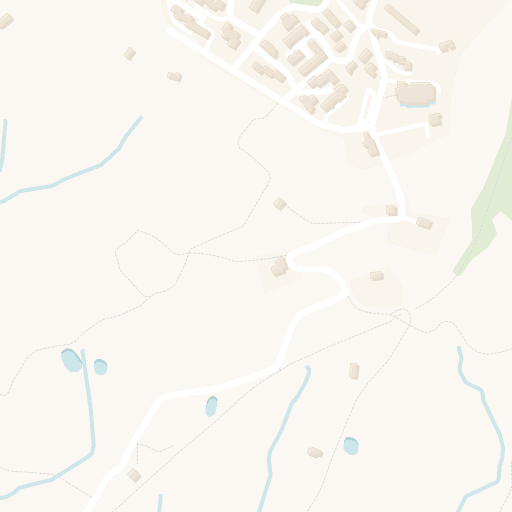
Get directions Open in Apple Maps
© OpenStreetMap contributors · © CARTO · 43.40083, 10.86417
Plan your visit
Hours
- 10 March to 2 November — 10:00 to 18:30, every day.
- 3 November to 9 March — 10:00 to 16:00 on Monday and Wednesday to Friday; 10:00 to 18:30 on Saturday and Sunday; CLOSED ON TUESDAY.
That winter Tuesday closure is the single commonest way to waste a day in Volterra. Check it before fixing dates.
Single tickets
- €10,00 full.
- €8,00 reduced — ages 6 to 25, over-65s, and Touring Club Italiano or FAI members.
- €6,00 for groups of at least ten.
The Volterra Card
Valid 72 hours and covering all six municipal cultural sites — this museum, the Pinacoteca e museo civico, the Ecomuseo dell'Alabastro, the Palazzo dei Priori, the Teatro Romano di Vallebuona and the Acropoli Etrusca:
- €23,00 full; €18,00 reduced (6–25, university students, over-65s, TCI or FAI members); €32,00 family (6–18 with one or two adults, max five people); €12,00 groups of at least ten; €6,00 school parties, not including a guided visit.
- Free for under-6s, residents of the Comune di Volterra, school-district students, disabled visitors and their companions, accompanying teachers and group leaders, authorised guides, journalists and ICOM members.
Watch the two €6 bands — they are different things. On the card, €6 is the school-trip rate; on the single ticket, €6 is the group rate.
Since a single ticket here is €10 and the card is €23 for six sites, the card pays for itself quickly — and because it runs 72 hours, start it on a day that does not run into the winter Tuesday closure.
Getting there and access
Via Don Minzoni 15, telephone 0588 521121. From Piazza dei Priori walk along via Matteotti and via Gramsci. The building has ground-floor access and an internal lift, which makes it the most accessible major museum in this group of towns.
Verified against Comune di Volterra, October 2026.
When to visit
Inside the 10 March to 2 November season, in the morning. In that window the museum opens 10:00 to 18:30 every day, Tuesdays included, which removes the only real scheduling trap it has.
Late April to May and late September to October are the best months: Volterra is at its most comfortable, the town is quiet by Tuscan standards, and the long opening hours let you take the urn rooms slowly rather than at a march.
July and August are fine — the museum is indoors and cool, and Volterra is the least crowded of these five towns even in peak season.
3 November to 9 March is the season to plan carefully. Weekday hours contract to 10:00–16:00, the museum is closed on Tuesday, and winter afternoons are short. Saturdays and Sundays keep the full 10:00–18:30, so a winter weekend is much better than a winter weekday.
Whenever you come, go in the morning and leave the second floor for when you are still fresh: the urns are the point, and they reward attention rather than endurance.