

Rocca Maggiore, Assisi
Last updated on November 3, 2026What makes Rocca Maggiore, Assisi special
The Rocca Maggiore stands on the ridge above Assisi, a trapezoidal circuit of walls in the pink stone of monte Subasio with a tower at every corner and the whole valley laid out below. Something has been fortified here for more than eight hundred years: the townspeople tore the imperial castle down in 1198 , when Francis was sixteen and watching from the town, and what you climb to now is largely the papal rebuilding of 1356 . A fortified corridor still runs along the ridge to a second, smaller fortress, the rocca Minore , and a mastio at the centre is reached by a spiral stair. The friction is the climb and the price. It is 550 metres up from Piazza Matteotti, the ticket office shuts 45 minutes before closing, and the comune states plainly that the monument is not accessible . The smart way is the combined ticket. €14 covers the Rocca, the Foro Romano, the Pinacoteca Comunale and the Torre del Popolo with a multilingual audioguide, against €8 for this alone. Go late — the hill faces the sunset.
Visiting tips and strategy
When to go
Late afternoon in summer, because the hours allow it and the light is on your side. From June to August the Rocca stays open until 20:00 — the longest day of any municipal site in Assisi — and a hilltop at 500 metres facing an open plain is a sunset proposition.
April, May and September close at 19:00, which is still late enough for the same effect with far fewer people on the climb.
Remember the 45-minute rule whenever you come. The ticket office shuts 45 minutes before closing, so the real last entry in winter is 16:15 and in high summer 19:15.
Winter is short and the climb is exposed. November to February: 10:00-17:00, and closed on 25 December. A ridge-top fortress in an Umbrian January is cold in a way the valley is not, and there is no shelter inside beyond the keep.
Spring and early summer, if you want the birds. The Rocca is a listed Living Monument because common swifts and bats use it as a breeding site — which means the months when it is most alive are exactly the months it is busiest with people.
Pair it with the other three municipal sites. The combined ticket covers the Foro Romano, the Pinacoteca Comunale and the Torre del Popolo as well, all in the town below, so the sensible shape of a day is the low sites first and the climb last.
Getting there and getting in
Four seasonal bands, one closed day, and a ticket office that shuts early.
Opening hours. March and October: 10:00-18:00. April, May and September: 10:00-19:00. June to August: 10:00-20:00. November to February: 10:00-17:00. Closed 25 December. The ticket office closes 45 minutes before closing time, which is the commonest way of arriving too late.
Tickets. Full €8.00; reduced €6.00 for university students with a card, schools, young people aged 9 to 18, the over-65s and groups above 20. Free for schools and residents of the comune of Assisi, children up to 8, holders of a disability card and ICOM members.
The combined ticket is almost always the right buy. €14.00 full and €11.00 reduced — the reduced rate also covering holders of the Assisi Welcome Card — and it includes a multilingual audioguide and access to the Foro Romano, the Rocca Maggiore, the Pinacoteca Comunale and the Torre del Popolo. Two of those four cost €8 each on their own.
Services. Audioguide in Italian, English, French, German and Spanish. Guided visits on booking, in Italian and English. There are toilets, an infopoint, a shop and refreshment points. There is no cloakroom.
Accessibility: not accessible. That is the comune's own statement, without qualification. The fortress stands at 500 metres on a hilltop, is reached by a climb, and its keep is entered by a spiral staircase.
Getting here. Via della Rocca, 06081 Assisi (PG), telephone +39 075 8138680. The Rocca is 550 metres from Piazza Matteotti. On foot it is reachable from every point of the city; by bus it is 550 metres from the Piazza Matteotti stop; by car, only authorised vehicles may enter the historic centre of Assisi, and the nearest car park is the paid one in Piazza Matteotti.
Quick facts
- Type: Castle, Historic Place
- Local name: Rocca Maggiore, Assisi (vedi la pagina italiana)
- Built: First documented 1173; razed by the people of Assisi in 1198; rebuilt on the medieval layout in 1356 for cardinal Albornoz; polygonal north-western tower added 1458 by Jacopo Piccinino; keep-block restructured 1478; round entrance bastion added 1535 by Paul III
- Architectural style: A trapezoidal circuit of walls in the pink stone of monte Subasio, towers at every corner, enclosing a quadrangular keep-block carrying the mastio, joined by fourteenth-century walls to the rocca Minore
Where it is
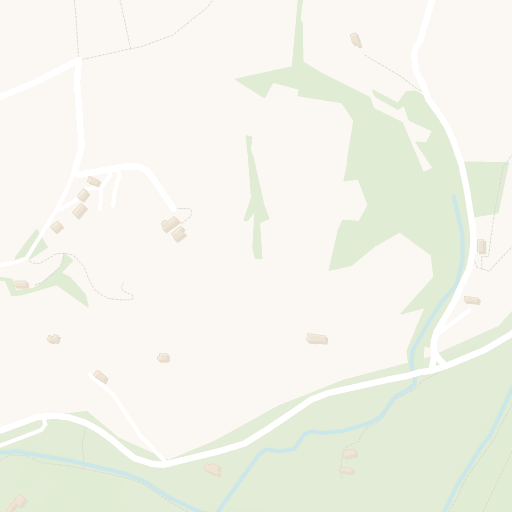
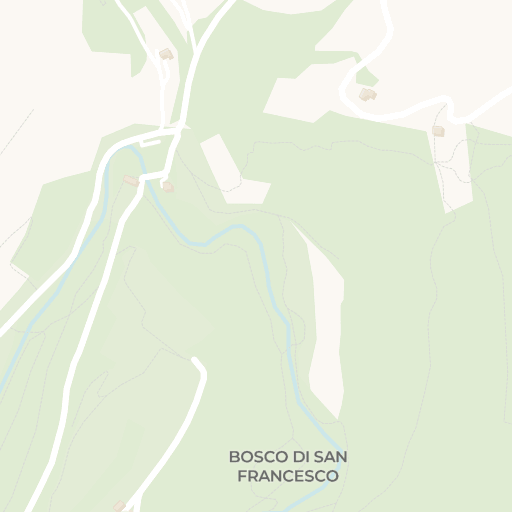
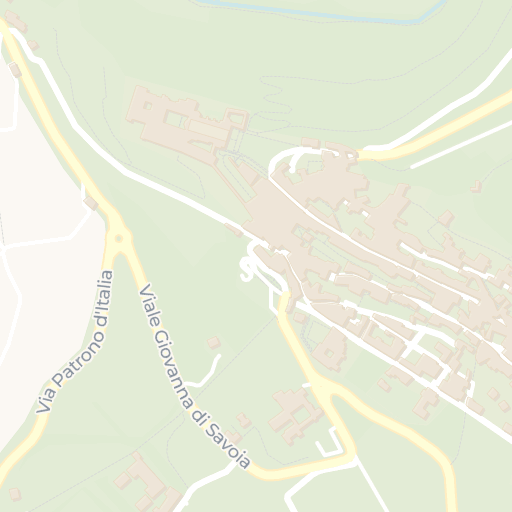
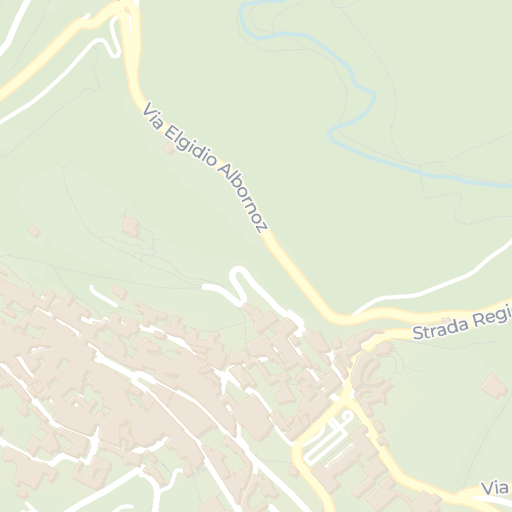
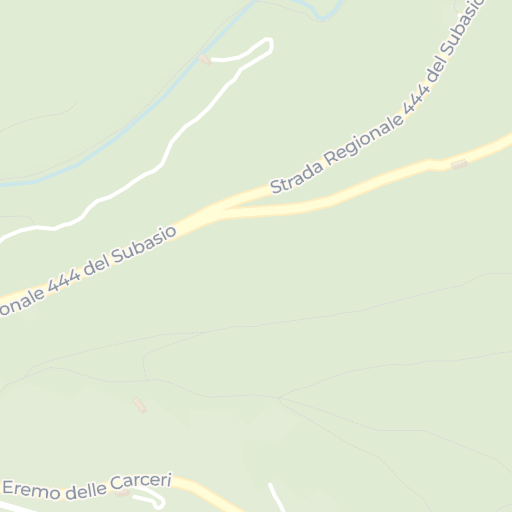
Get directions Open in Apple Maps
© OpenStreetMap contributors · © CARTO · 43.073, 12.6151
Visit responsibly
This fortress is a protected breeding site, and that is not decoration. The Rocca is on the Monumenti Vivi list — the first in Umbria, with the torre del Popolo — because common swifts, bats and other protected species use it for breeding and refuge. Do not put hands or lights into wall cavities, and do not use flash into the vaults of the keep.
Walk up; you cannot drive anyway. Only authorised vehicles may enter the historic centre of Assisi, and the nearest car park is the paid one at Piazza Matteotti, 550 metres away. The climb is the access, for everyone.
Be honest with yourself about the accessibility line. The comune states "not accessible" flatly. There is no lift, the keep is reached by a spiral staircase and the site is a hilltop at 500 metres. Anyone with limited mobility should plan the Pinacoteca Comunale and the Foro Romano instead — both on the same combined ticket, both in the town.
Buy the combined ticket rather than four singles. €14 covers four municipal sites and the audioguide; the money stays with the comune that maintains them, and it is the arrangement that makes the smaller three viable.
Stay on the walkways. What you are walking on is a 1356 rebuilding with additions of 1458, 1478 and 1535 and no modern reconstruction; the wall-walks and the fortified corridor are original surfaces, not engineered paths.