

Villa Barbaro at Maser
Last updated on November 15, 2026Hours verified November 2026
Villa Barbaro at Maser, seven kilometres east of Asolo, is the only surviving building where Andrea Palladio and Paolo Veronese worked together. Palladio built it in the late 1550s for the brothers Daniele and Marcantonio Barbaro; Veronese frescoed the entire interior. It is a UNESCO World Heritage site and still a private house.
Daniele Barbaro was an architectural scholar in his own right — his 1556 edition of Vitruvius was illustrated by Palladio — so this is a house worked out with its patron rather than simply built for him. Marcantonio was a diplomat for the Republic.
Veronese's interior is the reason to come: illusionistic throughout, with painted doors that open onto nothing, figures stepping through doorways, and a huntsman returning from the fields. Behind the house a nymphaeum fed by a spring supplies the garden, and Palladio's last work — the round Tempietto — stands just below, at the roadside.
Challenge to visitors
You cannot photograph the frescoes. The villa asks visitors outright not to, and the frescoes are the reason to come — so this is a place to be looked at rather than captured, which catches people out badly.
The opening calendar is one of the most fragmented in the Veneto. Tuesday to Sunday in summer, weekends only in winter, specific named days in late December and early January, weekends again from mid-February — and a ticket office that closes an hour or more before the villa does.
Wheelchair access needs notice in advance, and the villa's own "accessibilità" page is about its website, not its building — so the one usable fact is buried on the visits page instead.
Visiting tips and strategy
When to go
The frescoed rooms depend on daylight, so a bright day makes a real difference. Spring and early autumn combine good light with the fullest opening calendar.
Winter openings are much reduced and the light is poor -- possible, but not the season to plan a trip around.
Getting the good version
Put your phone away and give the rooms twenty minutes each. Photography of the frescoes is not allowed, which turns out to be the best thing about visiting: Veronese's painted architecture only resolves when you stop framing it and stand where the perspective was built for.
Go out to the Tempietto. It stands apart from the villa by the road and is part of the same visit — Palladio's only church outside Venice and the Veneto cities, and routinely missed by visitors who leave from the garden side.
Come between April and October if you can. That is when it opens six days a week to 18:00; in winter it is weekends only to 17:00, with the ticket office shutting at 16:30.
Book if there are twenty of you — groups are obliged to, on visite@villadimaser.it — and note that any photography request needs twenty days' notice.
What it costs
€12.00 for adults, with the villa stating that reductions start from €5.50. The individual reduced bands are sold through its own ticketing pages rather than published as a table, so no figure between those two is quoted here.
Groups of twenty or more must book, on visite@villadimaser.it — it is a requirement, not a courtesy.
The visit covers the frescoed rooms, the Tempietto and the historic gardens, with a carriage collection among the villa's features.
Enquiries: +39 0423 923004, visite@villadimaser.it. The villa is run by Villa di Maser Srl, Via Barbaro 1, 31010 Maser.
Verified against Villa di Maser (Villa Barbaro), November 2026.
Getting there and getting in
Hours
April to October: Tuesday to Sunday 10:00–18:00, closed Mondays but open on holiday Mondays and bridge days. November to December: weekends 10:00–17:00, plus 27, 29 and 30 December. 2 and 3 January 10:00–17:00; weekends again from 13 February through March. Groups by reservation on other days.
Ticket office
Closes at 17:30 — 16:30 in winter, 19:00 in July. This is earlier than the villa's own closing and is the time to plan against.
Tickets
Adults €12.00, reductions from €5.50. Groups of 20+ must book on visite@villadimaser.it.
Rules
No photography of the frescoes. Photography requests need at least twenty days' notice. Small dogs admitted if carried.
How long
Two hours for the rooms, the Tempietto and the gardens.
Verified against Villa di Maser (Villa Barbaro), November 2026.
Place accessibility
The villa is wheelchair accessible, but only with advance notice — that is the operator's own wording, and it means access here is arranged rather than simply available. Ring +39 0423 923004 or write to visite@villadimaser.it before you come, not on the day.
Do not go looking for this on the "accessibilità" page. That page is a formal declaration about the website's compliance with digital accessibility standards and says nothing at all about the building. The one usable fact sits on the visits page instead.
The frescoed rooms are the destination and they are on one principal floor, which is in the visitor's favour; the Tempietto, however, stands separately down by the road, so reaching it is a separate journey across the grounds.
Not published, and not guessed: step-free entry, thresholds, lifts, the surfaces of the gardens, accessible parking or toilets. What arranging access actually involves is a question only the villa can answer.
Quick facts
- Type: Mansion, Historic Place
- Local name: Villa Barbaro a Maser (vedi la pagina italiana)
- Built: Late 1550s; frescoed c. 1560-61
- Built for: Daniele and Marcantonio Barbaro
- Designed by: Andrea Palladio
- Architectural style: Renaissance
- Palladio and Veronese, once only: The only surviving building where the two worked together. Why they never did so again is unknown.
- Client as collaborator: Daniele Barbaro translated Vitruvius, illustrated by Palladio and published in 1556 -- so architect and patron were writing about architecture while building this.
- UNESCO World Heritage Site: Yes
Where it is
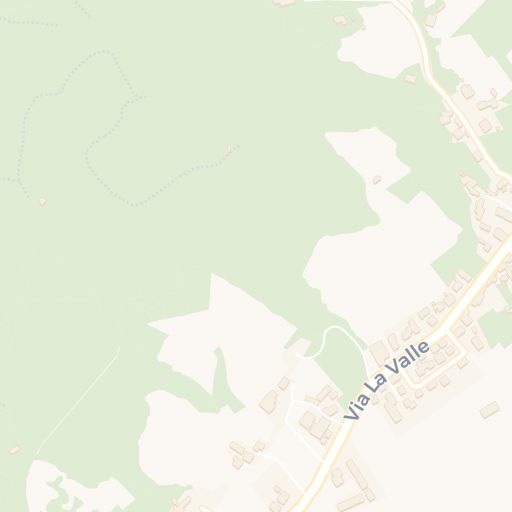
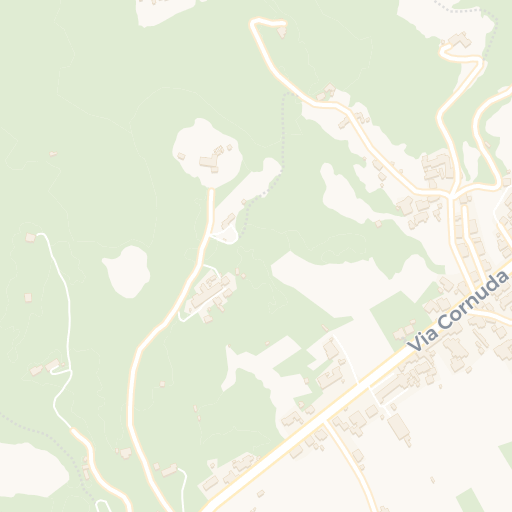
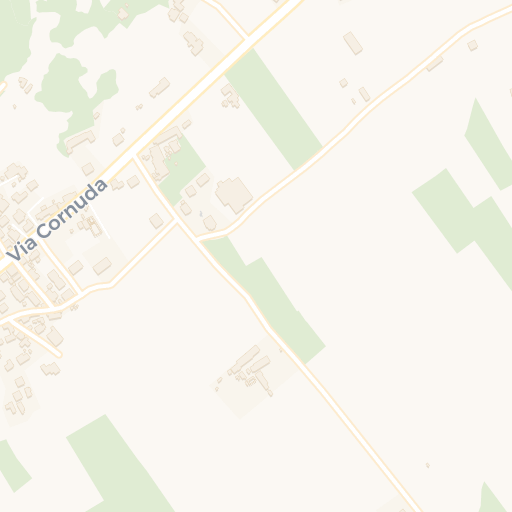
Get directions Open in Apple Maps
© OpenStreetMap contributors · © CARTO · 45.8177, 11.9822
Visit responsibly
The frescoes are sixteenth-century plaster in a house without full climate control, and the restricted days and capped numbers are precisely what has kept them in this condition. Those limits are not an inconvenience to be worked around.
It is a family home and a working estate, not a museum. Ticket income and the estate's wine are what maintain a UNESCO building privately.
Do not touch the walls, and follow the no-flash rule strictly.