

Ponte Vigo
Last updated on November 15, 2026The Ponte Vigo crosses the Vena canal at the northern end of Chioggia, where the canal meets the lagoon, and it is the town's set piece: a single white stone arch with a balustrade, opening onto a small square and the water beyond.
It was built in 1685 in Istrian stone, the same material Venice used, and it replaced a wooden bridge on the same crossing.
On the column at its lagoon end sits a small carved lion of St Mark, which the Chioggiotti call el gato -- the cat -- because it is too small and too domestic-looking to be convincing as a lion. The joke is old and locals will still make it.
Challenge to visitors
The famous lion is tiny, and that is the joke. The lion on the Vigo column is small enough that Chioggia calls it "el gatòn" — the big cat — and visitors who come expecting the lion of the Piazzetta find a cat on a pole.
It is at the far end of the Corso. The bridge closes the main street where the town runs out into the lagoon, so reaching it means walking the length of Chioggia — which is the right way to arrive, but it is a walk.
And it is a bridge, so it is steps. This is the point where the flat town stops being flat.
Visiting tips and strategy
When to go
Early morning is the best time by some distance: the fishing fleet comes in, the canal is busy, and the light is low along the water.
Sunset from the crown of the bridge, looking north across the lagoon, is the other good moment.
Spring and autumn are the pleasant seasons here; July and August bring the beach crowds over from Sottomarina.
Winter is quiet and often foggy, and the bridge with the lagoon disappearing behind it is memorable.
Getting the good version
Arrive along the Corso rather than from the water. The bridge is the full stop at the end of the town's one sentence, and it only reads that way if you have walked the sentence.
Look at the lions on the parapets, not just the column. They are Istrian stone and they are the reason the bridge was faced in marble in 1762 — the column's "gatòn" gets all the attention.
Stand on it and look out. The water opens towards the lagoon and Venice from here, which is the view that explains why Chioggia exists where it does.
Late afternoon, when the fishing boats are coming back and the light is along the channel rather than across it.
What it costs
Nothing. A public bridge at the end of a public street, crossed at any hour.
Nothing on or around it is ticketed. The municipality's own places register lists the town's civic sites and does not include Ponte Vigo among them as a timed or charged place.
The column and its lion are street furniture, standing on the public quay beside the bridge, and cost nothing to look at.
Verified against Comune di Chioggia, November 2026.
Getting there and getting in
Admission: Free
Hours and admission
A public bridge, at all hours, free.
What it is
Built in 1685 and faced in marble in 1762, "ancora orgogliosamente sorvegliato dai leoni in pietra d'Istria" — still guarded by its Istrian stone lions. The Vigo column beside it carries a lion of St Mark known locally as "el gatòn", the big cat.
Where it is
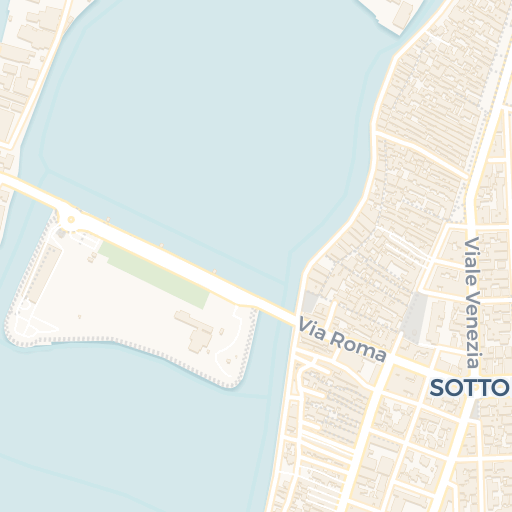
At the lagoon end of Corso del Popolo, where the old town meets the water.
How long
Ten minutes, at the end of the walk down the Corso.
Verified against Visit Chioggia (Comune di Chioggia), November 2026.
Place accessibility
It is a bridge over a canal, and that is the access fact. In a town that is otherwise flat, this is the point where the ground rises and falls — a stone arch between two quays.
Everything worth seeing can be seen from the quay. The lions on the parapets, the marble facing and the Vigo column with its lion all read from the level ground beside the bridge; crossing it is not required to see it.
The approach along the Corso is level for its whole length, so the bridge is the only rise on the walk.
Not published, and not guessed: whether the bridge is stepped or ramped, how many steps if stepped, handrails, or the condition of the quayside. Neither the municipality nor its tourism portal publishes anything about access here.
Quick facts
- Type: Bridge
- Local name: Ponte Vigo (vedi la pagina italiana)
- Admission: Free
- Built: 1685
- Architectural style: Venetian Baroque
- El gato: The lion of St Mark on the bridge’s column is so small that Chioggia has always called it "the cat".
- Built in Venice’s stone: Istrian limestone, shipped down the lagoon -- dense and salt-resistant, and still crisp after three and a half centuries.
Where it is
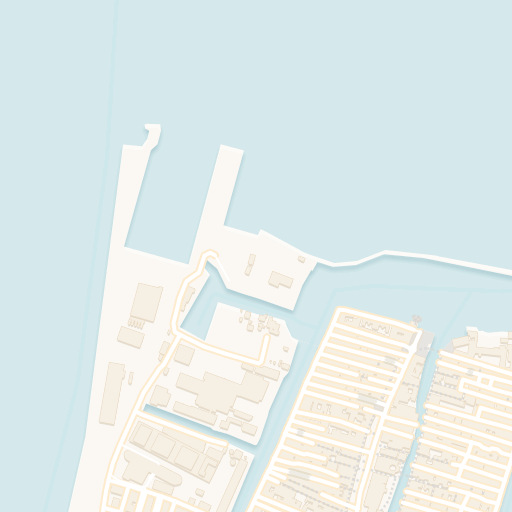
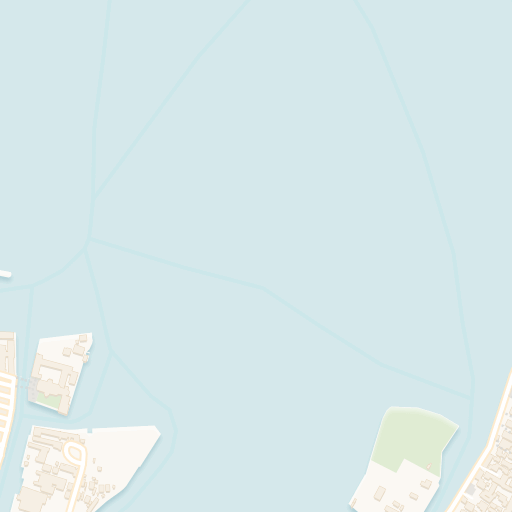

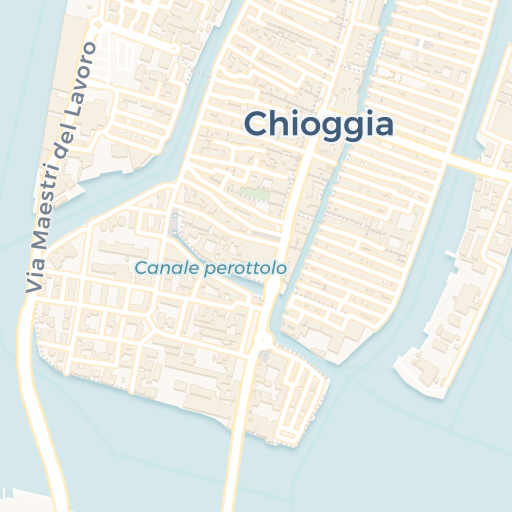
Get directions Open in Apple Maps
© OpenStreetMap contributors · © CARTO · 45.2189, 12.2794
Visit responsibly
This is a working crossing in a working fishing town, not a viewpoint. The quay and the bridge are used by people landing and moving catch, particularly in the early morning -- stand out of the way.
Chioggia gets a heavy day-visitor load in summer from the beaches at Sottomarina, concentrated on exactly this stretch. Coming early or out of season is easier on the town and better for the visit.
Eat and buy locally: this is one of Italy's most important fishing ports, and the fish here is landed a few hundred metres away rather than trucked in.