

Museo Gypsotheca Antonio Canova
Last updated on November 15, 2026Hours verified November 2026
The Museo Gypsotheca Antonio Canova holds the contents of Canova's Roman studio: the plaster models from which his marbles were carved, brought to Possagno after his death in 1822 and housed beside the village house where he was born.
A gypsotheca is a collection of plasters, and this is the largest body of Canova's anywhere. These are not copies of the finished works — they are the originals in the sequence, the full-size models a carver measured from, with the metal reference pins still set into their surfaces.
The collection is displayed in two very different buildings: a long nineteenth-century top-lit hall, and a small white wing added by Carlo Scarpa in 1957 that is among the finest museum interiors in Italy. One ticket covers the museum and Canova's birthplace next door.
Challenge to visitors
They are plaster, and visitors arrive expecting marble. These are the working models, not the finished statues — which are in the Hermitage, the Louvre and the Vatican. Understood the other way round, the collection is better than any of those: it is the inside of the sculptor's process rather than the outside of his results.
It is two buildings and a wing, not one museum. The birth house, the nineteenth-century Gypsotheca and Scarpa's 1950s addition are three different experiences stitched together, and the Scarpa wing is a reason to come in its own right.
And Possagno is not on the way to anywhere. It sits under Monte Grappa well off the main roads, which is why the museum is quiet and why an unplanned visit tends not to happen.
Visiting tips and strategy
When to go
Bright days matter more here than season. Scarpa's wing is lit entirely by daylight and has no artificial lighting of consequence. On a dull day it does not do what it was built to do — and that wing is a large part of why people come.
Late morning is when the corner light in the Scarpa rooms is at its best.
Spring and autumn give the clearest light and the quietest rooms.
Avoid Mondays, when the museum is closed. The Tempio is open, so a Monday in Possagno is not wasted, but it is a much shorter visit.
Summer weekends are the busiest, and the village's limited parking is the first thing to feel it.
Getting the good version
Walk the Gypsotheca twice — once for the sculptures, once for the room. The nineteenth-century hall was built for this collection and lights it from above; the second pass is when you notice what the architecture is doing.
Do not treat the Scarpa wing as the exit. It is the best-regarded modern museum interior in the Veneto outside Castelvecchio, and it comes at the end, where tired visitors hurry.
Pair it with the Tempio, ten minutes up the hill — Canova designed the church and is buried in it, so the museum and the temple are two halves of one visit. Allow a half day for both.
Weekends run an hour longer (to 19:00 against 18:00), and last admission is an hour before closing either way — the number to plan against, not the closing time.
What it costs
€13.00 full, €10.00 reduced — the reduction covering students under 25, visitors from 65, groups of twenty or more, teachers and police.
€5.00 for school parties from primary to secondary, booking obligatory. €25.00 for a family: two adults and any number of under-18s.
Free for members of the museum, for children under six, for registered journalists, for ICOM members, for residents of Possagno, and for disabled visitors together with their companions.
Bookings and enquiries: +39 0423 544 323 (offices Tuesday to Friday 9:30–17:30) or posta@museocanova.it.
Verified against Fondazione Canova (Museo Gypsotheca Antonio Canova), November 2026.
Getting there and getting in
Hours
Tuesday to Friday 9:30–18:00; Saturday, Sunday and holidays 9:30–19:00. Last admission one hour before closing. Closed Mondays, Christmas Day, 1 January and Easter, and closed until 14:00 on 2 September.
Tickets
€13.00 full, €10.00 reduced, €5.00 schools, €25.00 family. Free for under-6s, Possagno residents, journalists, ICOM members and disabled visitors with companions.
Where it is
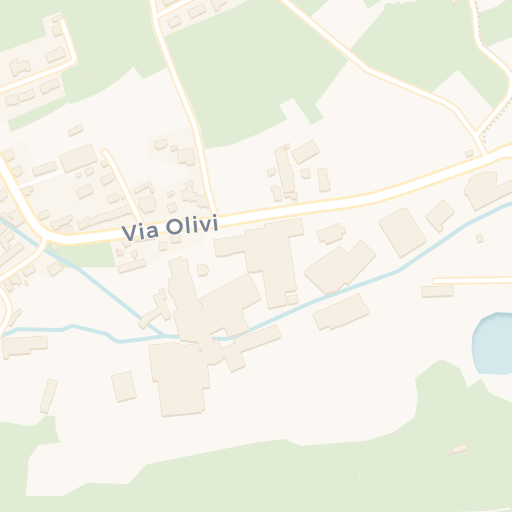
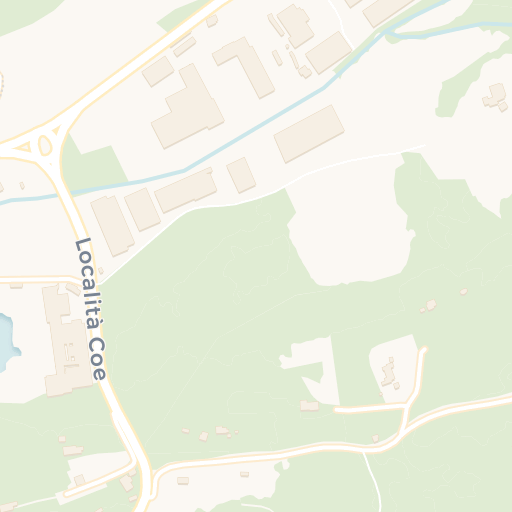
Via Canova 74, 31054 Possagno (TV), under Monte Grappa. Bookings on +39 0423 544 323 or posta@museocanova.it.
How long
Two hours for the house, the Gypsotheca and the Scarpa wing; a half day with the Tempio.
Verified against Fondazione Canova (Museo Gypsotheca Antonio Canova), November 2026.
Place accessibility
This museum publishes more real access detail than any other in the Veneto rollout, and it is worth reading before you travel rather than after.
There are two steps into the ticket office and two more from there into the museum — but staff will give direct access through the main entrance on Piazza Canova instead, and a wheelchair or pushchair can come in by that main door. Ask rather than assume.
There is no lift, and two flights link the floors of the birth house. The nineteenth-century Gypsotheca — the main hall and the reason most people come — is freely accessible; the Scarpa Wing has two steps.
Adapted toilets are on the ground floor, reached across the museum garden. Parking is free in the piazza for up to 120 minutes and unrestricted in the nearby streets.
And it is not only about wheels. There are tactile tours built round the tactile bust of Hebe and four more busts in the teaching workshop, and Braille and large-print information can be downloaded in advance or collected at the ticket office.
Quick facts
- Type: Museum, Building, Historic Place
- Local name: Museo Gypsotheca Antonio Canova (vedi la pagina italiana)
- Built: 1836; Scarpa wing 1957
- Designed by: Francesco Lazzari; Carlo Scarpa (1957 wing)
Where it is
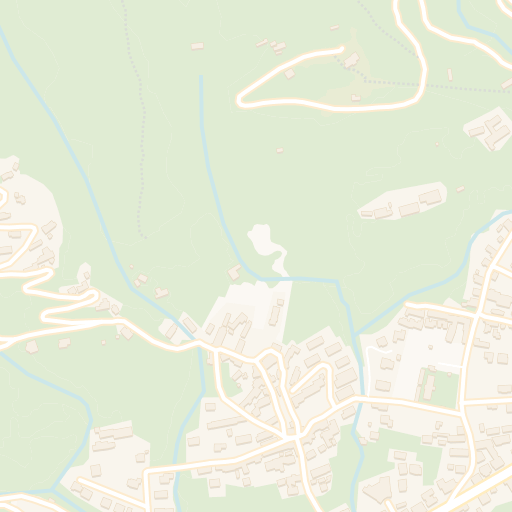
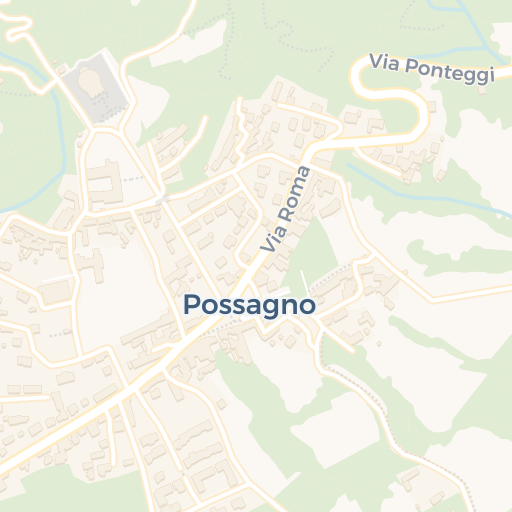
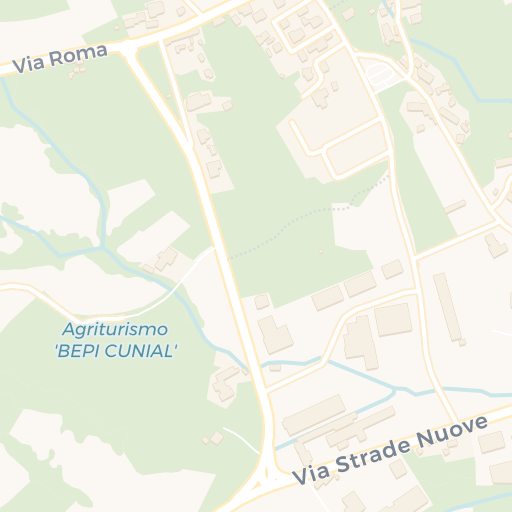
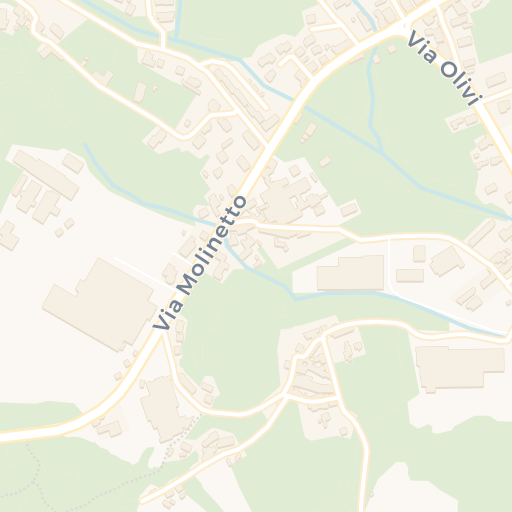
Get directions Open in Apple Maps
© OpenStreetMap contributors · © CARTO · 45.8517, 11.8842
Visit responsibly
Plaster is far more fragile than marble, and these are the artist's own working originals rather than reproductions. In places the models stand at floor level without barriers — that is part of Scarpa's design, and it depends on visitors behaving accordingly.
Do not touch anything. Keep bags in front of you rather than on your shoulder, particularly in the narrow Scarpa rooms.
No flash anywhere in the Gypsotheca.
The museum is the village's largest employer and the main reason visitors come at all. Buying the ticket rather than only walking up to the free church is, in a direct sense, what keeps the collection maintained.