

Basilica Palladiana
Last updated on November 10, 2026The Basilica Palladiana is the building that made Andrea Palladio's name. It is not a church: it is Vicenza's medieval town hall, which by 1500 was structurally failing, wrapped from 1549 in a two-storey white marble loggia that solved the engineering problem and produced one of the defining facades of the Renaissance.
Challenge to visitors
It is shut as this is written, and that is normal here. The Basilica Palladiana is an exhibition venue inside a monument: the operator records it as closed from 27 October to 13 November 2026, reopening on 14 November with an exhibition running to 2 May 2027. Between shows the great hall closes, so the question is always what is on.
The outside is free and the inside is not. Most visitors want the loggias and the arcade, which cost nothing and can be walked at any hour. The ticket buys the Salone and whatever is installed in it — worth being clear about before paying.
And the terrace is a separate thing again. Evening access to the terrace runs through the bar, on its own seasonal season ticket, not on the museum admission.
Visiting tips and strategy
When to go
Late afternoon, when low sun crosses the loggia and the shadows make the depth of the arcade legible -- flat midday light collapses it. The building is floodlit at night and is genuinely worth a second visit after dark.
Exhibition seasons determine access to the interior; the loggia itself is available year-round in any weather, being covered.
Getting the good version
Check the exhibition calendar first. Between shows the hall is closed, and the current closure runs to 13 November 2026 — after which "Italia Germania. Pittura e scultura tra Ottocento e Novecento. Da Canova a Kiefer" runs until 2 May 2027.
Walk the upper loggia before you look at anything else. It is the reason the building is famous: standing inside the marble screen you see how the arches were sized to hide an irregular medieval structure behind a perfectly regular rhythm.
Buy the museum card if Vicenza is a day rather than a stop. The civic card covers this, the Teatro Olimpico and Palazzo Chiericati, which are a single walk along Corso Palladio — and one ticket desk here sells every type.
Come back at dusk. The terrace opens in the evening during bar hours on a separate seasonal ticket, and the view over the Piazza dei Signori from it is the best in the city.
What it costs
€6.00 full, €4.00 reduced, on a single ticket valid for one day from the date of purchase. School groups pay €2.00, and a further reduced band is €1.00.
Free for people with disabilities and their companions, for teachers accompanying school groups, for ICOM members on production of a document, and for tourist guides on the national register accompanying a group or visiting for study.
A €10.00 season ticket covers evening admission to the terrace during the bar's opening hours, with seasonal validity — a separate arrangement from the museum ticket.
The civic museum cards are the better buy for a day in Vicenza, covering this with the Teatro Olimpico and Palazzo Chiericati. Reservations are required for groups.
Getting there and getting in
Current status
Closed from 27 October to 13 November 2026. It reopens on 14 November 2026 with "Italia Germania. Pittura e scultura tra Ottocento e Novecento. Da Canova a Kiefer", running to 2 May 2027. The operator notes that this schedule can change with the progress of installation work.
Tickets
€6.00 full, €4.00 reduced, €2.00 school, €1.00 further reduced; valid one day from purchase. Free for people with disabilities and their companions, ICOM members and registered tourist guides. A separate €10.00 seasonal ticket covers evening terrace access during bar hours.
Where to buy
There is a ticket office at the Basilica selling every ticket type, including the cards that also cover the Teatro Olimpico and Palazzo Chiericati.
The outside
The arcade and loggias are open ground and cost nothing — worth the walk even when the Salone is between exhibitions.
How long
An hour with an exhibition on, twenty minutes for the loggias alone.
Place accessibility
People with disabilities and their companions are admitted free, published in the civic museums' own list of free categories.
The operator keeps a dedicated accessibility page for this venue, separate from its visiting information — the Vicenza civic museums publish an accessibility page per site rather than one blanket statement, which is better practice than most of the Veneto manages.
The ground-level arcade is open, free and level, running the full way round the building. Whatever the arrangements upstairs, the colonnade that makes this building famous can be walked without a ticket and without a climb.
Worth confirming before travelling: how the Salone and the upper loggia are reached, since the exhibition hall is above the arcade. The venue is also closed until 14 November 2026, so any enquiry should be timed around the reopening.
Quick facts
- Type: Historic Place, Building
- Local name: Basilica Palladiana (vedi la pagina italiana)
- Built: 1549-1614
- Designed by: Andrea Palladio
- Architectural style: Renaissance
- Palladio's first public commission: Won in 1549 after decades of failed proposals by Sansovino, Serlio, Sanmicheli and Giulio Romano; it made his reputation.
- The Palladian window: The repeated arch-and-columns module here, the serliana, absorbs the crooked medieval bays behind it and is now named after him.
- UNESCO World Heritage Site: Yes
Where it is
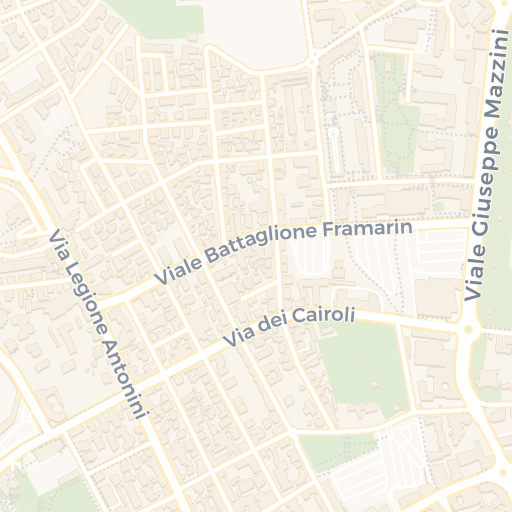
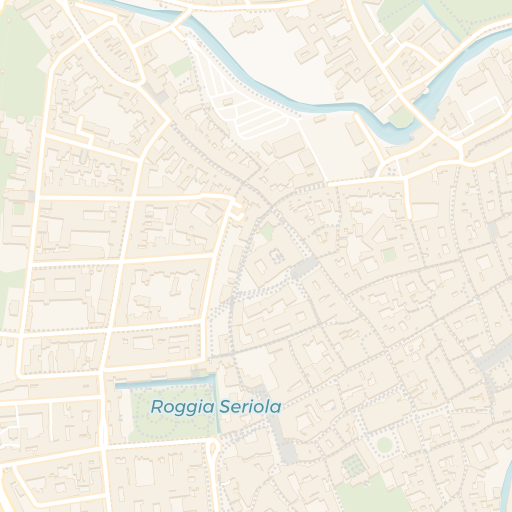
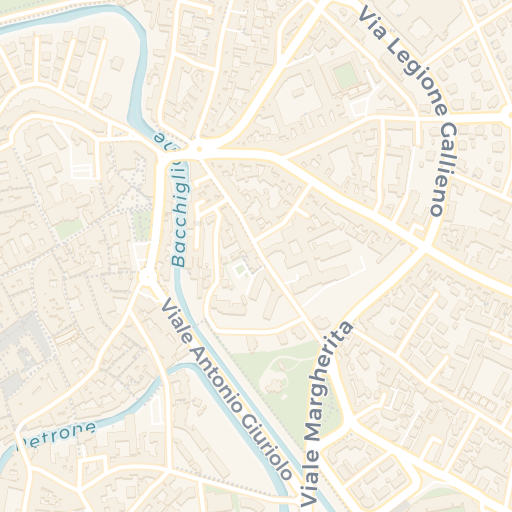
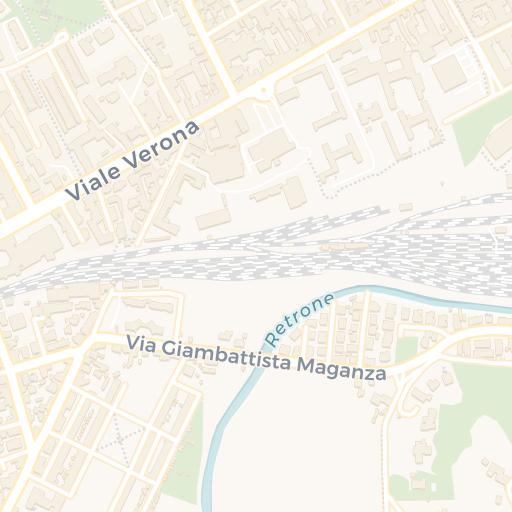
Get directions Open in Apple Maps
© OpenStreetMap contributors · © CARTO · 45.547, 11.546
Visit responsibly
This is a rebuilt building, not a surviving one -- the roof and much of the interior date from after 1945 -- and the ticket income from the upper floor pays for maintaining that reconstruction.
The ground loggia is a public passage that Vicentines use daily, and the terrace fills with people in the evening; treating it as a thoroughfare rather than a monument is closer to what it has always been.