

Villa La Rotonda
Last updated on November 10, 2026Villa Almerico Capra, known everywhere as La Rotonda, stands on a low hill just outside Vicenza: a perfectly symmetrical house with four identical temple porticoes, one on each side, around a domed circular hall. It is the most imitated private building in the world, and the direct ancestor of Chiswick House, Monticello and a great many others.
Palladio began it in 1566 for Paolo Almerico, a churchman retiring from the papal court to his own city. It was never a working farm — there are no barns and no estate buildings, because this was built as a hilltop retreat rather than the centre of an agricultural holding. That is the reason for the symmetry: the site has a view on every side, so every side got the same front.
Each portico faces a different quarter of the compass and takes the sun at a different hour of the day. Vincenzo Scamozzi finished the building after Palladio's death in 1580, and the dome as built is shallower than the higher profile Palladio had drawn for it.
Challenge to visitors
The Piano Nobile is not wheelchair accessible, which the owners state plainly. The interior is reached by one of the four flights of steps, and there is no alternative route.
The opening days are narrow and it is still privately lived in. The published visit page gives Saturday and Sunday mornings and afternoons, with a split over lunch — this is a family house that admits visitors, not a museum, and the calendar is worth reading rather than assuming.
And the dome is the quietest room in it. Visitors who come for the famous exterior sometimes treat the inside as an afterthought; the central hall under the dome is the whole architectural argument and takes five unhurried minutes to register.
Visiting tips and strategy
When to go
The opening season runs roughly mid-March to early November, and outside it the interior is closed. Within that, spring and early autumn give the best light and the most comfortable walk out from the city.
Mornings are quieter. The building faces every direction, so unlike most buildings there is no wrong time of day for the light -- one facade is always well lit.
Getting the good version
Walk round the outside before you go up. The whole point of the building is that the four fronts are the same, and that is a claim you can only test on foot — one slow circuit, stopping at each portico, does more than any room inside.
No booking needed for ordinary visits. The owners take cash and cards at the entrance, and the ticket office closes fifteen minutes before the building does — so the last quarter hour is not available to arrive in.
The €15.00 ticket covers the exterior, the Piano Nobile and the nineteenth-century Boschetto Romantico, which most visitors skip. It is a wooded garden walk and it is where the house is best seen from.
Pair it with Villa Valmarana ai Nani, ten minutes away on foot across the hill — two Palladian-era houses that could not be less alike, and the walk between them is part of why people come out here.
What it costs
€15.00 per person for the full ticket, covering the exteriors, the Piano Nobile and the nineteenth-century Boschetto Romantico.
€10.00 for young people aged 10 to 18 accompanied by a parent.
€5.00 for visitors with certified disability up to 80%.
Free for all children under 10; for a third child under 19 accompanied by a parent; for Italian and foreign guides on production of a guide card; and for visitors with certified disability from 80% to 100%.
No booking is needed for ordinary visits. Cash and cards are accepted at the entrance, and the ticket office closes fifteen minutes before the villa does.
Getting there and getting in
Hours
The operator's visit page publishes Saturday and Sunday, 10:00–12:30 and 14:30–17:00. It does not give a weekday schedule on that page, so check the calendar before planning a weekday visit.
It opens on these national holidays: Easter Monday, 25 April, 1 May, 2 June, 15 August and 1 November. It is closed at Easter, on 25, 26 and 31 December, and on 1 and 6 January.
Tickets
€15.00 full; €10.00 ages 10–18 with a parent; €5.00 disability up to 80%; free under 10, for a third child under 19 with a parent, for guides, and for disability from 80%. No reservation needed; cash and cards taken at the door. The ticket office closes 15 minutes before the villa.
How long
An hour — a circuit of the four fronts, the domed hall, and the Boschetto Romantico, which is included and routinely missed.
Place accessibility
The Piano Nobile is not accessible to wheelchairs. The owners state it in exactly those words on their visit page, without qualification. The interior is reached by one of the four flights of steps and there is no lift or alternative entrance.
The concession structure acknowledges this rather than papering over it. Visitors with certified disability up to 80% pay €5.00, and those certified from 80% to 100% enter free — so the house does not charge full price for a visit it knows is partial.
What is reachable is the part the building is famous for. The four porticoes and the setting are seen from outside, on the approach and from the Boschetto Romantico, and that is the argument the house exists to make — the interior is a single domed hall, remarkable but secondary.
Not published, and not guessed: the surface of the approach and of the Boschetto paths, and whether any of the porticoes can be reached without steps. The villa answers at info@villalarotonda.it.
Quick facts
- Type: Mansion, Historic Place
- Local name: Villa La Rotonda (vedi la pagina italiana)
- Built: 1566-1591
- Built for: Paolo Almerico
- Designed by: Andrea Palladio; completed by Vincenzo Scamozzi
- Architectural style: Renaissance
- Four identical fronts: The only Palladian villa built with all four porticoes; the hilltop site has no principal view to face, so every side is the front.
- The most imitated private house: Published in I quattro libri in 1570 before completion, which is how it reached Inigo Jones, Chiswick House and Jefferson's Monticello.
- UNESCO World Heritage Site: Yes
Where it is
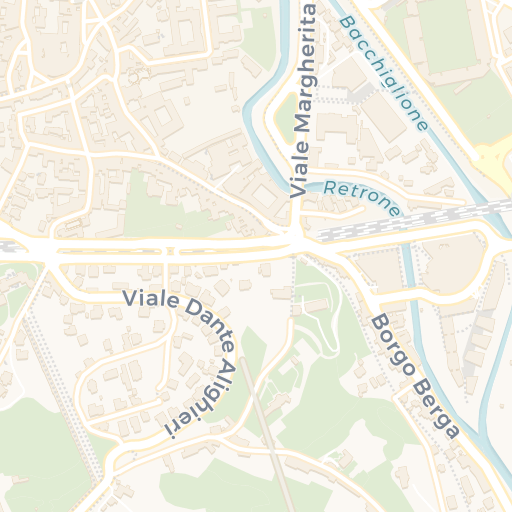
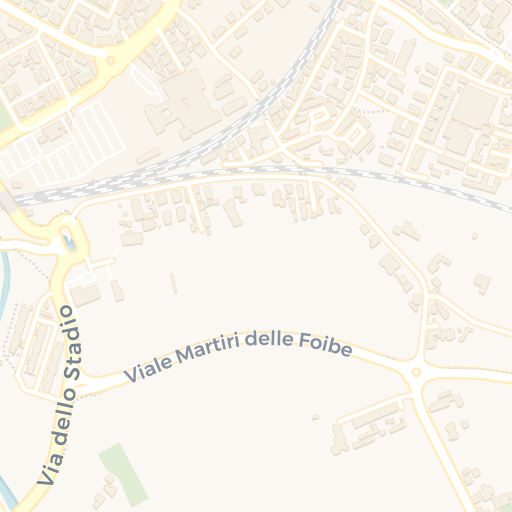
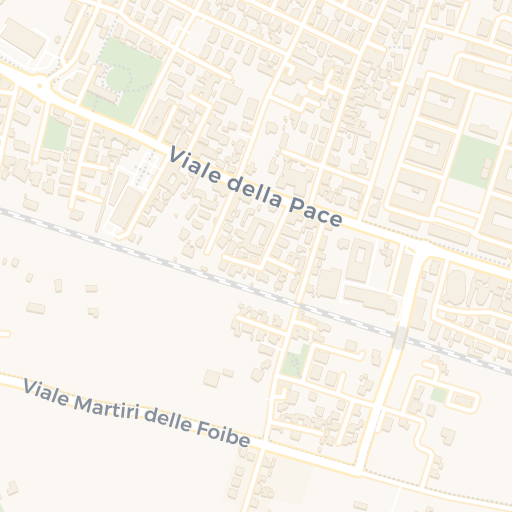
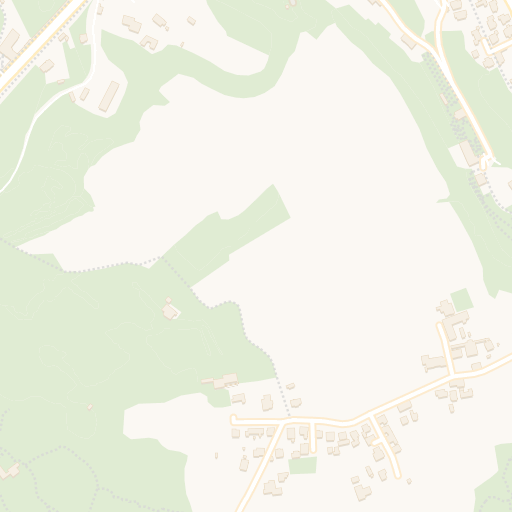
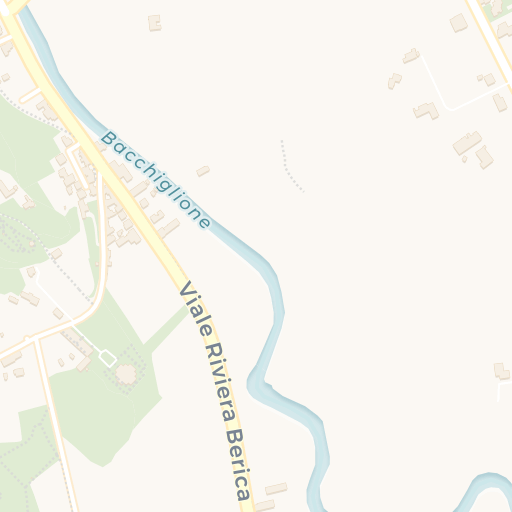
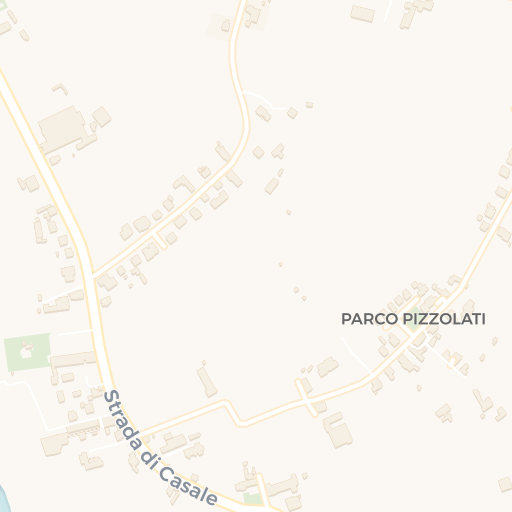
Get directions Open in Apple Maps
© OpenStreetMap contributors · © CARTO · 45.5352, 11.5626
Visit responsibly
This is a family home that opens to visitors, not a museum that happens to be privately held. The restricted days are real domestic constraints, and turning up outside them achieves nothing.
Paying for the interior as well as the grounds matters more here than at a state museum: private maintenance of a UNESCO building is funded almost entirely by those tickets.
The approach is through working farmland; stay on the marked path rather than cutting across the fields.