

Villa Valmarana ai Nani
Last updated on September 7, 2026Overview
Villa Valmarana ai Nani is a modest eighteenth-century house on the hill below La Rotonda, and it holds one of the great fresco cycles in Europe. In 1757 Giambattista Tiepolo painted the main villa with scenes from Homer, Virgil, Ariosto and Tasso, while his son Giandomenico painted the guest wing with peasants, carnival scenes and Chinese fantasies -- the two of them, father and formal, son and earthbound, working within metres of each other.
Quick facts
- Type: Mansion, Historic Place
- Local name: Villa Valmarana ai Nani (vedi la pagina italiana)
- Built: 1660s; frescoed 1757
- Built for: Giustino Valmarana
- Two Tiepolos, father and son: Giambattista frescoed the main villa with Homer, Virgil, Ariosto and Tasso in 1757; his son Giandomenico painted the guest wing with peasants and carnival scenes.
- The seventeen dwarves: Stone figures along the garden wall give the villa its name, wrapped in an invented local legend.
- UNESCO World Heritage Site: Yes
Visit responsibly
The frescoes are on plaster in rooms with no full climate control, and the visitor rules -- no flash, no touching, limited group sizes -- are what has kept them legible for 270 years.
It is a private house maintained by the family that owns it; ticket income is the maintenance budget, and there is no state museum behind it.
Walking or taking the bus up rather than driving matters here: the lane to the villa is narrow, residential and not built for visitor traffic.
Where it is
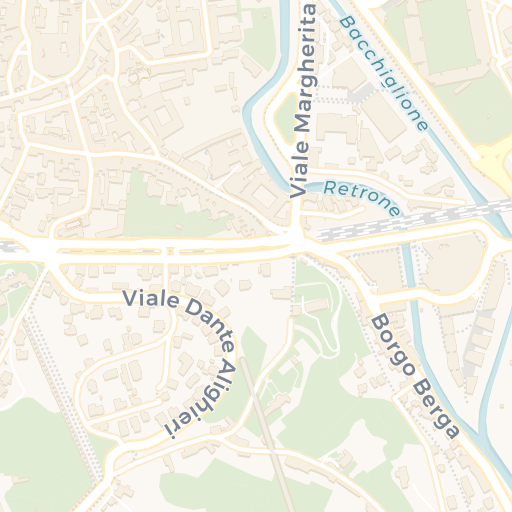


Get directions Open in Apple Maps
© OpenStreetMap contributors · © CARTO · 45.5372, 11.5601
Plan your visit
Privately owned and ticketed, with a seasonal calendar -- generally open March to early November, with reduced winter access. Both buildings are covered by one ticket and the gardens are included.
Photography inside is restricted to protect the frescoes. Allow an hour and a half; the rooms are small and reward standing still in them.
Combining it with La Rotonda in one afternoon works well, but check both calendars -- their opening days do not always coincide.
When to visit
The frescoed rooms are lit largely by daylight through small windows, so a bright day genuinely improves the visit and a dark winter afternoon genuinely diminishes it.
Spring and early autumn are best overall: the gardens are open, the walk up from the city is pleasant, and the full opening season is running.