

Roman Forum
Last updated on October 8, 2026Why visit Roman Forum
The draw
Every palace in Europe is named after this hill. Turismo Roma makes the point exactly: the imperial residences on the Palatine produced such an identification that the toponym Palatium has become, in modern languages, a synonym for a residential building. Palace, palazzo, palais, Palast — all of it is this slope, where Augustus symbolically chose to live and where the Domus Flavia and Domus Augustana followed.
And the Forum below is where the Senate started. The reference work traces the Republic's Comitium back to archaic shrines — the Umbilicus Urbis and the Vulcanal — and says plainly that this was where the Senate, as well as Republican government itself, began. For centuries it was the site of triumphal processions and elections, the venue for public speeches, criminal trials and gladiatorial matches, and it has been called the most celebrated meeting place in the world, and in all history.
The friction
It is a ruin field and it does not explain itself. There is no façade to look at and no single object to stand in front of: the reference work calls it a sprawling ruin of architectural fragments and intermittent archaeological excavations, and 4.5 million or more people a year walk through it.
And you only get in once. Turismo Roma warns that the Forum and the Palatine are one archaeological area and that the same ticket will not readmit you.
The tactic
Look at it from above before you pay to walk in it. From the Capitoline side the whole length is visible for nothing, and ten minutes up there turns a field of stumps into a plan you can then walk.
Then do the Palatine second, not first. The hill is the viewpoint and the shade, and you will want both at the end rather than the start — and since you cannot leave and come back, the order inside the fence is the only ordering decision you get.
And read the Forum as a sequence of outgrowings. A marsh drained from the end of the 7th century BC; political, religious and commercial buildings; then the civil basilicas of the 2nd century BC for the courts; then — already by the end of the Republic — a space insufficient for the job, after which emperors added only monuments of prestige. The last of all is a single column raised in 608 AD for a Byzantine emperor, nine hundred years after the drainage.
Skip it if you:
- Need buildings rather than foundations. Almost nothing here has a roof.
- Only have an hour. You cannot leave and return, so a short visit is a wasted ticket.
- Are arriving near last entry. It moves four times a year and is up to an hour before closing.
Quick facts
- Type: Site Complex, Ruins, Historic Place, Roman
- Visitor access: Open to visitors
- Admission: €18
- Reservation: Not required — tickets on the door
- Typical visit: About 2 hours
Visit responsibly
This is an excavation that is still being excavated. The reference work describes the site as a sprawling ruin of architectural fragments and intermittent archaeological excavations. Roped areas are working areas, not crowd management.
4.5 million or more people come here every year, on surfaces that are the original paving in places. Staying on the marked routes is the difference between a road lasting another century and not.
The no-re-entry rule has a consequence people do not think about. Because you cannot leave and come back, visitors arrive under-provisioned and then look for somewhere inside to sit, eat and shelter. Bring water and a hat; the site is not equipped to be a picnic ground and the stones are the exhibit.
Do not climb on anything. Column drums, wall stubs and the paving of the Via Sacra are all original fabric, and much of what looks like rubble is catalogued.
The Palatine's painted rooms are the fragile part. Interiors like the Casa dei Grifi survive with exceptional painted and floor decoration precisely because access to them is limited; where it is restricted, that is why.
Where it is
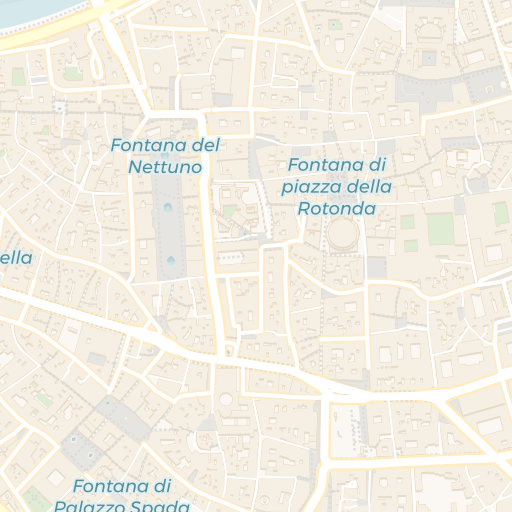
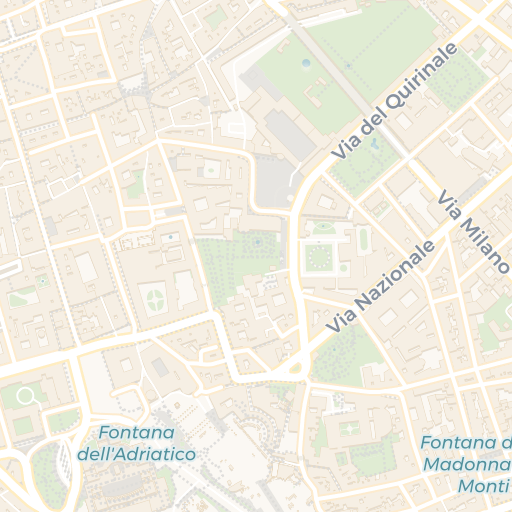
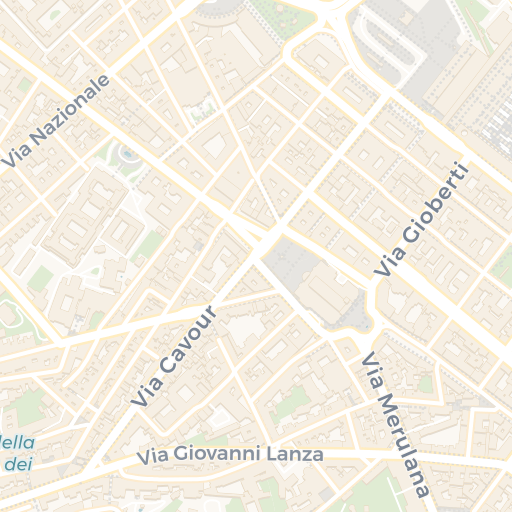
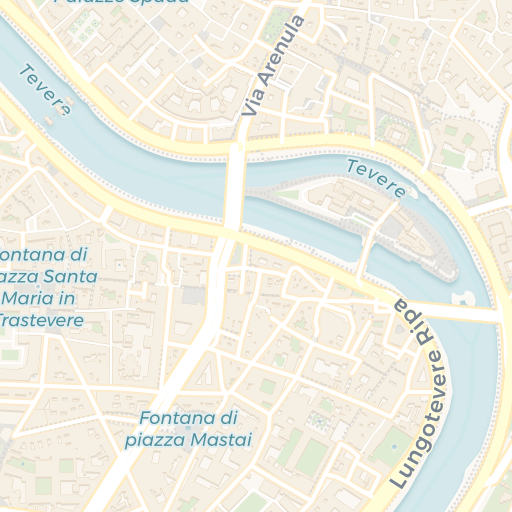
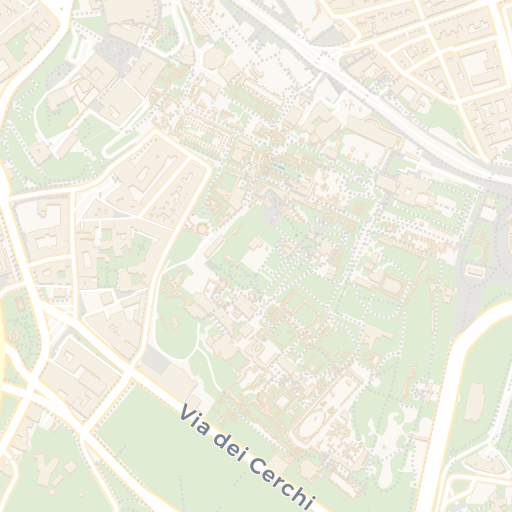
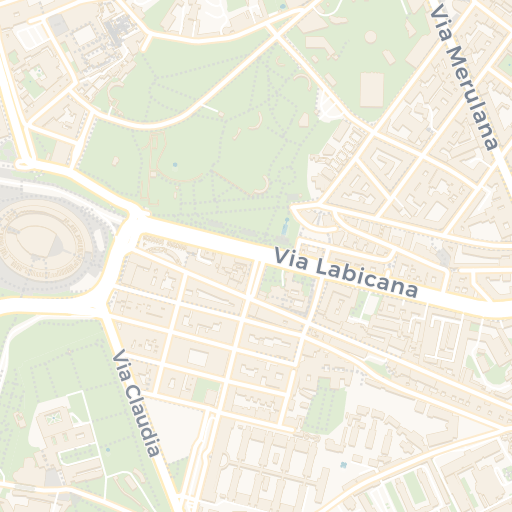
Get directions Open in Apple Maps
© OpenStreetMap contributors · © CARTO · 41.89164, 12.48673
Plan your visit
Admission: €18 · Combined ticket with the Colosseum and Palatine Hill
Best viewpoint: From the Capitoline terrace behind Palazzo Senatorio, looking down the whole length of the Forum.
The rule that decides your day
The Roman Forum and the Palatine are one archaeological area, and your ticket admits you once. Turismo Roma states it plainly: once you have entered the area, it is no longer possible to enter it a second time using the same ticket. Leaving to find lunch, or stepping out at the Arch of Titus to look at the Colosseum, ends the visit. Bring water and go in when you are ready to stay in.
Hours, in four seasonal bands
- 1–28 March — 09.00 to 17.30, last entry 16.30
- 29 March–30 September — 09.00 to 19.15, last entry 18.15
- 1–24 October — 09.00 to 18.30, last entry 17.30
- 25 October–28 February — 09.00 to 16.30, last entry 15.30
Closed 25 December and 1 January.
Admission — and why no price appears here
Turismo Roma publishes the hours, the gates and the services for this site but no admission price, and the park's own ticketing hosts are not reachable from here. So this page quotes no figure. An earlier version of it said tickets cost EUR 12 and covered the Colosseum as well; that figure was unsourced and the arrangement has since changed. Book by telephone on 06 21115843 or through the park's online ticketing, and check the price there.
What is free
Nothing inside the fence is free, and that is worth saying plainly — this is a ticketed archaeological park, not an open square. What costs nothing is the part most people miss: the Forum is visible, and legible, from above. The ground along the Capitoline side looks straight down the length of it, and the view from there costs nothing and needs no ticket.
Also free: the gates themselves have no ticket office — Turismo Roma lists the entrances as the Arch of Titus, the Vignola gate on Via di San Gregorio, Largo della Salara Vecchia and the Mamertine Prison — so buying before you arrive is not a convenience, it is the arrangement.
Ticket & Pass Decision Matrix
| Option | Cost | What it gets you | Queue and booking | Verdict |
|---|---|---|---|---|
| Standard park ticket | Not published by Turismo Roma; the park's own sites are unreachable from here | The Forum and the Palatine as one area | Online through the park's ticketing, or by phone on 06 21115843. The gates have no ticket office. | The default. Buy before you go — there is nowhere to buy at the gate. |
| Re-entering later the same day | — | Nothing | Not possible | The single most expensive mistake here. One entry per ticket, for both sites together. |
| Viewing from the Capitoline side | Free | The whole length of the Forum from above, no fence | None | The honest free option, and the best orientation before you pay to go down into it. |
| Roma Pass | Nothing citable | Turismo Roma publishes no Roma Pass arrangement for this site | Not bookable as a pass entry on its page | Check at the point of sale rather than planning around it. |
| Arriving after last entry | — | Nothing | Last entry is 45 to 60 minutes before closing, and moves four times a year | Check which band the date falls in before travelling. |
Services
Turismo Roma lists guided visits in languages, audioguides in languages, a bookshop, toilets for disabled visitors and accessibility for disabled visitors.
How long
Two to three hours for both, which is also the only sensible plan given that you cannot leave and come back.
Verified against Turismo Roma, October 2026.
When to visit
Open at 09.00 and go in then, because you only get one entry. Turismo Roma's rule is absolute — the Forum and the Palatine are one archaeological area and the same ticket will not readmit you — so the visit has to be planned as a single continuous block, and the first block of the day is the coolest and emptiest.
Check which of the four seasonal bands your date falls in. Closing moves between 16.30 and 19.15, and last entry is 45 to 60 minutes earlier: 16.30 in deep winter, 18.15 from late March to the end of September. Arriving at four in January is arriving after the gate has shut.
Avoid the middle of a summer day. This is an unshaded valley of stone with 4.5 million or more visitors a year passing through it, and the Palatine's shade is at the far end of the route.
Late afternoon in spring and autumn is the best light. The Forum runs east–west, so low sun comes down its length rather than across it, and the arches at either end catch it.
Closed 25 December and 1 January.