

Ostia Antica
Last updated on October 11, 2026Why visit Ostia Antica
Ostia is the Roman city you can still walk through. Rome buried its own ordinary buildings under two thousand years of rebuilding; Ostia was abandoned, silted over and covered by dunes, and the sand preserved it to a degree the source puts behind only Pompeii and Herculaneum. What survives is not a monument but a working port town -- apartment blocks with staircases to the upper floors, bars with marble counters, warehouses, latrines, eighteen Mithraea and the earliest synagogue yet identified in Europe.
The friction is scale and shade. The walled city covers about 69 hectares, roughly two-thirds of the ancient town is still unexcavated, and the standing remains are brick and tuff with very little roof. Treat it as a half-day walk rather than a monument visit: follow the decumanus maximus from the Porta Romana to the forum, turn off into the insulae on either side, and keep the Museo Ostiense on site for the end, when you want to sit down.
Visit if you:
- want to see Roman domestic and commercial architecture standing at full height
- are interested in how an ancient city was actually planned and used
- prefer a large site you can wander without a fixed route
- want Pompeii-grade preservation within reach of Rome
Skip it if you:
- want marble temples and statuary rather than brick apartment blocks
- cannot manage a few hours of walking on uneven ancient paving
- need extensive shade and shelter in high summer
Quick facts
- Type: Site Complex, Ruins, Roman
- Local name: Ostia Antica (vedi la pagina italiana)
- Built: Oldest visible buildings 3rd century B.C.; the standing city largely 1st-3rd century A.D.
- Built for: Rome's port at the Tiber mouth and the administrative centre of its grain supply
- Architectural style: Roman -- Republican tuff masonry overbuilt in imperial brick-faced concrete
- Size: 69 ha
- Peak population: About 50,000 in the 2nd century A.D.
- Still unexcavated: An estimated two-thirds of the ancient town
Visit responsibly
Ostia was quarried for centuries -- its marble went into the palazzi of Rome -- and the organised digging that followed was not much gentler. Papal excavations for sculpture began under Pius VII, and the massive campaigns of 1939-42 under Mussolini uncovered a great deal of the Republican city at speed before the war stopped them. The site you walk through is the product of that history, which is part of why the remaining unexcavated two-thirds are being left alone.
That restraint is deliberate and worth respecting. Areas adjacent to the original excavations were left undisturbed to await more precise dating of Roman pottery, and recent work has been targeted rather than broad: a 2014 magnetometry survey identified a walled enclosure with three massive warehouses on the north side of the Tiber without digging it, and a 2025 excavation uncovered what may be the oldest Jewish ritual bath found outside Israel. Keep to the marked routes, do not climb on walls or mosaics, and leave pottery and tesserae where they lie.
Getting there by rail rather than car is both easier and better for the site. The remains are brick, tuff and plaster with very little roof, and they are vulnerable to exactly the kind of wear that heavy footfall and vehicle access produce.
Where it is
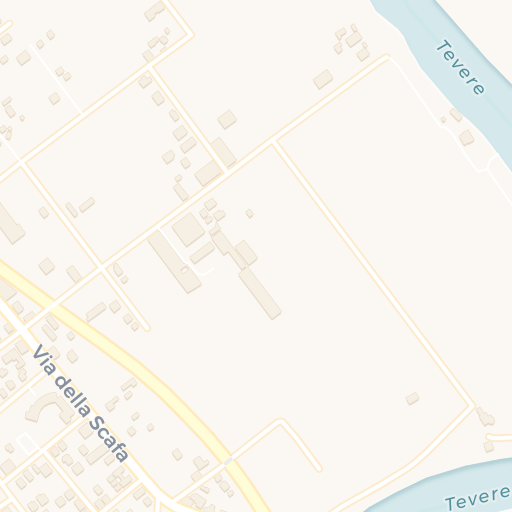
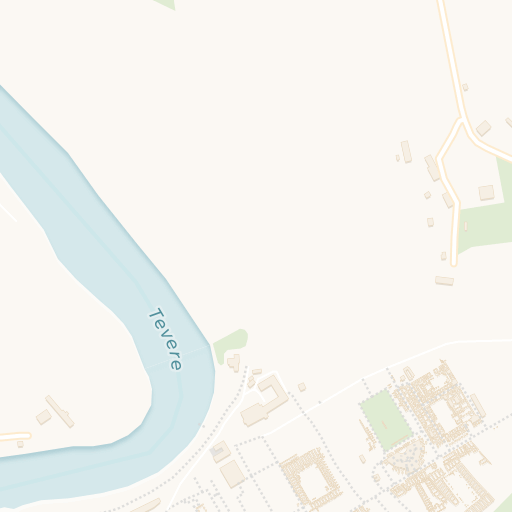
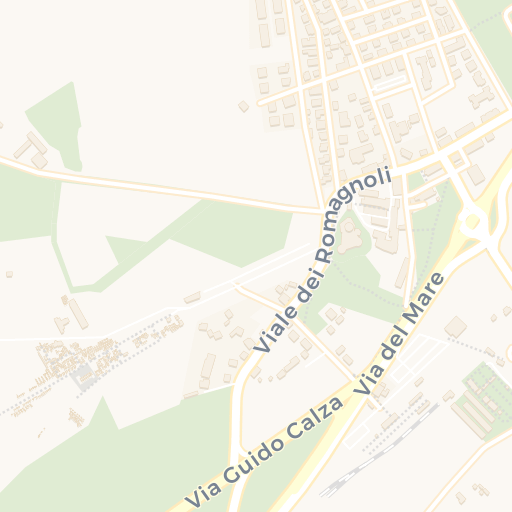
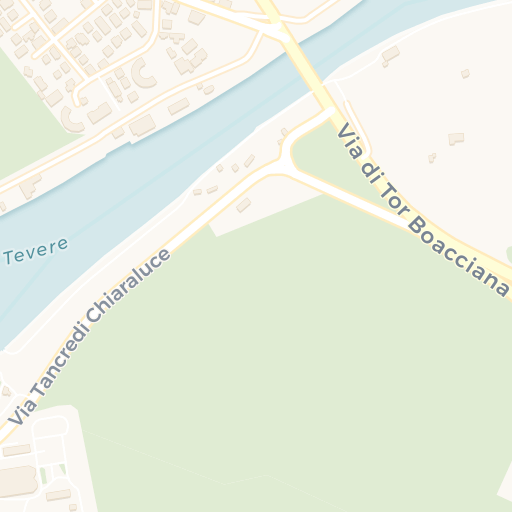
Get directions Open in Apple Maps
© OpenStreetMap contributors · © CARTO · 41.755, 12.29139
Plan your visit
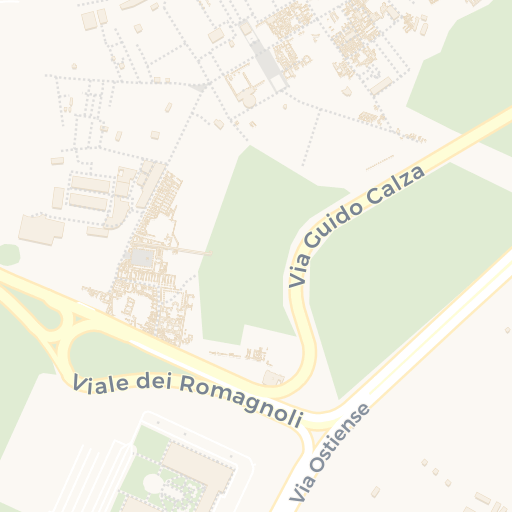
The archaeological site is open to the public and the finds from the excavations are displayed on site in the Museo Ostiense. Ostia Antica lies about 25 km south-west of Rome at the mouth of the Tiber; silting has moved the coast, so the site is now roughly 3 km inland.
Opening times
The excavations open Tuesday to Sunday and on public holidays at 08.30, and close on a seasonal calendar: 16.30 from 25 October to the end of February, 17.15 through March, 19.00 from 1 April to 30 September, and 18.30 from 1 to 24 October. Last admission is one hour before closing. The site is closed on Mondays and on 25 December.
The Museo Ostiense keeps its own hours, opening at 9.30 between 1 April and 24 October and at 10.30 between 25 October and 31 March, with last admission ranging from 15.00 in midwinter to 17.30 in summer. If the museum is the reason you are coming, check its last admission rather than the site's closing time — they are not the same hour.
Admission
The integrated ticket is €18 full price, with a €2 reduced rate for EU citizens aged 18 to 25. Entry is free to all the park's sites on the first Sunday of each month under the ministry's Domenica al museo scheme, which also makes those the busiest days of the month.
Plan for a long outdoor walk
The walled city covers about 69 hectares, the surfaces are ancient paving and beaten earth, and there is little shelter between buildings. Water, a hat and proper shoes matter more here than at a single-monument site — and with last admission an hour before closing, arriving late in the day leaves far less time than the closing hour suggests.
Verified against Parco archeologico di Ostia antica, October 2026.
When to visit
Ostia is an open site with almost no shade, so the season matters more than the hour. Spring and autumn are the straightforward choices: the walking is the whole visit, and the brick and tuff hold heat.
In high summer go early. The site is large enough that crossing it in the middle of the day is genuinely tiring, and the insulae and warehouses offer very little cover. Winter is quiet and the light is good for photography, but days are short and a large part of the visit is exposed to weather.
Allow more time than a single monument would need. Two-thirds of the ancient town is still unexcavated, but what has been uncovered is a whole street plan rather than a handful of buildings, and the museum on site is worth keeping time for.