

Trevi Fountain
Last updated on October 4, 2026Why visit Trevi Fountain
The draw
The largest Baroque fountain in Rome, and it is the end of a Roman aqueduct still running. The water arrives by the Acqua Vergine, which Turismo Roma calls the only one of the ancient aqueducts in uninterrupted use — located in 19 BC some thirteen kilometres from the city and serving Rome for more than four hundred years. Nicola Salvi designed the fountain for Pope Clement XII and work began in 1732; it was completed by Giuseppe Pannini in 1762, thirty years later. At the centre, Oceanus rides a shell chariot drawn by two hippocamps and two tritons, on the theme of the taming of the waters.
The friction
It costs two euros now, and almost nothing published says so. Since 2 February 2026, tourists and non-residents pay EUR 2 to enter the catino, the basin area nearest the monument, every day from 09.00 to 22.00. It is also relentlessly crowded: the square is small, enclosed, and on the route between the Pantheon and the Spanish Steps.
The tactic
Decide before you arrive whether you want the basin or the fountain. The charge buys you the step down by the water. The fountain itself is still free to look at from the rest of the piazza, at any hour, and before 09.00 or after 22.00 the basin is free too. If you want the photograph without the crowd and without the ticket, come at dawn — the square is enclosed and the fountain is floodlit, so it reads well in the dark.
Skip it if you:
- Expected it to be free. The piazza still is; the basin is not. Know which one you are paying for.
- Dislike crowds at all. This is one of the two or three most crowded spots in Rome and there is no quiet corner of the square.
- Are hoping to sit on the edge. That is now inside the paid enclosure.
- Want to see the facade whole. The square is too small to stand back in; the building reads better in photographs than in person.
Quick facts
- Type: Monument, Historic Place, Fountain
- Visitor access: Open to visitors
- Admission: Free
Visit responsibly
The coins go somewhere. An estimated EUR 3,000 a day is thrown in, and the money is donated to the Caritas association for charity work. Throwing one is a genuine donation, not just a superstition — and taking one out is theft from a charity.
Do not get into the water. This is the terminus of a working aqueduct and a protected monument; the basin is patrolled and the fines are real.
The new charge is the city managing a crowding problem, not a tax on tourists. The square was being damaged by the number of people sitting on the basin edge. Paying it, or standing back, are both reasonable; arguing with the staff at the barrier is not.
Come at an unpopular hour if you can. The single most useful thing any visitor can do here is not add to the 11am crush — and the early hours are better for you as well.
Where it is
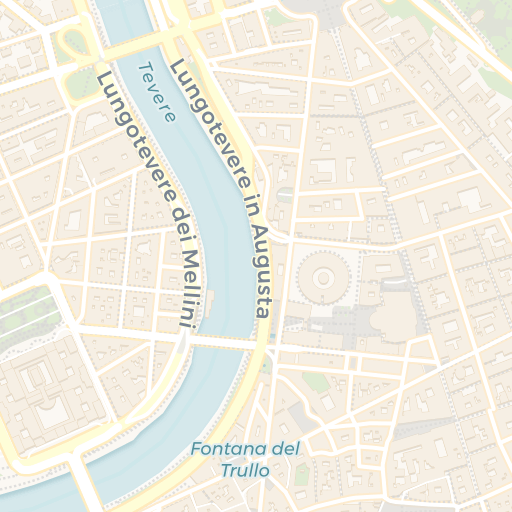
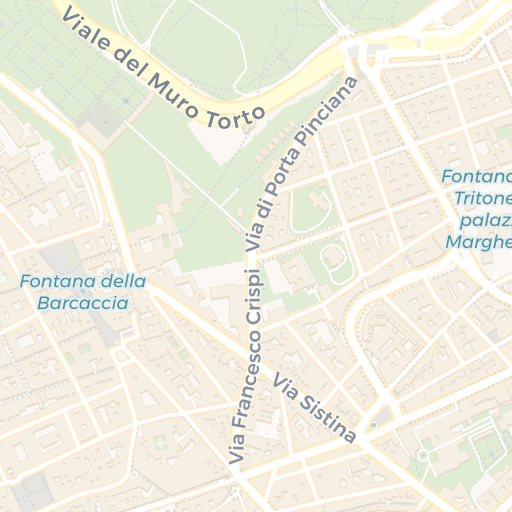
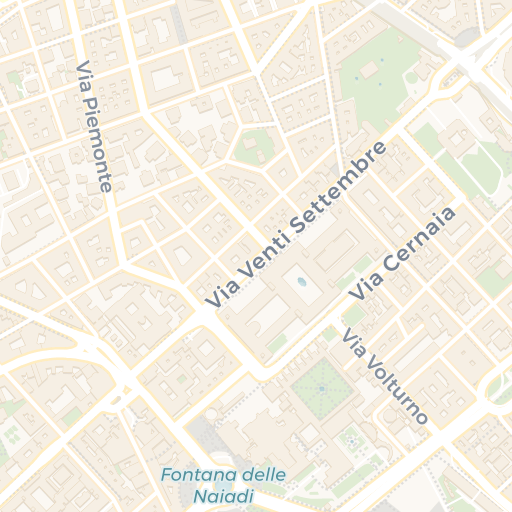
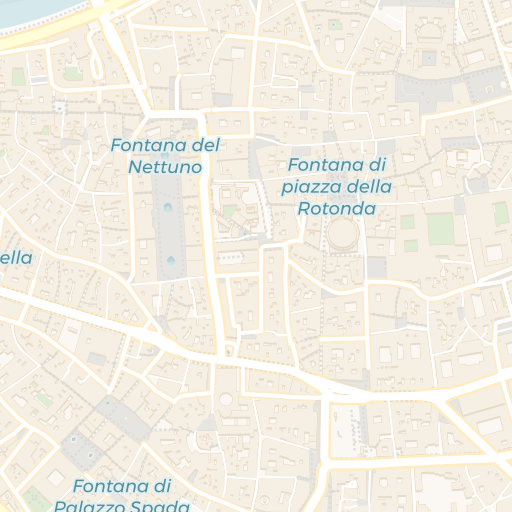
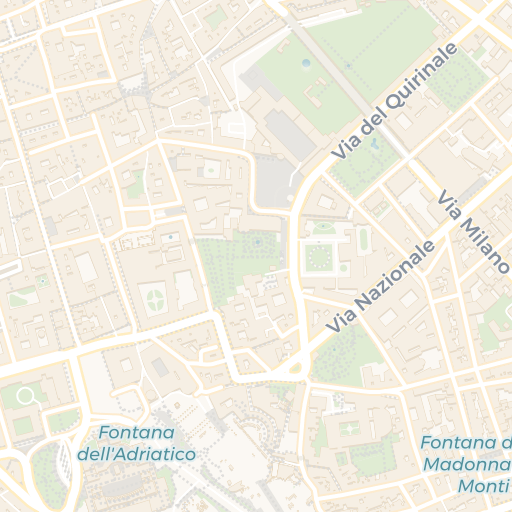
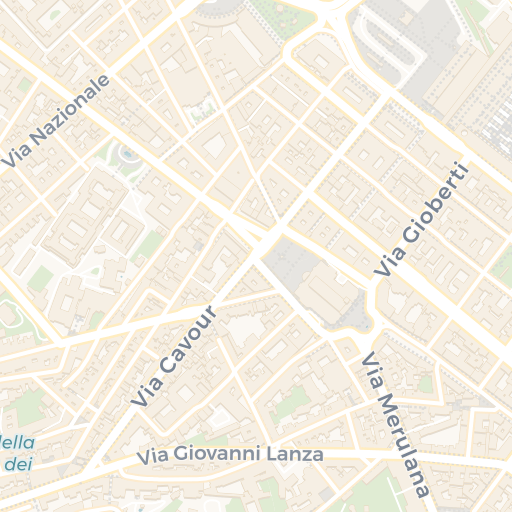
Get directions Open in Apple Maps
© OpenStreetMap contributors · © CARTO · 41.9009, 12.4832
Plan your visit
Admission: Free · Public fountain and piazza
There is a charge now, and it is not what most guidance says
Since 2 February 2026, Turismo Roma states that tourists and non-residents must pay EUR 2 to enter the catino — the basin, the part closest to the monument — every day from 09.00 to 22.00.
Free, and unchanged: residents, children up to five years old, and people with disabilities and their companions.
What the charge is not. It is not an admission to see the Trevi Fountain. The piazza is still an open public square, the fountain is still in it, and looking at it costs nothing. The two euros buys the step down at the water's edge where people used to sit.
Ticket & Pass Decision Matrix
| Option | Cost | What it gets you | Queue and booking | Verdict |
|---|---|---|---|---|
| The piazza | EUR 0 | The whole fountain, seen and heard, at any hour | None, ever | What almost everyone actually wants. The facade reads better from back here than from the basin anyway. |
| The catino (basin) | EUR 2.00 | The step down nearest the water | Staffed entrance, 09.00-22.00 | Two euros to stand closer. Worth it if you want the water in the foreground of a photograph. |
| Before 09.00 or after 22.00 | EUR 0 | The basin area, uncharged | None | The quiet answer. Dawn is free, empty and floodlit. |
| Residents, under-5s, disabled visitors and companions | EUR 0 | The basin | — | Free by right; carry whatever proves it. |
| Roma Pass | — | Nothing published | — | No pass arrangement is published for a two-euro municipal charge. |
What is free
The fountain. That needs saying plainly, because a two-euro ticket at a famous monument reads like an admission charge and this is not one. Piazza di Trevi remains an open square; the Trevi is 26 metres high and visible from every part of it, floodlit after dark, at no cost and with no barrier.
Free too: the basin itself outside 09.00-22.00, and the walk from here to the Pantheon or the Spanish Steps, both under ten minutes and both free.
How long
About 25 minutes, most of it waiting for a gap in front of the water.
Verified against Turismo Roma, October 2026.
When to visit
Before 09.00, for three reasons at once. The basin charge applies only 09.00 to 22.00, the crowd has not arrived, and the low sun comes into the enclosed square from the east. Dawn is the single best hour here and it is also the cheapest.
After 22.00 is the other free window, and the fountain is floodlit — the square is enclosed by tall buildings, so artificial light does more here than in an open piazza.
Avoid late morning and early evening entirely if you can. The Trevi sits on the walking route between the Pantheon and the Spanish Steps, which means it receives everyone twice.
Season matters less than hour. The square is small and sheltered and the fountain runs year-round; a January morning here is far pleasanter than a July afternoon.