

Museum of Naval History & Arsenal
Last updated on September 13, 2026Overview
The Arsenale was the shipyard of the Venetian Republic and, for several centuries, the largest industrial complex in Europe. Founded in 1104 and walled off from the rest of the city, it employed as many as 16,000 arsenalotti at its height and built the galleys on which Venetian power rested.
Its method is what made it exceptional. Hulls moved past fixed stations where standardised, pre-made components -- rigging, oars, armament -- were fitted in sequence, an arrangement recognisable as an assembly line four centuries before the term existed. When the Republic needed to rearm quickly, the yard could reportedly finish and equip a galley in a single day.
The land entrance, the Porta Magna of 1460, is among the earliest Renaissance structures in Venice. The marble lions flanking it were taken from Greece as spoils after the Morean campaign of the 1680s; the largest, from Piraeus, carries runic graffiti cut by Scandinavian mercenaries in the 11th century.
The adjoining Museo Storico Navale, founded by the Italian Navy in 1919, holds the collection the yard itself accumulated: ship models, weapons, and a large reconstruction of the Bucintoro, the doge's ceremonial barge, destroyed by French troops in 1798. Full-size historic craft are displayed separately in the Padiglione delle Navi.
Quick facts
- Type: Building, Museum
- Local name: Arsenale e Museo Storico Navale (vedi la pagina italiana)
- Visitor access: Open to visitors
- Admission: €10
- Built: 1104 (Arsenal); 1919 (Museum)
Visit responsibly
The Arsenal remains an active Italian Navy facility behind guarded walls, not a tourist attraction in the ordinary sense -- respecting the perimeter and any posted restrictions matters more here than at most Venice sights.
Because it sits outside the main San Marco-Rialto tourist corridor, a visit to the museum spreads foot traffic to a quieter part of Castello rather than adding to the pressure on the city's most congested squares.
Where it is
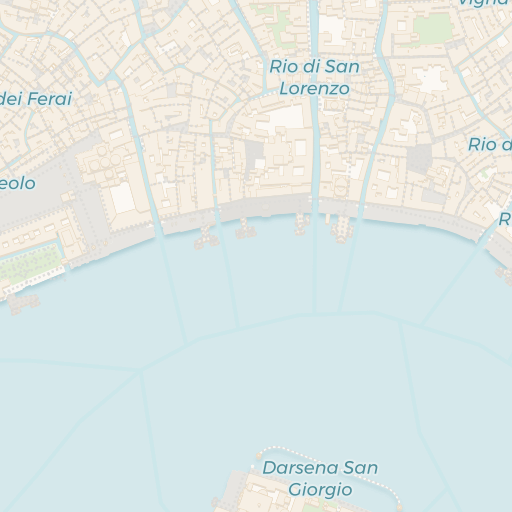
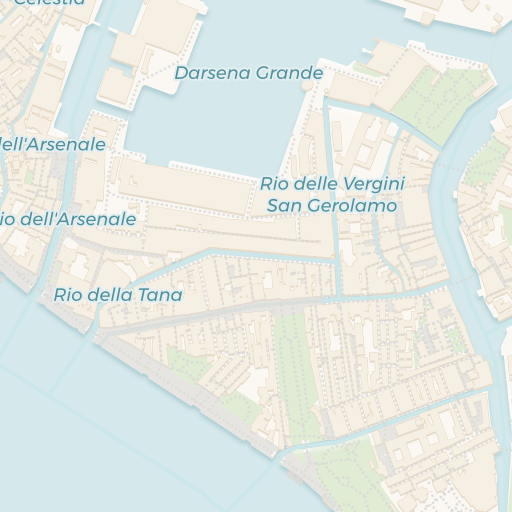
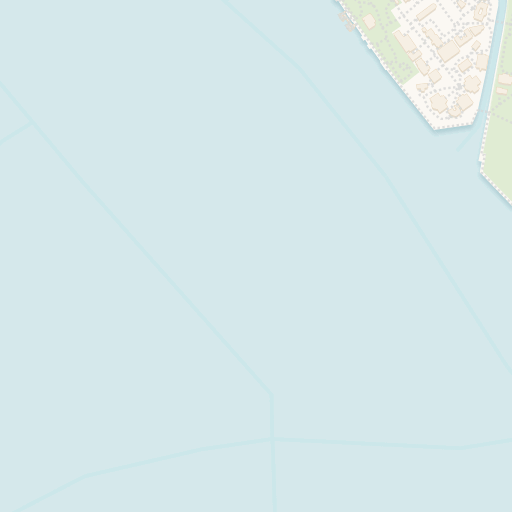
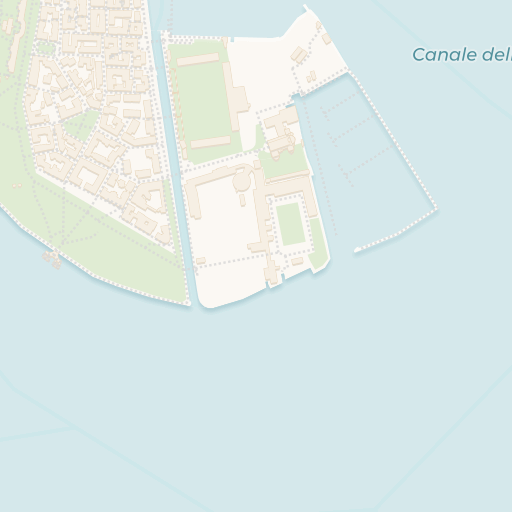
Get directions Open in Apple Maps
© OpenStreetMap contributors · © CARTO · 45.43271, 12.3502
Plan your visit
Admission: €10
The Museo Storico Navale is a short walk from the Arsenale vaporetto stop, near San Zaccaria and the waterfront promenade east of St. Mark's Square.
The museum is typically open mornings through early afternoon and closed on Mondays, with a modest entry fee; hours can shift seasonally, so checking ahead is worthwhile. The Arsenal's shipyards themselves stay closed to visitors outside Biennale exhibition periods.
When to visit
The Museo Storico Navale draws far fewer visitors than Venice's headline sights, and its rooms rarely feel crowded even in peak season.
The museum keeps shorter hours than St. Mark's Basilica or the Doge's Palace and is closed on some weekdays -- checking the current schedule before setting out saves a wasted trip, since Castello has fewer signposted alternatives nearby.
The Arsenal complex itself is rarely open to the public outside the Venice Biennale (held in alternating years for art and architecture), when parts of the historic shipyards host exhibitions -- visiting during a Biennale is the most reliable way to see inside the walls.