

Lido di Venezia
Last updated on September 4, 2026Overview
The Lido is the barrier island separating the Venetian Lagoon from the Adriatic: twelve kilometres of sand, and the reason the lagoon exists as a sheltered body of water at all. It is also, unusually for the Venice area, a place with roads, cars, and buses.
Sea bathing began here in the 1850s and the island became one of Europe's earliest purpose-built beach resorts, its grand hotels and Art Nouveau villas going up between the 1890s and the 1910s. That era gave the Lido its architecture and its literary association -- Thomas Mann set Death in Venice at the Hotel des Bains, on this beachfront.
It is a fifteen-minute vaporetto ride from San Marco and feels markedly different on arrival: residential, low-rise, and comparatively quiet, with ordinary shops along the Gran Viale rather than the souvenir trade of the historic centre.
Beach access is split. Much of the southern shore is concessioned to hotels and open to their guests; the free public beaches are at the northern end near the church of San Nicolò, which holds relics of St Nicholas -- the rest are in Bari -- along with paintings by Palma il Vecchio and Palma il Giovane.
Each year in late August and September the island hosts the Venice International Film Festival at the Palazzo del Cinema, the oldest film festival in the world, founded in 1932.
Quick facts
- Type: Nature, Beach, Island
- Local name: Lido di Venezia (vedi la pagina italiana)
- Visitor access: Open to visitors
Visit responsibly
Much of the beach along the Lido's southern half belongs to hotels and is reserved for their guests, which concentrates public beach access into a smaller stretch near San Nicolò. The island's infrastructure is built around its two annual peaks -- summer beach season and the film festival -- and can feel comparatively quiet the rest of the year.
Where it is
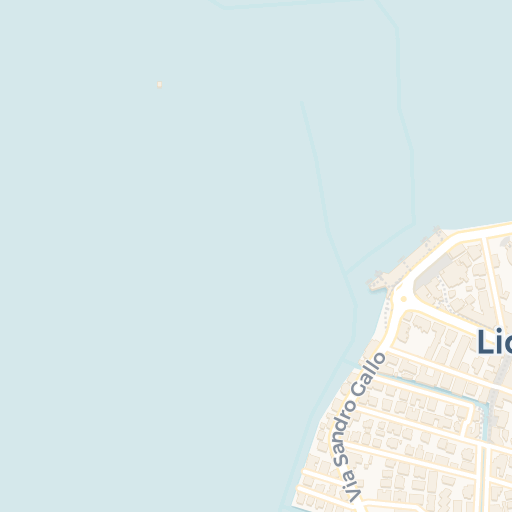
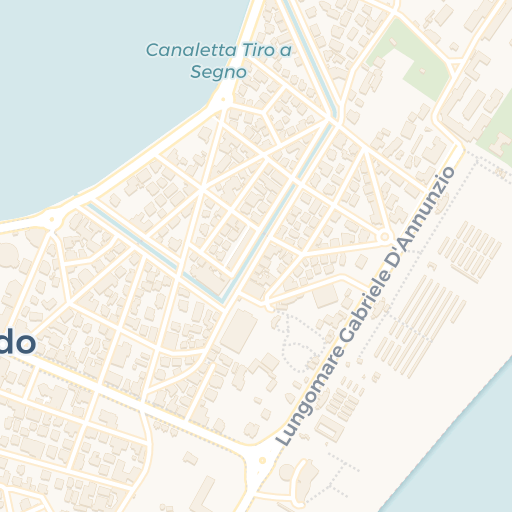
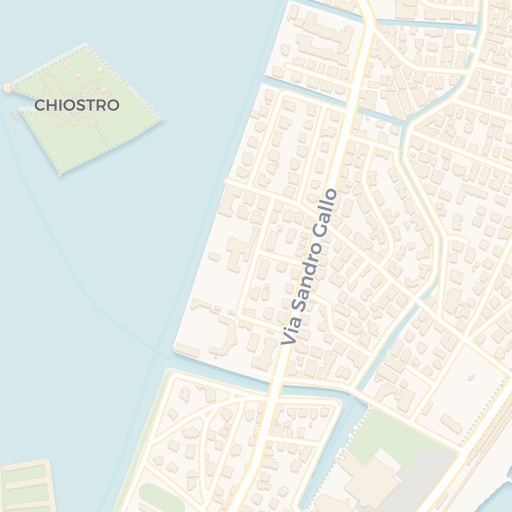
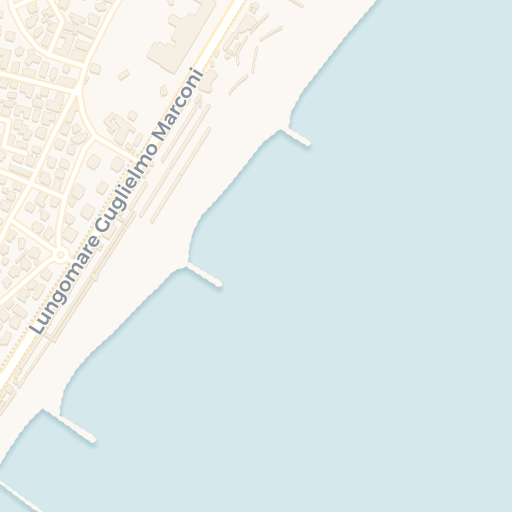

Get directions Open in Apple Maps
© OpenStreetMap contributors · © CARTO · 45.41646, 12.37061
Plan your visit
The Lido is reached by vaporetto from Venice's historic center, a crossing of 10-15 minutes depending on the departure point.
- Getting there: vaporetto lines connect the Lido to San Marco, the Rialto, and other central stops; the island itself is one of the few places in the Venice area where cars and bicycles are practical, unlike central Venice's pedestrian-only streets.
- Getting around: bicycles can be rented from shops along the Gran Viale, the most common way to cover the island's length.
- Beaches: public access is concentrated near San Nicolò at the northern end; much of the southern beachfront is private, tied to the hotels behind it.
When to visit
Summer is the Lido's peak season for beach visitors, and late August into September brings the added crowds and hotel demand of the film festival. Spring and early autumn offer a quieter island with milder weather, better suited to cycling and walking than to swimming.