

The MOSE Flood Barriers
Last updated on November 15, 2026MOSE is the system of mobile gates built across the three inlets of the Venetian lagoon to shut out the Adriatic when a high tide threatens the city.
Seventy-eight steel gates lie flat on the seabed, full of water and invisible. When they are needed, compressed air forces the water out and they rise on hinges to stand above the surface, closing the lagoon off for a few hours until the tide falls.
It was first raised in earnest on 3 October 2020, and it worked. Getting there took seventeen years, roughly six billion euros and a corruption scandal that reached the mayor of Venice.
Challenge to visitors
There is nothing to visit. MOSE is a public works programme run by a ministry, not an attraction — and the body that runs it publishes no visits, no guided tours, no viewing points, no hours and no admission anywhere on its site.
And when it is working you cannot see it. The gates lie on the seabed until a tide forecast raises them; most of the time the barriers a visitor has come to look at are underwater and out of sight.
The inlets are also a long way from the city. Lido, Malamocco and Chioggia are at the lagoon's edges, not in Venice, so even an exterior look is a deliberate trip rather than a detour.
Visiting tips and strategy
When to go
Autumn and winter are the season that matters. The acqua alta period runs roughly from October to January, and this is when the gates are raised.
The city publishes a tide forecast a few days ahead; a predicted tide above about 110 cm is the level at which closure is considered.
Any time of year works for seeing the fixed works from Punta Sabbioni, which is a normal stop on the Venice boat.
Summer shows you the infrastructure but never the system in use.
Getting the good version
Understand it rather than try to see it. The scale is the point and the numbers carry it: four barriers, 78 independent gates — 41 at the Lido inlet across two channels, 19 at Malamocco, 18 at Chioggia.
Watch the tide forecast if you want the gates up. They are raised when the water reaches a set level, decided from real-time mareograph readings at the inlet mouths, so a raising follows the weather and not a timetable anyone publishes in advance.
Chioggia is the reachable inlet. One of the three barriers is at the Chioggia mouth, and Chioggia is a town you can visit for its own sake — which makes it the only one of the three that fits into an ordinary trip.
Treat the lagoon itself as the exhibit. What MOSE defends is more visible than MOSE: the acqua alta marks on Venetian walls are the same story at a scale you can stand next to.
What it costs
Nothing, and nothing to buy. MOSE is not a visitor site: it is a public works programme of the Ministero delle Infrastrutture e dei Trasporti, run through the Provveditorato Interregionale per le Opere Pubbliche, with Consorzio Venezia Nuova as concessionaire.
No admission, tour or viewing arrangement is published anywhere on the project's official site — not a price, not a booking route, not a public viewing point.
The inlets themselves are open water and public shore. Looking at the Lido, Malamocco or Chioggia mouths from land costs nothing; the barrier structures are working installations and not open to the public.
Verified against MOSE (Provveditorato Interregionale OO.PP. / Consorzio Venezia Nuova), November 2026.
Getting there and getting in
Can you visit?
No arrangement for public visits is published. The official project site carries no tours, viewing points, hours or admission.
What it is
Four barriers of 78 independent mobile gates able to separate the lagoon from the sea temporarily: 41 at the Lido inlet (21 in the north channel, 20 in the south), 19 at Malamocco, 18 at Chioggia.
How it is operated
The command to raise the gates is given when the water reaches an established level, decided from real-time mareograph measurements at the inlet entrances. Construction began in 2003; a Control Room was established in 2011.
Who runs it
The Ministero delle Infrastrutture e dei Trasporti through the Provveditorato Interregionale per le Opere Pubbliche del Veneto, Trentino Alto Adige e Friuli Venezia Giulia, with Consorzio Venezia Nuova as concessionaire.
Where the barriers are
At the three lagoon inlets — Lido, Malamocco and Chioggia — at the lagoon's edges rather than in Venice.
Place accessibility
There is no public access to design around. The barriers are working installations at three lagoon inlets, and the authority that runs them publishes no visits, viewing points or public areas at all.
What a visitor can reach is the shore, at Lido, Malamocco or Chioggia — public ground at the lagoon's edge, looking across open water at structures that are mostly submerged.
Chioggia is the inlet with a town attached, and Chioggia's old town is flat and walkable, which makes it the practical choice if seeing one of the three mouths matters to you.
Not published, and not guessed: whether any viewing point exists, let alone whether one is reachable. The official site is an engineering and transparency portal; it describes the works and says nothing about people coming to look at them.
Quick facts
- Type: Monument
- Local name: Il MOSE (vedi la pagina italiana)
- Built: Begun 2003; first defensive closure 3 October 2020
- Built for: closing the lagoon against high tides
- Capacity: 78
- Gates that hide on the seabed: The 78 gates lie flat and flooded in the channel floor; compressed air empties them so they swing up, which is why the inlets look unchanged when MOSE is not in use.
- Seventeen years and a scandal: Construction began in 2003 and cost roughly six billion euros; a 2014 corruption inquiry into the building consortium reached the sitting mayor of Venice.
Where it is
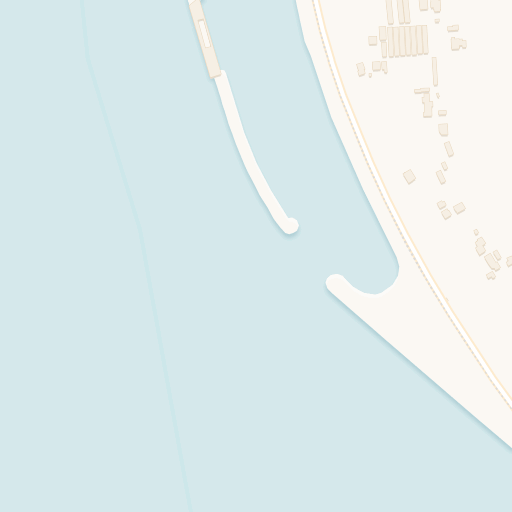
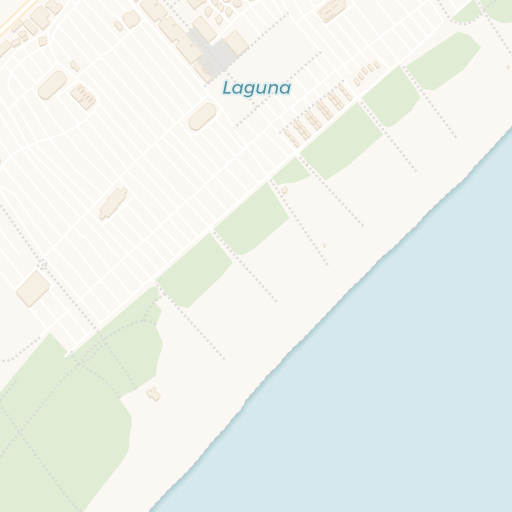
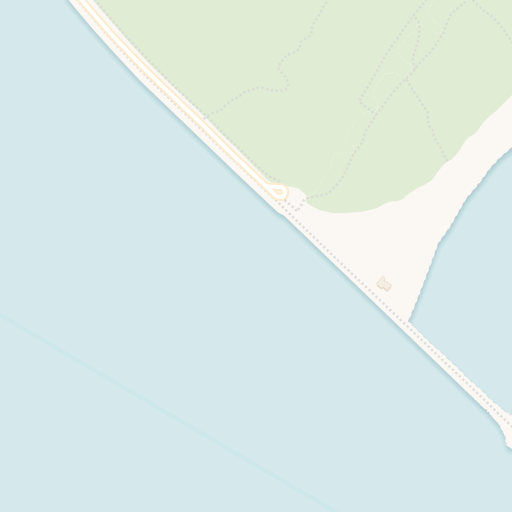
Get directions Open in Apple Maps
© OpenStreetMap contributors · © CARTO · 45.4258, 12.4256
Visit responsibly
These are secured operational sites. Do not attempt to approach the barriers, the caissons or the control buildings by land or by boat -- the exclusion zones are enforced and the machinery is live.
If you are in Venice during a closure, remember it is a civil-protection operation, not a display. Follow the city's instructions and keep out of the way of the people running it.
The barriers are contested locally, on cost, on ecology and on what they mean for the lagoon's future. Visitors are better served by understanding the argument than by treating the works as a spectacle.
Reaching the viewpoints by public boat rather than a private one keeps wash out of channels where the salt marsh is already eroding.