

Palazzo Grassi
Last updated on September 4, 2026Overview
Palazzo Grassi stands on the Grand Canal near Campo San Samuele, the last great palace built on the canal before the fall of the Venetian Republic in 1797. Since 2006 it has been one of the world's leading contemporary art museums, home to part of the personal collection of French businessman Francois Pinault, shown across roughly 5,000 square meters of galleries inside a meticulously restored 18th-century shell.
Quick facts
- Type: Museum, Palace, Historic Place
- Local name: Palazzo Grassi (vedi la pagina italiana)
- Visitor access: Open to visitors
- Admission: €20
- Reservation: Not required — tickets on the door
- Typical visit: About 1 hour 30 minutes
- Built: 1748-1772
- Designed by: Giorgio Massari
- Architectural style: Venetian Classical
Visit responsibly
A combined ticket covers both Palazzo Grassi and Punta della Dogana, and the two sit at either end of the same stretch of the Grand Canal -- seeing them on one visit is both cheaper and a lighter load on the vaporetti than two separate trips.
The frescoed staircase and ceilings are original 18th-century surfaces sharing a building with contemporary installations, so photography rules vary room by room rather than applying across the museum: some individual works are restricted by the lending artist rather than by the building. The posted notice in each room is the one that applies.
Where it is
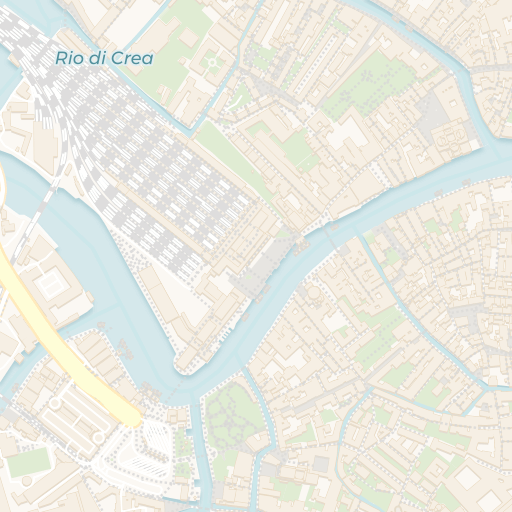
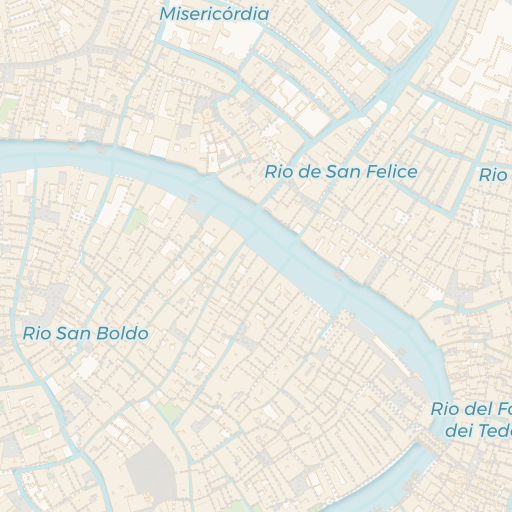
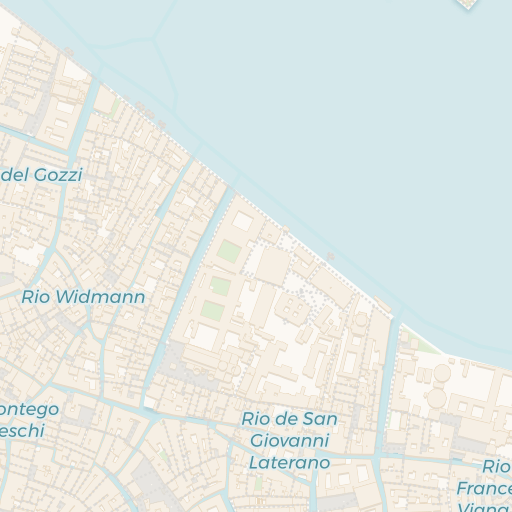
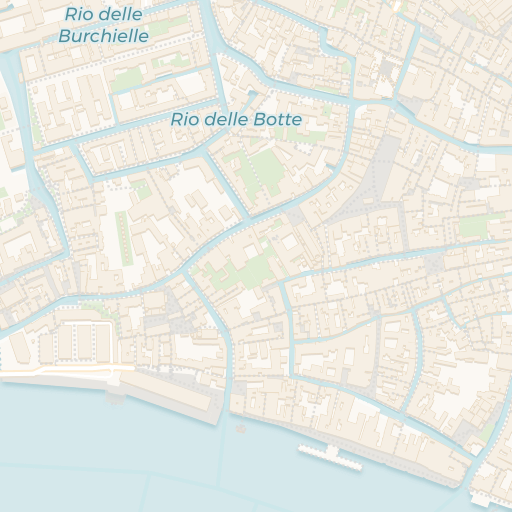
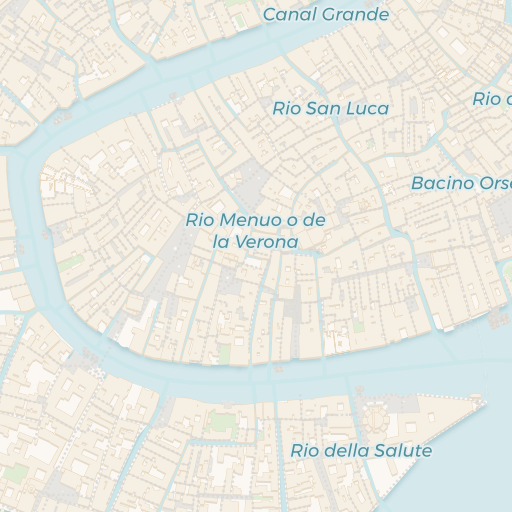
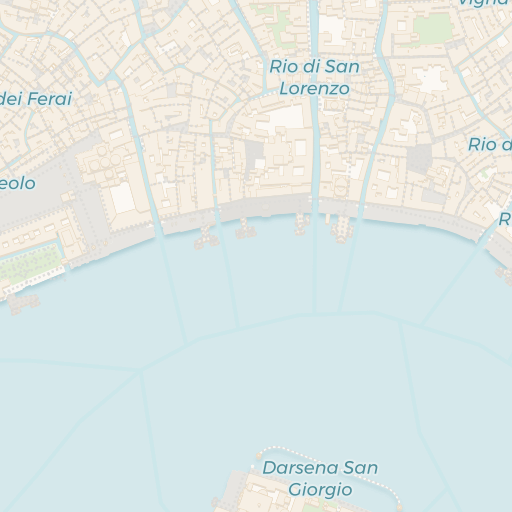
Get directions Open in Apple Maps
© OpenStreetMap contributors · © CARTO · 45.43378, 12.32795
Plan your visit
Admission: €20
Prices verified August 2026
Palazzo Grassi operates as a ticketed contemporary art museum, with exhibitions that rotate periodically rather than a fixed permanent collection on display. A combined ticket with the nearby Punta della Dogana, also part of the Pinault collection, is usually available and worth considering when visiting both in the same trip.
Verified against Palazzo Grassi, August 2026.
When to visit
Palazzo Grassi is quiet by Venetian standards. It draws an art audience rather than the general sightseeing flow, and even in high season the galleries rarely feel crowded -- a real contrast to anything on Piazza San Marco.
Because the programme is exhibition-led, the useful question is not when to arrive but what is on: shows run for months and the building closes between them for installation. Checking the current exhibition before planning a visit matters more here than choosing a time of day.
Like Punta della Dogana it generally closes on Tuesdays, which catches out visitors used to the Monday closures common elsewhere in Italy.