

Rialto Bridge
Last updated on September 13, 2026Overview
The Rialto Bridge is the oldest of the four bridges crossing the Grand Canal, and for some three hundred years it was the only one -- every crossing of Venice's main waterway on foot happened here until the Ponte dell'Accademia was built in the 19th century.
It stands at the Grand Canal's narrowest point, beside the Rialto market that has been the city's commercial centre since Venice's earliest days. The present stone bridge, completed in 1591, replaced a succession of pontoon and timber crossings, and carries two rows of shops along its deck, split by a central portico -- so the bridge functions as a street rather than merely a way across.
Quick facts
- Type: Famous Wonder, Historic Place, Bridge
- Local name: Ponte di Rialto (vedi la pagina italiana)
- Visitor access: Open to visitors
- Built: 16th century
- Architectural style: Arched stone bridge
- Height: 7 m
- Size: 29.9 m (75.1 ft) wide and about 15 m (49.2 ft) high when including the upper structure.
Visit responsibly
The bridge's shops are small, family-run businesses in many cases -- buying from them rather than only photographing the crossing supports the same commercial tradition that has occupied this site for centuries.
The bridge is a genuine pedestrian thoroughfare for Venetians as well as a landmark -- stopping to take photos in the narrow central portico, rather than to the sides, can block a crossing many residents use every day.
The nearby Rialto Market is a working food market, not a tourist attraction built for visitors -- moving through respectfully during business hours, rather than treating vendor stalls as a photo backdrop, is appreciated.
Where it is
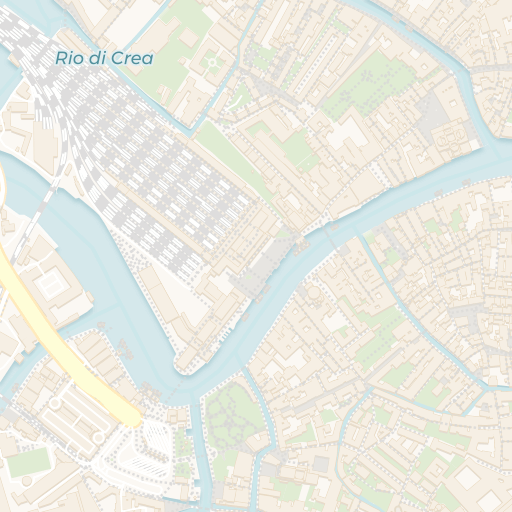
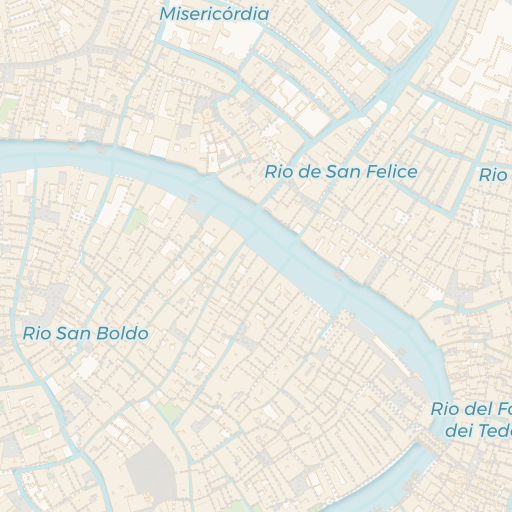
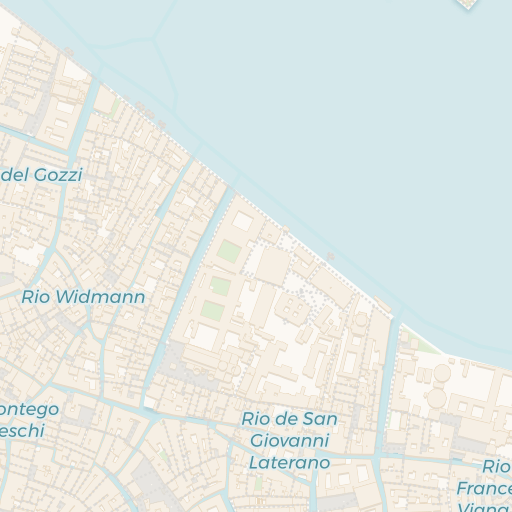
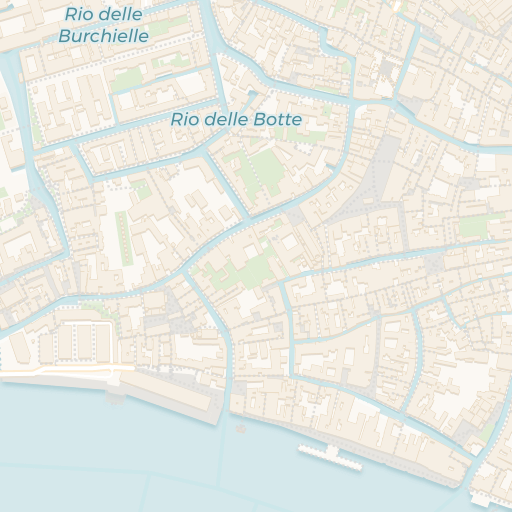
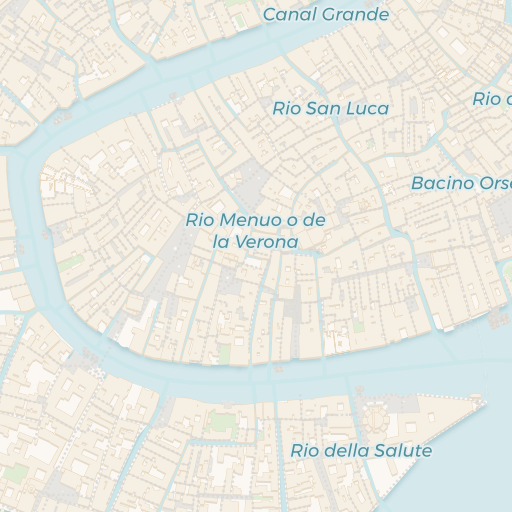
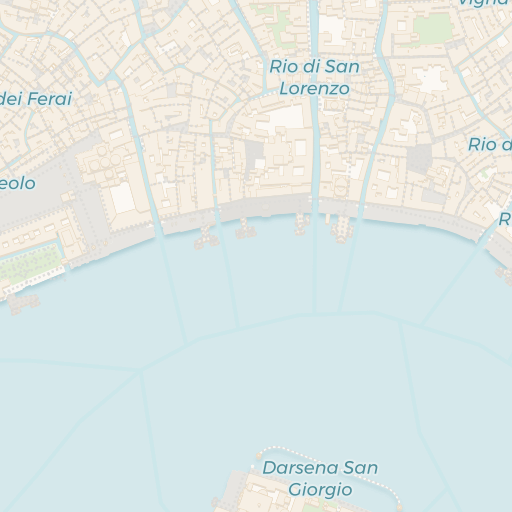
Get directions Open in Apple Maps
© OpenStreetMap contributors · © CARTO · 45.438, 12.336
Plan your visit
The Rialto Bridge is open to pedestrians at all hours, free to cross, and requires no ticket or reservation.
The bridge's shops keep standard Venetian retail hours, generally open through the day and closed by early evening; the crossing itself remains accessible around the clock.
The nearest vaporetto stop is Rialto, served by several water bus lines running the length of the Grand Canal, making the bridge one of the easiest Venice landmarks to reach without walking.
When to visit
The bridge is at its most crowded in the middle of the day, when foot traffic from both directions bottlenecks at its central portico -- early morning or after dinner offers a much clearer crossing and photo.
The Rialto Market, on the bridge's western approach, is busiest and most complete in the morning, before midday, when many stalls begin closing.
Sunset is a popular time to view the bridge from the water or from a nearby canal-side bar, when the surrounding palazzi catch the evening light.