

Santa Maria dei Miracoli
Last updated on September 4, 2026Overview
Known in Venice as the marble church, Santa Maria dei Miracoli is among the best-preserved examples of early Venetian Renaissance architecture. Pietro Lombardo designed it and built it between 1481 and 1489 to house a painting of the Virgin credited with miracles; in 1484 the plans were expanded to add a convent for the nuns of St Clare along the church's eastern side, linked by an enclosed walkway that no longer survives.
Its reputation rests on the coloured marble revetment covering the building inside and out, worked into rosettes, octagons, and cross patterns. A gilded coffered ceiling runs above walls of grey and coral marble, and a carved balustrade with figures divides the raised choir from the nave.
A single barrel-vaulted nave, with no side aisles, is dominated by the arch rising between the two pulpits. Sculpture by Tullio Lombardo, Alessandro Vittoria, and Niccolò di Pietro sits alongside prophet panels by Vincenzo dalle Destre and Lattanzio da Rimini.
Between 1987 and 1997 the church underwent a full restoration in which the marble panels were removed and desalinated in stainless steel tanks to draw out absorbed salt. The work ran to roughly four times its original estimate, an indication of what it costs to keep stone architecture standing at this proximity to the lagoon.
Quick facts
- Type: Building, Sacred Place, Historic Place, Church
- Local name: Santa Maria dei Miracoli (vedi la pagina italiana)
- Visitor access: Open to visitors
- Admission: €3–€5
- Built: 1481-1489
- Built by: Pietro Lombardo
- Designed by: Pietro Lombardo
- Architectural style: Renaissance
- Denomination: Roman Catholic
Visit responsibly
Santa Maria dei Miracoli is an active parish church as well as a historic site, and weddings are held here regularly -- visitors arriving during a ceremony should expect limited or no access. The building's marble cladding is original and sensitive to humidity and salt exposure, one reason the 1987-97 restoration was so extensive.
Where it is
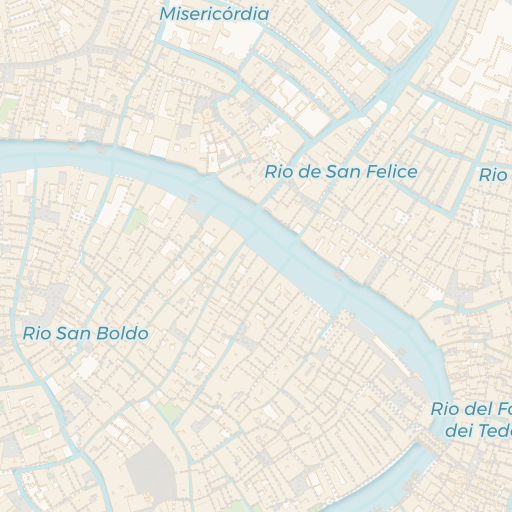
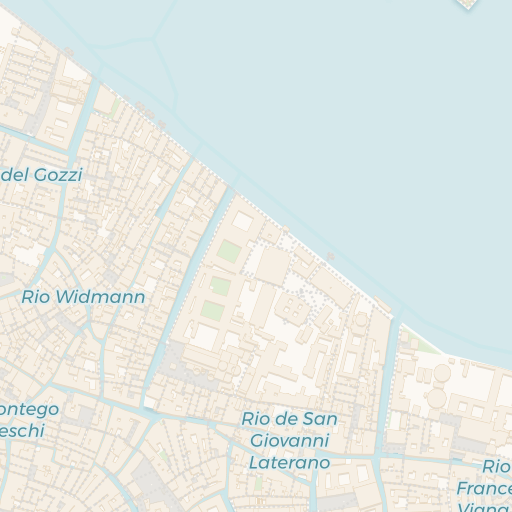
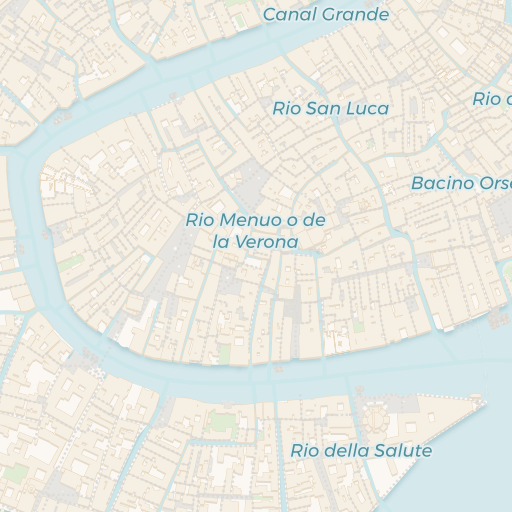
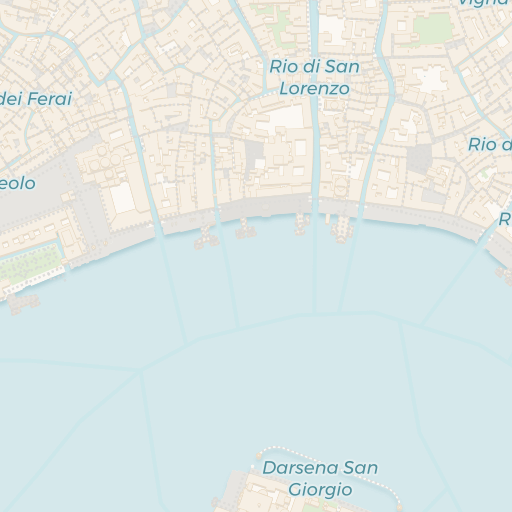
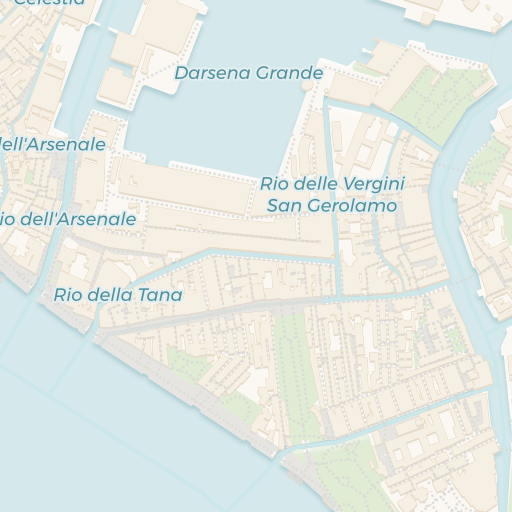
Get directions Open in Apple Maps
© OpenStreetMap contributors · © CARTO · 45.4395, 12.33925
Plan your visit
Admission: €3–€5
The church sits on a quiet campo a short walk northeast of the Rialto, away from Venice's busiest thoroughfares.
- Getting there: a 5-10 minute walk from the Rialto vaporetto stop, through smaller streets that see far less foot traffic than the route to San Marco.
- Tickets: included with the Chorus Pass, which covers admission to several of Venice's parish churches, or purchasable individually at the door.
- Inside: a single small nave with no seating restrictions for visitors outside of active services or ceremonies.
When to visit
The church is small, and a handful of visitors can make it feel busy -- arriving early in the day, before nearby San Marco's crowds spill into the surrounding streets, generally means a quieter visit.
Because the church remains an active wedding venue, it's sometimes closed to visitors for ceremonies, particularly on weekend afternoons. Checking ahead is worthwhile if a specific visit is planned around it.