

Castel San Pietro
Última actualización el 3 de noviembre de 2026Qué hace especial Castel San Pietro
Visit if you:
- are fascinated by Roman and antique history read from above
- want panoramas, and this is the best one in Verona by a clear margin
- like nineteenth-century military architecture, if you know what you are looking at
El reto para quien visita
Skip it if you:
- are expecting a castle interior — the building is a former barracks and is not open
- cannot manage a steep stair and the funicular is not running on your date
- want the panorama without a crowd; sunset here draws the heaviest concentration of the day
La estrategia de visita
La mejor época del año para visitar
Sunset is the standard answer and it is the right one -- the terrace faces west over the whole city, with the Adige, Ponte Pietra and the Roman theatre directly below.
It is correspondingly busy in the hour before sunset; arriving forty minutes early gets you a place at the parapet.
Clear winter days give the sharpest views, sometimes as far as the Alps, and almost nobody is up there.
Spring and autumn are best for walking up; the stairway is steep and fully exposed, and is punishing in July and August.
The terrace is free and always open; the funicular has fixed hours, so check the last descent if you go up for the sunset.
Datos rápidos
- Tipo: Complejo monumental, Lugar histórico, Castillo
- Acceso de visitantes: Abierto a los visitantes
- Entrada: Gratis
- Construido: 1852-1856, on a site fortified since antiquity
- Construido por: The Austrian army
- Construido para: a garrison barracks overlooking the city
- Estilo arquitectónico: 19th-century military
- A barracks, not a castle: The building on the hill is an Austrian barracks of the 1850s. The medieval castle it replaced was destroyed by Napoleonic troops in 1801, and the name is all that carried over.
- Where Verona began: The hill held the earliest settlement and later a Roman temple, so the city’s oldest ground is the one place from which the whole of it can be seen.
Dónde está
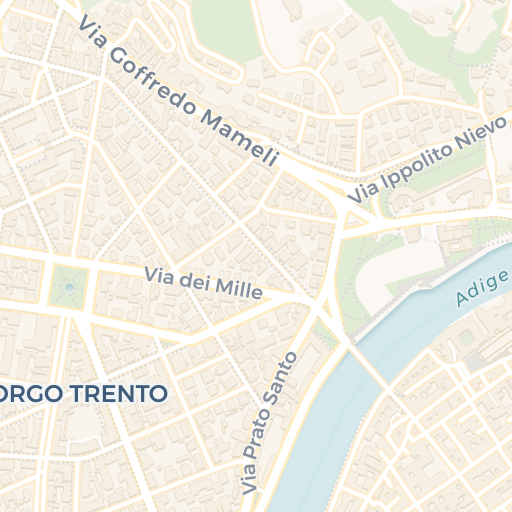
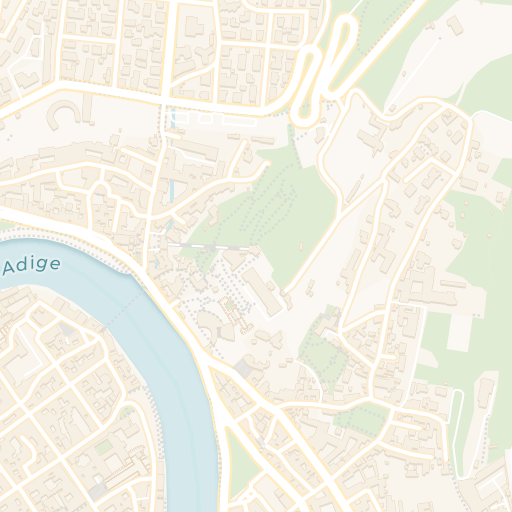
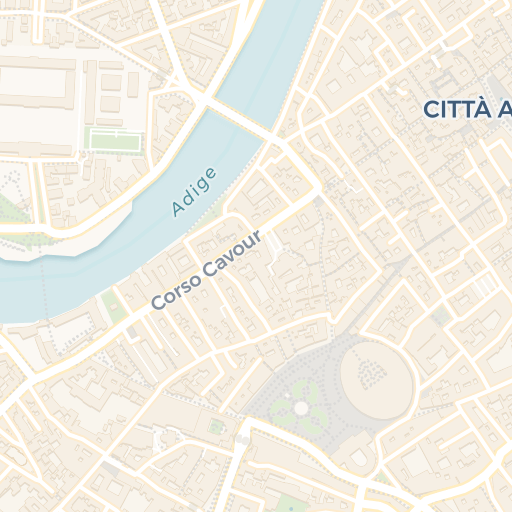
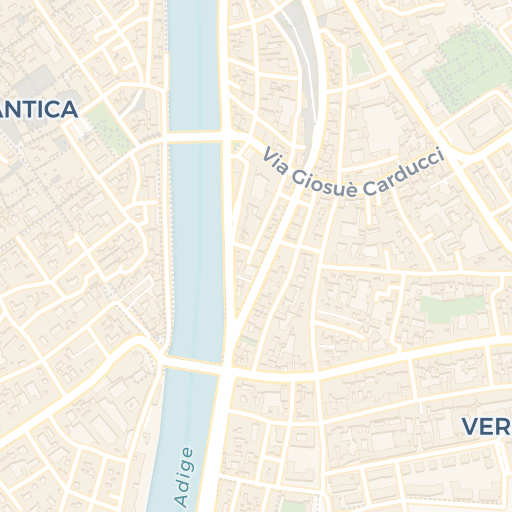
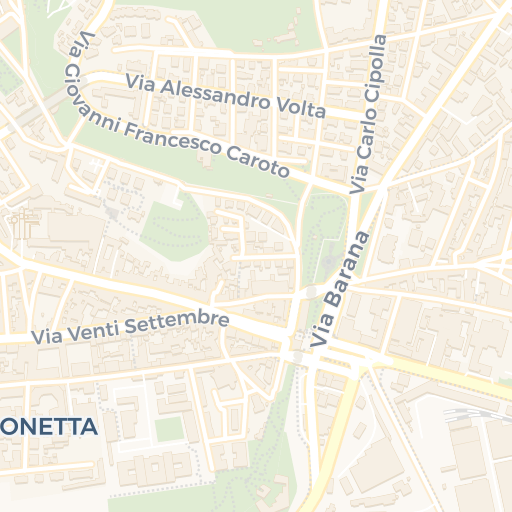
Cómo llegar Abrir en Apple Maps
© OpenStreetMap contributors · © CARTO · 45.44802, 11.00297
Planifica tu visita
Entrada: Gratis · Free public viewpoint; a funicular ride up has a small separate fare
Gratis, pero el edificio no es la visita
La terraza es pública y no cuesta nada. El edificio de detrás es un antiguo cuartel austriaco y no está abierto a la visita ordinaria, lo que sorprende a quien ha subido esperando el interior de un castillo. A lo que vienes es a la vista.
Cómo subir
Dos opciones. La escalinata desde la ribera junto al Ponte Pietra es directa, empinada, y a la mayoría le lleva de diez a quince minutos. El funicular lo hace en un minuto aproximadamente y es de pago; sus días y horas varían según la temporada y el tiempo, así que confírmalo antes de contar con él, sobre todo para la bajada, que es el trayecto en el que la gente se queda atrapada.
El momento
Lo mejor: una hora antes del atardecer. La luz ya está sobre la ciudad, la terraza aún no está llena, y todavía puedes llegar al pretil.
A evitar: el atardecer mismo en verano, cuando la terraza y las callejuelas residenciales de detrás reciben la mayor concentración del día. La primera hora de la mañana es la más tranquila, aunque entonces la ciudad queda a contraluz.
En la terraza
Hay poca sombra y prácticamente ningún servicio. El teatro romano queda justo debajo y es un recinto de pago aparte, al que se accede desde la ribera y no desde la terraza de arriba.
Verificado en Visit Verona, octubre de 2026.
Visita responsable
El atardecer trae la mayor concentración de visitantes a la terraza y a las callejuelas residenciales cercanas. Repartirse a lo largo del mirador en vez de agolparse en su centro hace la panorámica más fácil de compartir y reduce el ruido en las calles de acceso.