

Teatro Romano y Museo Arqueológico
Última actualización el 3 de noviembre de 2026Qué hace especial Teatro Romano y Museo Arqueológico
Verona has two Roman entertainment buildings and most visitors find only one. The Arena is the amphitheatre, for games; this is the theatre, for drama — older, quieter, and on the opposite bank. It vanished under houses for centuries and was dug out from the 1830s by a merchant who bought the buildings standing on top of it and demolished them. The archaeological museum above occupies the convent that survived the clearance, and the climb through it is part of the visit.
Visit if you:
- want the terrace view back across the Adige to the old city
El reto para quien visita
Skip it if you:
- cannot manage a stepped climb; the museum sits above the theatre and the route up is uneven
- are expecting the Arena — this is a smaller, older, quieter ruin and not a rival to it
La estrategia de visita
La mejor época del año para visitar
Late afternoon is the best light over the river and the city from the cavea, and the hillside is cooler by then.
Summer evenings during the theatre season are the point of the place -- seeing a play in the building it was designed for is a different experience from touring the ruin.
Spring and autumn are the comfortable seasons for the climb; the site is exposed and Verona is severe in July and August.
Mornings are quietest, though the site opens later on Mondays.
Datos rápidos
- Tipo: Lugar histórico
- Entrada: €4.5
- Reserva: No hace falta — entradas en taquilla
- Visita típica: Una hora y 30 minutos
- Construido: Late 1st century BC; excavated from the 1830s
- Estilo arquitectónico: Romano
- Verona’s other Roman building: The Arena is an amphitheatre, for games; this is a theatre, for drama. It uses the hillside to carry its tiers, the Greek solution, rather than standing free like the Arena.
- Dug out at one man’s expense: The site had vanished under houses. From the 1830s the Veronese merchant Andrea Monga bought the buildings covering it and demolished them himself to excavate what lay beneath.
- Patrimonio de la Humanidad de la UNESCO: Sí
Dónde está
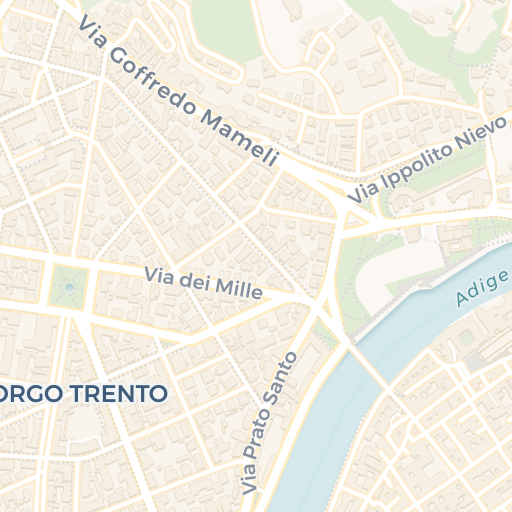
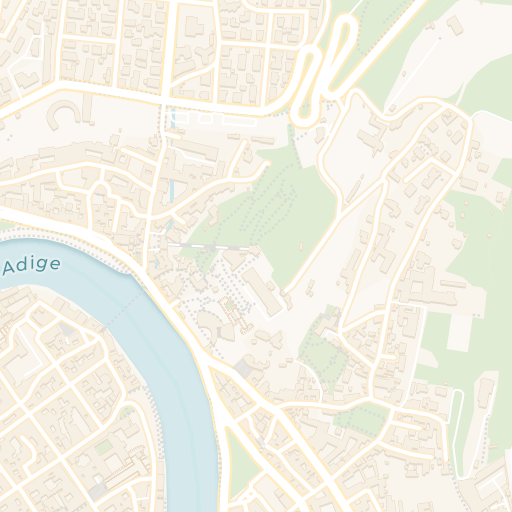
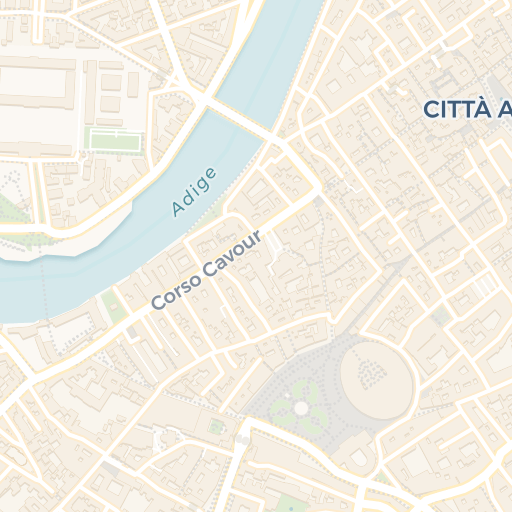
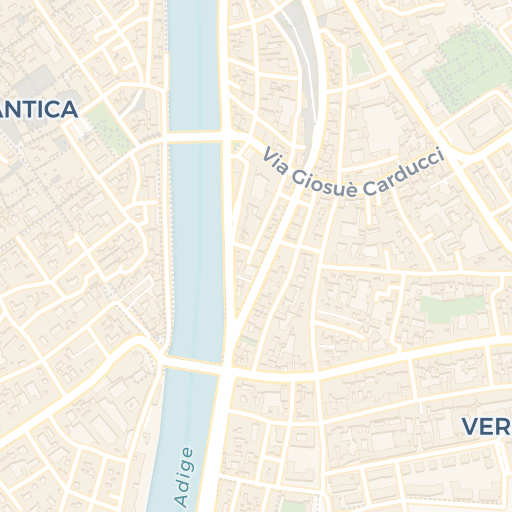
Cómo llegar Abrir en Apple Maps
© OpenStreetMap contributors · © CARTO · 45.4472, 11.0011
Entradas y acceso
What is free
You can see a great deal of the theatre without paying for it. The ruin faces the river, and the whole cavea is visible from Ponte Pietra and the opposite bank — both free — which is the view that shows what the building actually is.
Castel San Pietro, on the terrace directly above, is also free and looks straight down into it.
The ticket begins at the gate on the river side, and covers the theatre floor, the climb through the tiers and the archaeological museum in the convent above.
It is across Ponte Pietra from the centre, about ten minutes' walk from Piazza delle Erbe, and combines naturally with the bridge and with Castel San Pietro above.
The site closes on Monday mornings and has seasonal hours; during the summer festival the theatre itself may be closed to daytime visitors while staging is set up, so check if the ruin is your main interest.
Allow an hour to ninety minutes with the museum.
This is a steep, stepped hillside site on uneven ancient stone. It is not wheelchair accessible and is hard going for anyone with limited mobility. There is a lift within part of the museum.
Wear proper shoes; the stone is slippery when wet.
Planifica tu visita
Entrada: €4.5 · One ticket for the theatre and the archaeological museum above it
Una sola entrada cubre el teatro y el museo, y ambos están incluidos en la Verona Card.
Qué es gratis
Del teatro se ve mucho sin pagar. La ruina mira al río, y toda la cávea se ve desde Ponte Pietra y desde la orilla opuesta — ambos gratuitos —, que es la vista que enseña de verdad qué es el edificio.
Castel San Pietro, en la terraza justo encima, también es gratuito y mira directamente hacia dentro.
El billete empieza en la verja del lado del río y cubre el suelo del teatro, la subida por las gradas y el museo arqueológico del convento de arriba.
Está al otro lado del Ponte Pietra desde el centro, a unos diez minutos a pie de la piazza delle Erbe, y se combina de forma natural con el puente y con Castel San Pietro arriba.
El recinto cierra los lunes por la mañana y tiene horario estacional; durante el festival de verano el propio teatro puede estar cerrado a las visitas diurnas mientras se monta el escenario, así que conviene comprobarlo si la ruina es tu interés principal.
Calcula de una hora a hora y media con el museo.
Este es un recinto en ladera, empinado y escalonado, sobre piedra antigua irregular. No es accesible en silla de ruedas y resulta duro para quien tenga movilidad reducida. Hay ascensor en parte del museo.
Lleva calzado adecuado; la piedra resbala cuando está mojada.
Verificado en Visit Verona, octubre de 2026.
Visita responsable
La fábrica romana es la pieza expuesta y se pisa buena parte de ella. Mantente en los recorridos señalizados y no trepes por el edificio escénico arruinado ni por las subestructuras.
No te lleves nada, tampoco fragmentos sueltos: esto sigue siendo un yacimiento arqueológico.
La ladera de arriba es residencial. Baja la voz, sobre todo al salir de las funciones nocturnas.
Combinar la entrada con la Verona Card sostiene los museos más pequeños de la ciudad, mucho menos visitados que este.
Llega a pie por el Ponte Pietra en vez de en coche; las calles de esta orilla son estrechas y en buena medida residenciales.