

Piazza San Marco
Ultimo aggiornamento il 13 settembre 2026Panoramica
Si narra che Napoleone abbia definito Piazza San Marco "il salotto più bello d'Europa" -- per la storia completa dietro questa frase, si veda la sezione Caratteristiche più sotto. Conosciuta anche come St. Mark's Square in inglese, in onore del santo patrono di Venezia, è una delle poche grandi piazze veneziane interamente pedonali, ed è tecnicamente l'unica in città chiamata davvero "piazza" (ogni altro spiazzo veneziano è un campo).
Molti tra gli edifici più importanti di Venezia sorgono ancora sulla piazza o nelle sue immediate vicinanze, tra cui Palazzo Ducale, la Basilica di San Marco con la sua torre dell'orologio, gli ex uffici delle Procuratie e il Museo Archeologico. 
La piazza prese forma nell'XI secolo, quando un canale che attraversava la zona venne interrato, e raggiunse l'attuale pavimentazione durante i restauri del XVI e XVII secolo, quando la pietra a motivi geometrici sostituì il mattone originale -- un disegno che serviva anche a delimitare le postazioni dei mercanti. La pavimentazione fu nuovamente rinnovata alla fine del XIX secolo.
La più piccola Piazzetta San Marco, tra la piazza e la laguna, fu tracciata originariamente nel IX secolo e un tempo era luogo di esecuzioni pubbliche; oggi, al suo posto, una colonna sormontata dal leone di San Marco veglia sulla folla.
Informazioni rapide
- Tipo: Luogo storico, Piazza
- Accesso ai visitatori: Aperto ai visitatori
- Costruito: IX secolo (origini); forma attuale XVI-XVII secolo
- Progettato da: Andrea Tirali (pavement); Vincenzo Scamozzi (Procuratie Nuove)
Visita responsabile
Dare da mangiare ai piccioni in piazza è vietato dal Comune dal 2008, nell'ambito degli interventi per ridurre i danni da guano agli edifici storici circostanti; di conseguenza i venditori di becchime non sono più presenti. Sedersi o consumare pasti a terra è sconsigliato come nel resto del centro storico veneziano. I caffè con servizio d'orchestra applicano di norma un supplemento ben visibile per la musica, oltre al prezzo delle consumazioni: controllare la tariffa esposta prima di sedersi evita sorprese sul conto.
Dove si trova
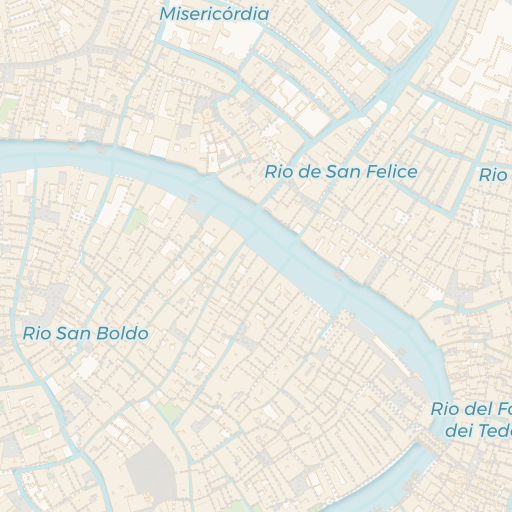
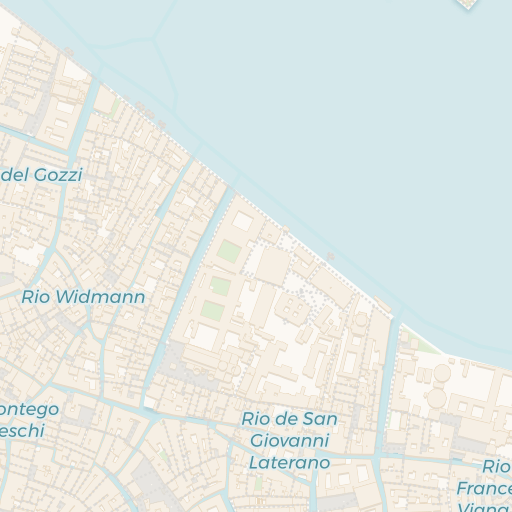
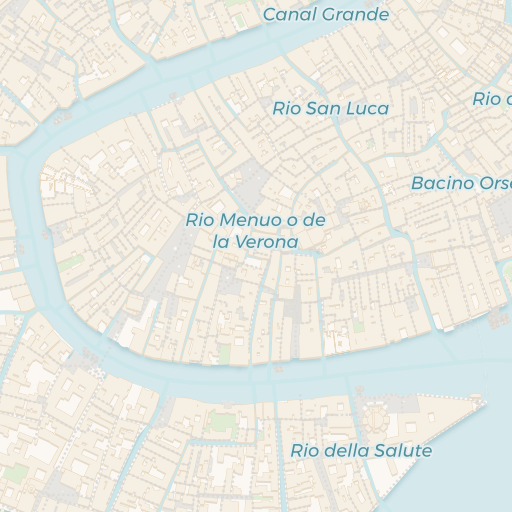
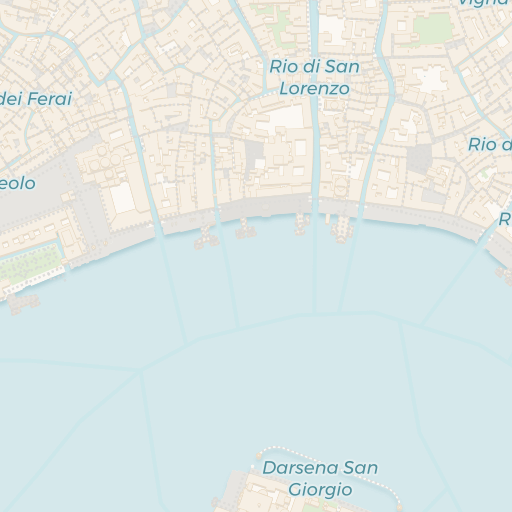
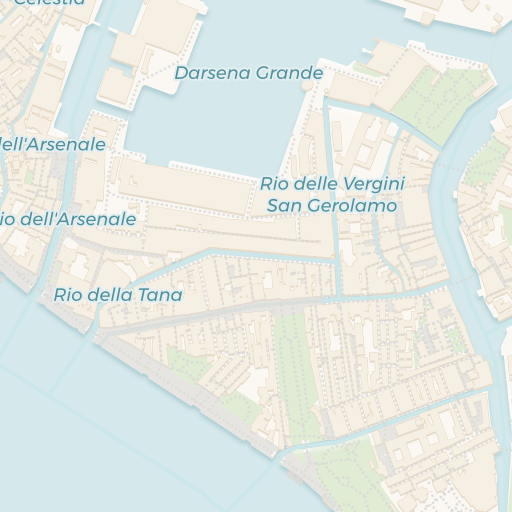
Indicazioni stradali Apri in Apple Maps
© OpenStreetMap contributors · © CARTO · 45.43426, 12.33867
Pianifica la visita
Piazza San Marco dà il meglio di sé al mattino presto, prima che la folla si infittisca, e assume una qualità quasi spettrale e nebbiosa nei mesi autunnali e invernali. Attorno alla piazza si trovano alcuni fra gli alberghi, i negozi e i ristoranti migliori di Venezia; un pontile per le gondole è a breve distanza e lo spazio è un punto di ritrovo abituale per gruppi e visite guidate.
Se la visita coincide con l'acqua alta, la piazza -- il punto più basso della città -- può allagarsi; in quel caso vengono disposte passerelle di legno che permettono comunque di attraversarla a piedi.
Quando visitare
La piazza è più suggestiva al mattino molto presto oppure nell'ora che precede la chiusura dei portici, quando i gruppi delle navi da crociera e la folla delle visite di metà giornata si sono diradati. La sera escono le orchestrine dei caffè lungo i portici, un paesaggio sonoro tipicamente veneziano che si apprezza soprattutto dopo il tramonto. Alla fine dell'inverno il Carnevale richiama in piazza una folla particolarmente intensa per le maschere e i costumi.