

Teatro di San Carlo
Last updated on September 30, 2026Why visit Teatro di San Carlo
The San Carlo is a working opera house whose present auditorium still follows the horseshoe plan rebuilt after the 1816 fire. It is encountered both as a performance venue and as a building whose royal box, tiers of boxes and stage machinery make Naples’ Bourbon court visible in the room itself.
Visit if you:
- want to compare an opera house’s architecture with a live performance venue
- care about the history of Neapolitan opera and ballet
- notice how royal power is expressed through circulation and sightlines
- can fit a guided visit around an active theatre schedule
Skip it if you:
- need a tour time that cannot move when rehearsals or performances change the route
- are looking only for an empty historic interior rather than a working theatre
Quick facts
- Type: Building, Theatre
- Local name: Teatro di San Carlo (vedi la pagina italiana)
- Visitor access: Guided tours only
- Reservation: Required — book before arriving
- Typical visit: About 1 hour
- Built: 1737; rebuilt 1816–1817
- Built by: Angelo Carasale
- Built for: Charles VII of Naples (Carlo di Borbone)
- Designed by: Giovanni Antonio Medrano; Antonio Niccolini (1816 rebuilding)
- Architectural style: Neoclassical theatre with horseshoe auditorium
- Capacity: 1379
Visit responsibly
San Carlo is an active theatre, not a static museum. Rehearsals, performances and technical work can change the route, so accept the staff’s instructions and do not treat a closed area as an invitation to look around.
The building has already needed repeated restoration, including after the 1816 fire and 1943 bombing. Its historic finishes should be treated as vulnerable working fabric.
Keep bags and equipment under control in the boxes and circulation spaces, and follow photography rules given by the tour staff so visitors do not obstruct movement or expose fragile finishes to unnecessary handling.
Where it is
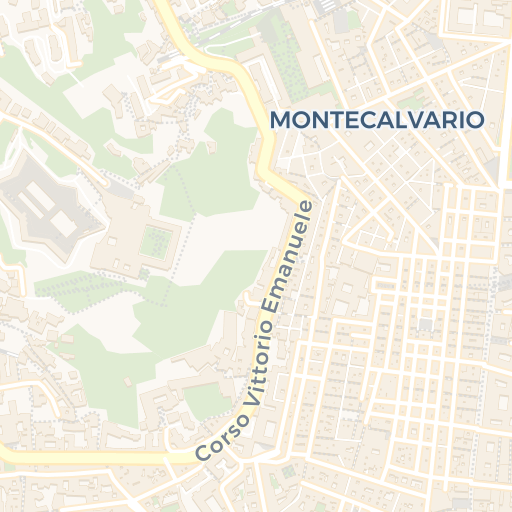
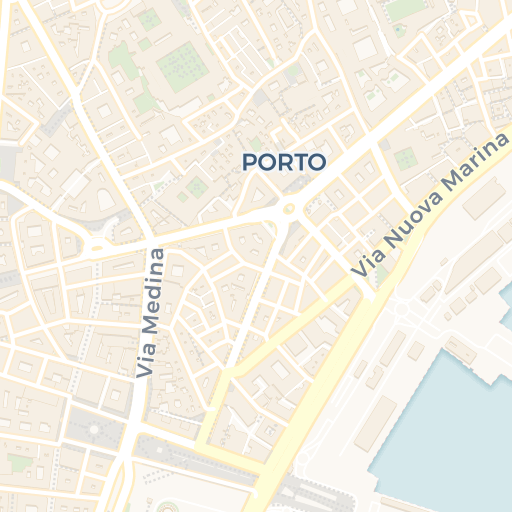
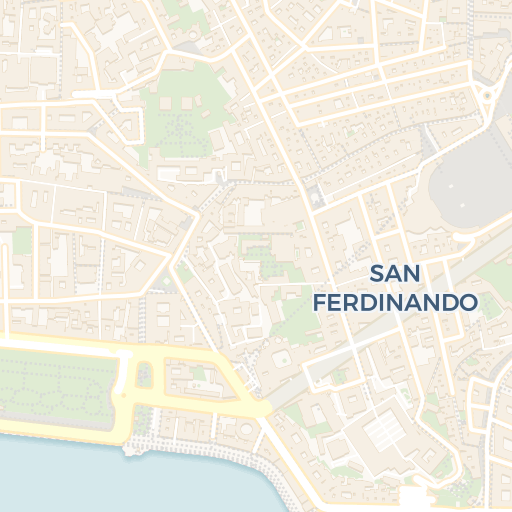
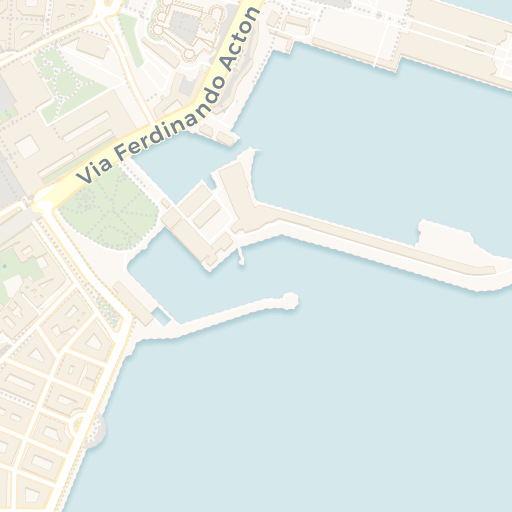
Get directions Open in Apple Maps
© OpenStreetMap contributors · © CARTO · 40.83737, 14.24981
Plan your visit
Guided visits require advance booking and remain subordinate to stage activity. The Ministry of Culture currently lists tour windows Monday to Saturday at 10:30–12:30 and 14:30–16:30, and Sunday at 10:30–12:30. Those windows are not a promise of a fixed departure: the theatre controls the active schedule, route and tariff, which can change for rehearsals and performances. Confirm the available time and current price with the official guided-visit service before travelling.
What is free
No free general interior admission is stated by the operator; the visitor route described here is a paid guided tour. Performances use separate tickets and schedules.
Ticket & Pass Decision Matrix
| Option | Cost | What it covers | Queue and booking | Verdict |
|---|---|---|---|---|
| Official guided visit | Confirm the active tariff | The route available around the working theatre that day | Reservation is mandatory | The only operator-backed way to plan an interior visit. |
| Free interior visit | Not offered as general admission | No regular free interior route is published | Do not arrive expecting museum-style walk-up access | Use the guided service or see the exterior. |
| Performance ticket | Varies by event and seat | The booked opera, ballet or concert, not a guided architectural tour | Follow the separate performance calendar | Choose this to experience the theatre in use, not as a tour substitute. |
| Campania Artecard | Current coverage is not citable here | Do not assume that it includes the guided visit | Confirm with the theatre before relying on the pass | Treat the visit as separately booked unless the operator says otherwise. |
| Third-party offer | Variable and not verified here | No guaranteed route beyond what stage activity permits | Official confirmation is still required | Book the theatre’s guided service unless a seller names a distinct service. |
Two turnstile rules. A reservation is required, and the listed time windows do not guarantee one fixed departure. Stage activity controls both route and timing, so an old season’s tariff or itinerary is not a promise for the day you visit.
Verified against Italian Ministry of Culture, September 2026.
When to visit
The best moment depends on whether the aim is architecture or performance. Guided tours run through the day, but the operator says the route follows stage activity, so a reserved slot is more reliable than an unplanned arrival. The opera season generally runs from late November to July and the ballet season from December into early summer. For the quietest architectural visit, choose a tour rather than a performance interval; for the fullest sense of the building, pair the tour with a scheduled production.