

Church of San Donato
Last updated on October 8, 2026Why visit Church of San Donato
A cathedral for eleven hundred years, demoted by an earthquake. San Donato was the seat of the diocese of Bagnoregio from the year 600 until 1699, when Innocent XII moved the see down the road after the shock of 1695. It keeps a wooden crucifix that a pious woman is said to have heard speak during the plague of 1499, and which still leaves the building on Good Friday to be carried in procession. Two Etruscan basalt sarcophagi are built into the base of the bell tower.
Visit if you:
- want the one building in Civita that is still doing its original job
- are interested in how a diocese gets relocated by geology
- like reused antiquity in plain sight -- there are Etruscan sarcophagi in the campanile footing
- can come on Good Friday, when the crucifix is taken down and carried out
Skip it if you:
- are expecting a cathedral interior: the 1695 earthquake and three centuries as a parish church took that away
- object to paying to reach it. Access to the borgo has been chargeable since June 2013
- cannot cross a footbridge on foot, which is the only way in
Quick facts
- Type: Church, Sacred Place, Historic Place
- Local name: Chiesa di San Donato (vedi la pagina italiana)
- Visitor access: Open to visitors
- Admission: Free
- Architectural style: Romanesque with a Renaissance facade
- Denomination: Roman Catholic
Visit responsibly
This building sits on ground that is actively being lost. Civita's base layer is a marine clay especially prone to erosion, under tufaceous and lavic upper layers, and the erosion is fast -- driven by torrents, weather and historic deforestation. It is why the chamber tombs that once lined the base of the cliff have mostly gone into landslides, why the Etruscans were already embanking rivers and cutting drainage channels after the tremors of 280 BC, and why the village is called the dying city. The Museo Geologico e delle Frane next to the church exists to explain exactly this.
San Donato is also a working parish church, and the crucifix in it is the focus of two patronal feasts and a Good Friday procession. On those days it is a congregation's building, not an exhibit.
About ten people lived in Civita in 2025. The 5-euro access charge introduced in June 2013 is what pays for the place -- the receipts were enough to abolish communal taxes in Civita and in Bagnoregio itself. Buying the ticket rather than looking for a way round it is the mechanism by which visitors fund a village they are also wearing down.
The Etruscan sarcophagi in the bell tower footing are structural. So is most of what looks decorative here.
Where it is
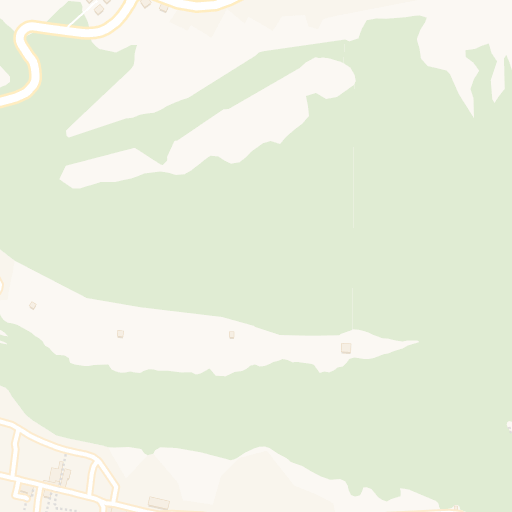
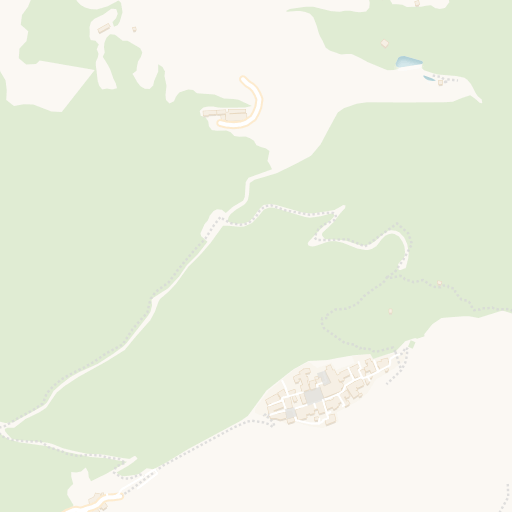
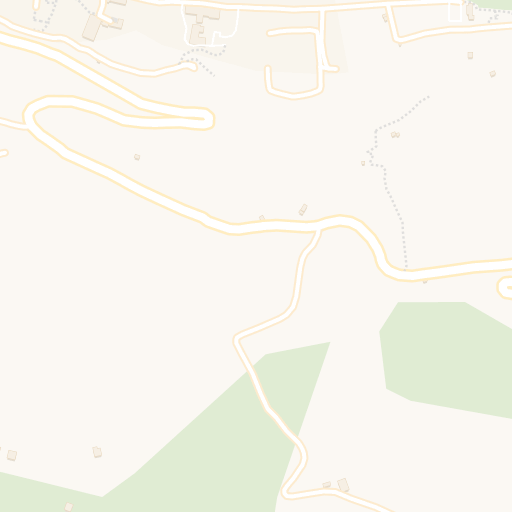
Get directions Open in Apple Maps
© OpenStreetMap contributors · © CARTO · 42.62806, 12.11389
Plan your visit
Admission: Free
The church itself is a parish church and is not ticketed. What is ticketed is getting to it: access to the borgo of Civita has been chargeable since June 2013, at 5 euros a head bought at the gate. Two ticket offices rotate under the comune's tourist-flow plan -- Piazzale Battaglini on the busier days, Saturdays, Sundays and public holidays, and Mercatello, near the bridge, on quieter ones.
If you do not already have a ticket, go to Piazzale Battaglini: on a quiet day it has convenient parking from which the village is a 15-minute walk, or a shuttle service runs to the Belvedere. On a busy day the Battaglini office is the one that is staffed. Tickets can also be bought in advance online or through the free Civita di Bagnoregio app, which is in Italian and English; queries go to +39 3248660940 or biglietteria.civita@gmail.com, 8:00-20:00.
Entry is free for a long list that is worth checking against: children under 6, residents of the borgo, citizens of the comune of Bagnoregio and their closest relatives, guests of house owners and clients of holiday lets inside Civita, licensed tourist guides accompanying a group and licensed tourist interpreters, registered journalists on production of a press card, one adult per ten paying pupils on a school trip, students and teachers of schools in the comune, museum and heritage-site directors on written invitation from the comune, and anyone with 100 per cent certified disability plus one companion each.
The last stretch is on foot regardless: the 1965 footbridge is pedestrian, and the entrance is the Porta di Santa Maria. The Museo Geologico e delle Frane in Palazzo Alemanni is a few steps from San Donato, and Good Friday is the day the crucifix leaves the church.
Verified against Civita di Bagnoregio -- biglietteria (patrocinio del Comune di Bagnoregio), October 2026.
When to visit
Good Friday is the day San Donato does something nothing else can replace: inside the church the SS. Crocifisso is taken down in a ceremony and laid on a bier, then carried out into Bagnoregio's centuries-old Good Friday procession. If the crucifix is the reason for coming, that is the date.
The rest of Civita's calendar is dense for a village of ten people, and most of it is on the square the church faces. The Palio della Tonna, in which Civita's contrade race on donkey-back, is run in the main square on the first Sunday of June and the second of September. The first of those Sundays is also the first patronal feast, Maria SS. Liberatrice; the second Sunday of September is the second, the feast of the SS. Crocifisso. The Tuscia in Jazz Festival takes the last week of July and the first of August, and at Christmas a living nativity plays out in the medieval lanes.
Outside those dates, spring and autumn are the comfortable seasons. Midsummer is hot on bare tufa with little shade, and the bridge crossing is exposed in any weather.