

Castel Sant'Angelo
Last updated on October 5, 2026Why visit Castel Sant'Angelo
The draw
There is a covered escape corridor from the Vatican to this building and it was used twice, in real emergencies. Turismo Roma records the Passetto, built under Niccolò III Orsini, carrying Pope Alexander VI out of the Vatican in 1494 during Charles VIII of France's invasion, and Pope Clement VII in 1527 during the Sack of Rome by Charles V's landsknechts. Most fortifications are theoretical. This one has a tested answer to the question it was built to ask.
And the building keeps changing what it is. A tomb for Hadrian from 135, once the tallest building in Rome; then a bastion of the Aurelian walls; then, after 1365, simultaneously a papal refuge, the Vatican Archive, a vault for the Treasure of the Church, a tribunal and a prison; then a museum, from 1925. Few buildings anywhere have had five jobs at once.
The friction
Nobody publishes when it is open. Turismo Roma gives no hours and no price for this monument, pointing instead at the Museo Nazionale's own page — which is not reachable from here. Check the museum's site before you go; this page cannot tell you.
And the climb to the terrace is continuous, through a building that was designed around a spiral ramp rather than lifts.
The tactic
Go for sunset and go to the top. Turismo Roma says it plainly: from the terraces, or from the wide openings along the outermost walkways, you get one of the most striking panoramas of the city, above all at sunset. That is the single reason to time the visit rather than just fit it in.
Then look for the clamps. In the burial chamber at the centre, the precious polychrome marble slabs are long gone but the clamps that held them are still there. It is the most direct evidence in Rome of a building being stripped — and the ashes themselves were scattered by Visigoths in 410, with the statuary thrown down on the besieging Goths in 537.
And find the cell. The Sammalò, or San Marocco, was a cell the condemned was lowered into from above, with barely room to crouch — unable to stand or to lie down. The same castle held Beatrice Cenci, Benvenuto Cellini, Cagliostro and Giordano Bruno, who was later burned at Campo de' Fiori.
Skip it if you:
- Need to know the hours in advance from this page. No reachable authority publishes them.
- Cannot manage a continuous ramp. The route up is the original spiral.
- Are coming only for Roman remains. Most of what you walk through is papal.
Quick facts
- Type: Museum, Historic Place, Castle, Mausoleum
- Visitor access: Open to visitors
- Admission: €15
- Reservation: Not required — tickets on the door
- Typical visit: About 1 hour 30 minutes
Visit responsibly
This was a prison within living memory of the building's current use. Turismo Roma records the prison function as kept at least until the early 1900s, and the museum opened in 1925. The cells — including the Sammalò, where a prisoner could neither stand nor lie down — are not a themed attraction.
Its most famous prisoners are not fictional. Beatrice Cenci, Benvenuto Cellini, Cagliostro and Giordano Bruno were held here; Bruno was afterwards burned at Campo de' Fiori.
The fabric has been stripped once already. The marble lining of the burial chamber is gone and only the clamps that held it remain; columns went to Saint Peter's; the statuary was thrown at besiegers in 537. What survives survived by accident, and the surfaces are original.
The terraces are working parapets, not viewing platforms. They are the top of a fortress, and the drop on the river side is the full height of the drum.
The bridge belongs to the city. Ponte Sant'Angelo is a pedestrian thoroughfare as well as a sculpture gallery; the angels are Bernini workshop marbles standing in the open at arm's height.
Where it is
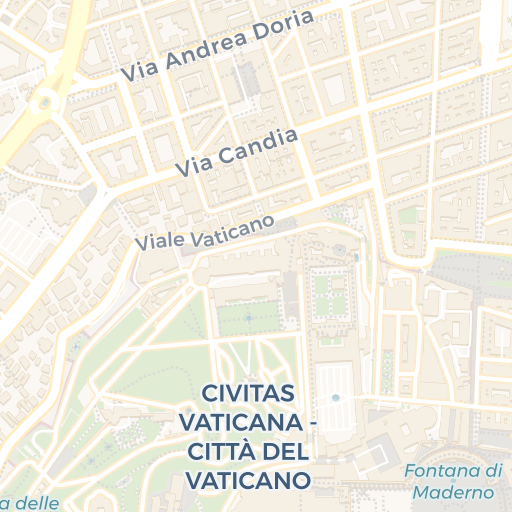
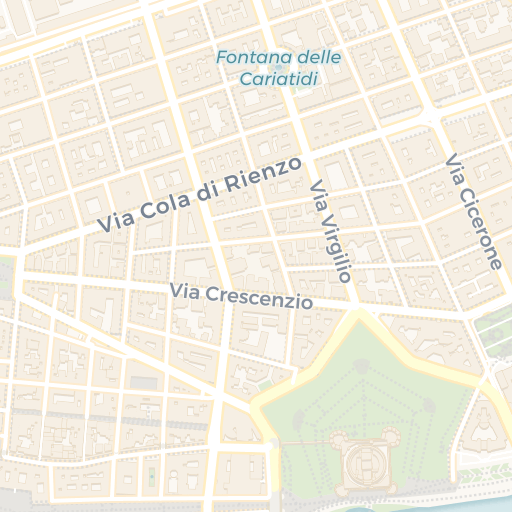
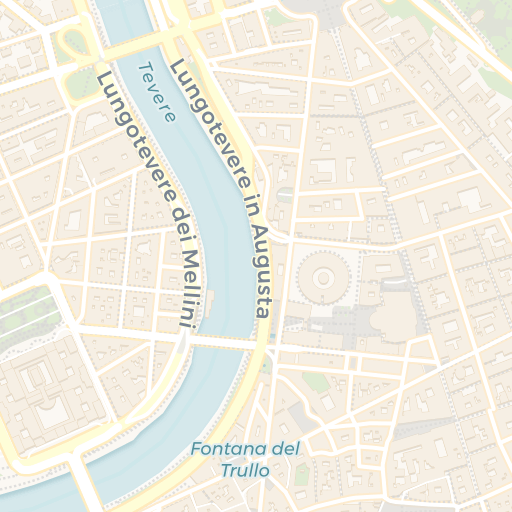
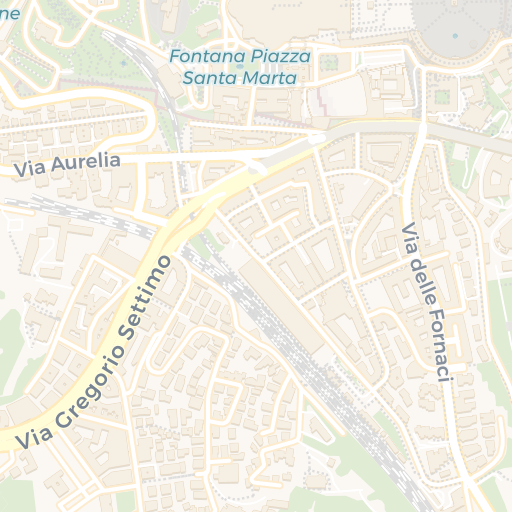
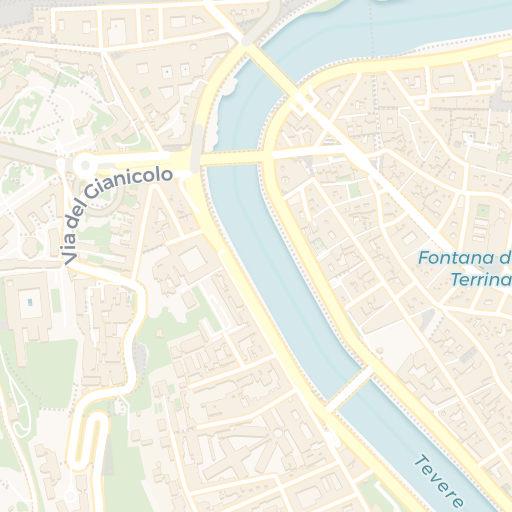
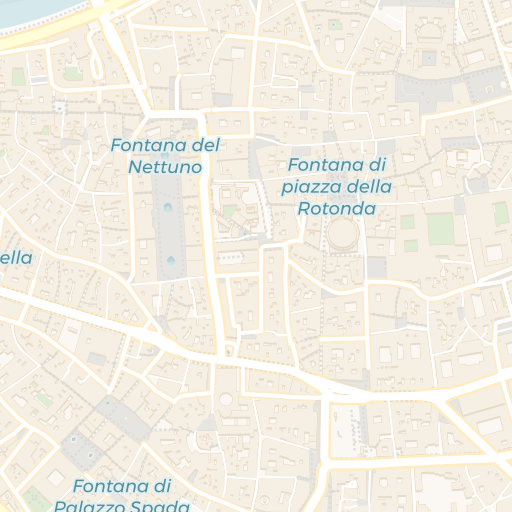
Get directions Open in Apple Maps
© OpenStreetMap contributors · © CARTO · 41.90312, 12.46634
Plan your visit
Admission: €15
Best viewpoint: From Ponte Sant’Angelo, where Bernini’s angels lead the eye to the drum.
Nobody reachable publishes the hours, and this page will not invent them
Turismo Roma has a full entry for Castel Sant'Angelo but, under its hours heading, says only that information for the visit is on the page of the Museo Nazionale di Castel Sant'Angelo, and links that museum's own site. It publishes no opening hours and no admission price. The museum's host is not reachable from here, so this page carries neither.
Check the Museo Nazionale di Castel Sant'Angelo's own page before you travel. That is the authority, and it is the one Turismo Roma itself defers to.
What is worth timing
Sunset, from the top. Turismo Roma records that from the terraces, or from the wide openings along the outermost walkways, you can enjoy one of the most striking panoramas of the city, above all at sunset. It is the one thing here that depends on the hour rather than the ticket.
What the building is now
A museum since 1925 — before which it had been, at various times and sometimes at once, a mausoleum, a bastion of the Aurelian walls, a papal refuge, the seat of the Vatican Archive, a vault for the Treasure of the Church, a tribunal and a prison, the last of those at least until the early 1900s.
What is free
The bridge is free and it is half the experience. Ponte Sant'Angelo carries ten marble angels placed by Clement IX between 1667 and 1669, made by Bernini and his workshop and holding, as the reference work notes, instruments of the Passion of Christ. Walking it costs nothing and gives the best view of the castle there is.
Also free: the exterior circuit. The moats and bastions were reinstated in 1933–34 and the ground outside the fortifications laid out as a garden, so the four pentagonal bastions can be walked round without a ticket.
Ticket & Pass Decision Matrix
| Option | Cost | What it gets you | Queue and booking | Verdict |
|---|---|---|---|---|
| Museum admission | Not published by Turismo Roma, which defers to the Museo Nazionale di Castel Sant'Angelo | The ramp, the papal apartments, the cells and the terrace | Check and book on the museum's own page | The only way inside. This page cannot tell you the price or the hours, and says so rather than guessing. |
| Ponte Sant'Angelo | Free | Ten Bernini-workshop angels and the best view of the castle there is | None — it is a public bridge | Half the experience, and the half most people walk across without stopping. |
| The outer circuit | Free | The four pentagonal bastions and the moat, laid out as garden in 1933–34 | None | Worth twenty minutes whether or not you go in. |
| Roma Pass | Nothing citable | Turismo Roma publishes no Roma Pass arrangement on this monument's page | Not bookable as a pass entry there | Check with the museum rather than planning around it. |
| Arriving without checking | — | Possibly nothing | No reachable authority publishes the opening hours | The specific risk at this monument. Confirm before travelling. |
How long
An hour and a half inside, plus time on the bridge.
Verified against Turismo Roma, October 2026.
When to visit
Late afternoon, finishing on the terrace. Turismo Roma singles out the view from the top above all at sunset, and the building is arranged so that the terrace is the end of the route rather than the start — which makes the natural visit one that arrives a couple of hours before dusk.
Check the museum's own page for the hours first. Turismo Roma publishes none and points at the Museo Nazionale di Castel Sant'Angelo, so there is no way to plan the timing from here. For a visit whose whole point is being at the top at a particular moment, that check is not optional.
The bridge is best early and late. Ponte Sant'Angelo is pedestrian and crowded through the middle of the day; at either end of it the ten angels can actually be looked at one by one.
Winter suits the interior. The route climbs a continuous ramp through a solid brick mass, which is cool in summer and genuinely cold in January — but the painted rooms and the prison cells are the part that does not depend on weather or light.