

Archbasilica of St. John Lateran (Cathedral)
Last updated on October 4, 2026Why visit Archbasilica of St. John Lateran (Cathedral)
The draw
This, not Saint Peter's, is the cathedral of Rome. The reference work is precise about it: the Catholic cathedral of the Diocese of Rome, the seat of the bishop of Rome, the only archbasilica in the world, holding the cathedra of the Roman bishop and the title of ecumenical mother church. Turismo Roma calls it the mother of all the churches of the world. It is the oldest of the four major papal basilicas, the oldest public church in Rome and the oldest basilica in the Western world — and it is four kilometres from the Vatican, with a fraction of the queue.
Three things here are strange enough to be worth the trip on their own. You go in through the bronze doors of the Roman Senate House, moved here from Sant'Adriano al Foro Romano by Alexander VII in 1660. A cavalry barracks lies directly beneath the nave — the Castra Nova equitum singularium, built by Septimius Severus in AD 193, whose guard backed Maxentius and was abolished and demolished for it, found again in the 20th century under the cosmatesque floor. And the president of the French Republic is ex officio the First and Only Honorary Canon of this basilica, as French heads of state have been since Henry IV.
The friction
It is six sites with six timetables and no published price. Basilica 07.00–18.30, sacristy 08.00–12.00 and 16.00–18.00, cloister 09.00–18.00, baptistery 07.00–12.30 and 16.00–19.00, historical archive Monday to Friday 08.30–13.00, museum 10.00–17.30. Turismo Roma warns the hours may vary and says to contact the basilica, and publishes no admission price at all — so whether the cloister and museum charge is not something this page can tell you.
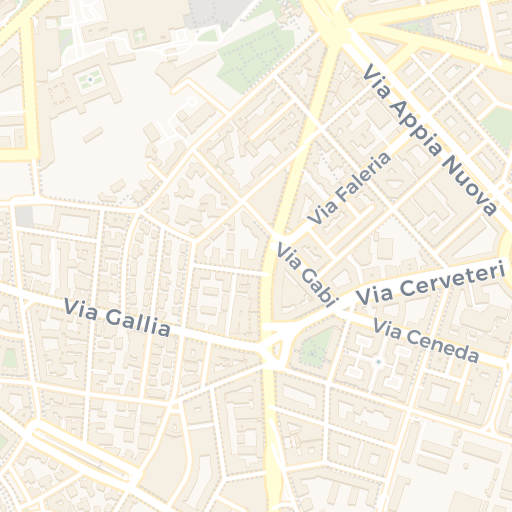
And it is out of the centre, which is why it is quiet.
The tactic
Do the cloister, and do it before 18.00. Turismo Roma singles it out and the museum as the two things that merit a visit here, and gives the cloister to Pietro Vassalletto, of the same family of Roman marble workers who built the one at Saint Paul Outside the Walls. Seeing both cloisters in one trip is the best thing a Rome itinerary can do with two papal basilicas.
Then leave the baptistery until last, because it is open latest. It runs to 19.00 — half an hour after the basilica closes and a full hour after the cloister. It is the one part of this complex that rewards arriving late, and almost nobody plans for it.
And look down. The cosmatesque pavement is where the barracks of the equites singulares were found. The floor is the oldest surface in a building that has otherwise been rebuilt around it.
Skip it if you:
- Are hunting Giotto. Boniface VIII's benediction loggia was frescoed by Giotto and Cimabue and those frescoes are lost.
- Arrive after six. Only the baptistery will still be open.
- Want an ancient interior. The nave is Borromini's of 1650 and the front is Galilei's of 1735; the antiquity here is underneath and underfoot.
Quick facts
- Type: Building, Sacred Place, Historic Place, Church
- Visitor access: Open to visitors
- Admission: Free
- Denomination: Roman Catholic
Visit responsibly
This is the cathedral of a working diocese, not an annexe of the Vatican museums. It is the seat of the bishop of Rome and houses the cathedra of the Roman bishop; Turismo Roma calls it the mother of all the churches of the world. People come here to worship rather than to queue.
You are on Holy See property, not Italian. As properties of the Holy See, the archbasilica and its adjoining buildings enjoy extraterritorial status from Italy under the Lateran Treaty of 1929. Vatican dress rules apply: shoulders and knees covered.
The floor is the artefact. The cosmatesque pavement is medieval, it is walked on by everyone who enters, and its restoration is what uncovered the barracks of the equites singulares beneath. Stay off any area that is roped or matted, and keep tripods and wheeled cases off it.
The cloister is a store as much as a courtyard. It holds the architectural elements, sculptures and ornaments of the ancient basilica — effectively what survived the fires that destroyed the early Christian church. The fragments are not barriered.
Hours change for liturgy. Turismo Roma warns explicitly that the timetable may vary, which in a cathedral means a service has priority over a visit. If one is running, the right response is to wait or come back.
Where it is
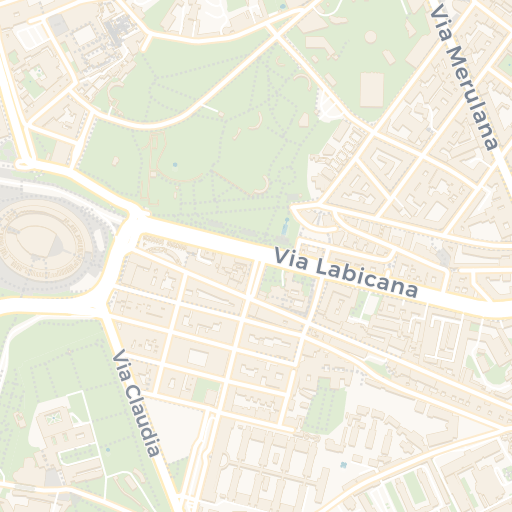
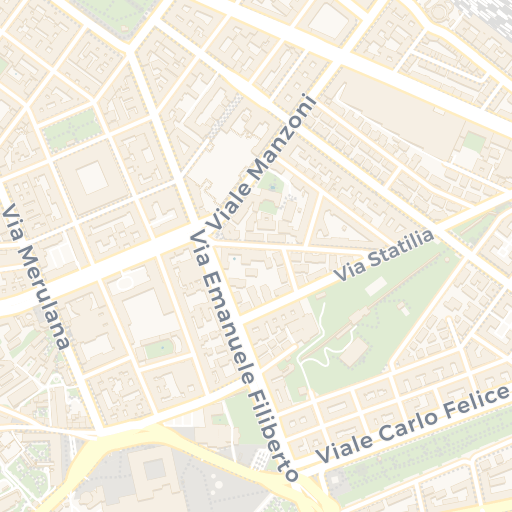
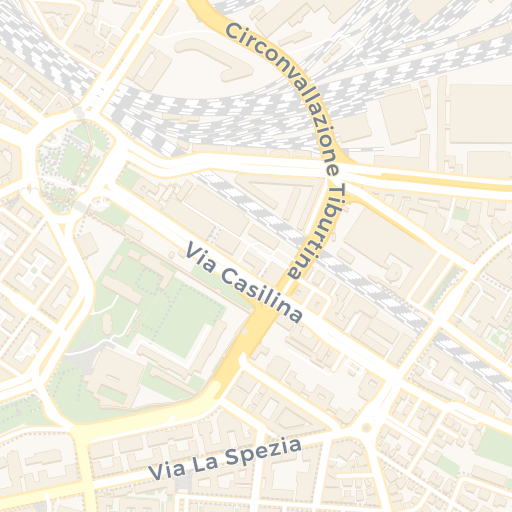
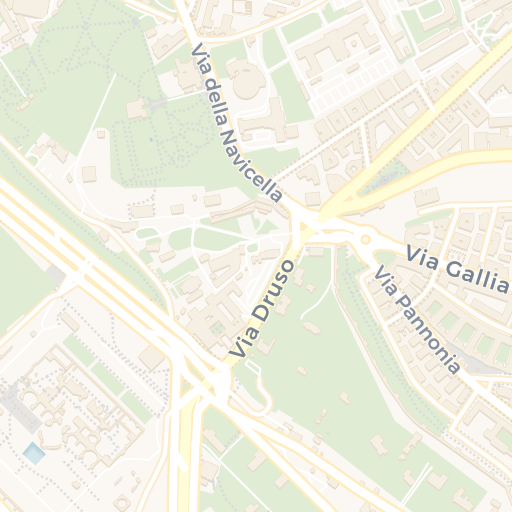
Get directions Open in Apple Maps
© OpenStreetMap contributors · © CARTO · 41.88585, 12.50559
Plan your visit
Admission: Free
Six timetables, and no published price
The Lateran is a complex rather than a single building, and Turismo Roma publishes a separate opening time for each part:
- Basilica — 07.00–18.30
- Baptistery — 07.00–12.30 and 16.00–19.00
- Sacristy — 08.00–12.00 and 16.00–18.00
- Cloister — 09.00–18.00
- Museum of the basilica — 10.00–17.30
- Historical archive — Monday to Friday, 08.30–13.00
The baptistery outlasts everything else by half an hour, closing at 19.00 when the basilica has shut at 18.30 and the cloister at 18.00. If you arrive late, that is what is still open.
Admission
Turismo Roma publishes no admission price — not for the basilica, not for the cloister, not for the museum. That is a gap in the source rather than a statement that everything is free, so treat the cloister and museum as possibly ticketed and ask at the door.
Before you travel
Turismo Roma warns that the hours may be subject to variation and advises always contacting the basilica, giving the number as 06 69886433. It also lists guided visits among the services available.
What is worth the time
Turismo Roma singles out two things: the museum, which gathers precious liturgical furnishings, and the cloister, Pietro Vassalletto's masterpiece of cosmatesque art, where architectural elements, sculptures and ornaments from the ancient basilica are kept.
How long
An hour and a half for the basilica, cloister and baptistery together.
Verified against Turismo Roma, October 2026.
When to visit
Open at seven, and that is the hour to use. Both the basilica and the baptistery open at 07.00, which is earlier than almost anything else in Rome, and this is a very large building that takes a long time to fill.
Plan backwards from the cloister, not the church. The cloister closes at 18.00 and the museum at 17.30, while the basilica runs to 18.30. Arriving at half past five gets you the nave and neither of the two things Turismo Roma says are worth visiting.
Leave the baptistery for the end. It is open 16.00–19.00 in the afternoon — the last part of the complex still admitting visitors — and it has its own middle-of-the-day closure from 12.30.
Midday is the gap. Between 12.30 and 16.00 the baptistery and the sacristy are shut and the archive has closed for the day; only the basilica, the cloister and the museum are running.
6 August is the titular feast — the Transfiguration — because Christ the Saviour is the basilica's primary dedication, despite the name.
And check before you go. Turismo Roma states that the hours may be subject to variation and recommends contacting the basilica. For a site this far from the centre, that is worth two minutes.