

Palatine Hill
Last updated on October 5, 2026Why visit Palatine Hill
The draw
This is where Rome says it began, and where it was actually governed. Huts of the ninth to seventh centuries BC have been excavated on the hill; on top of them the emperors built residences so large that the hill's name, Palatium, became the word for "palace" in most European languages. From the Farnese Gardens terrace you look straight down the length of the Forum.
The problem when visiting
It is on the same ticket as the Colosseum and the Roman Forum, which means most people have already paid for it and never go up. It is also the hardest of the three to read — overlapping palaces of different reigns, largely unlabelled, on a steep unshaded hill.
The tactic
Do the Palatine first, not last. Almost everyone does the Colosseum, then the Forum, then runs out of energy at the bottom of the hill. Reverse it: climb while it is cool, use the Farnese Gardens terrace to see the Forum laid out before you walk through it, then descend. The archaeological ticket is timed at the Colosseum, so check which entry your slot governs before planning the order.
Skip it if you:
- Cannot manage a steep climb in the sun. The hill is gravel, worn stone and gradient, with very little shade. In July this is a real consideration rather than a caution.
- Want buildings you can recognise. The Palatine is foundations, brick cores and vaulted substructures. If the Colosseum and the Pantheon are what you came for, this will read as rubble.
- Have under two hours for the whole archaeological area. Then spend them on the Colosseum and the Forum; the Palatine is the one that rewards the unhurried visit.
- Are looking for the Lupercal. The cave identified in 2007 beneath the Domus Livia is disputed and is not part of the visitor route.
Quick facts
- Type: Site Complex, Ruins, Historic Place
- Local name: Palatino (vedi la pagina italiana)
- Reservation: Required — book before arriving
- Typical visit: About 2 hours
- Built: Inhabited since the <span class="timeline-date">10th century B.C.</span>; imperial palaces 1st century A.D.
- Built by: Augustus, Tiberius, Domitian and their successors
- Built for: The imperial residence of Rome
- Architectural style: Roman imperial
- Size: 25–53 ha (sources differ)
- Where the word palace comes from: The emperors' residences on the Palatium gave every later European language its word for a palace.
- Two ancient measurements: The Forma Urbis gives its perimeter as 25 ha; the 4th-century Regionary Catalogues give 53 ha.
Visit responsibly
Stay on the paths, which is harder advice to follow here than elsewhere. The Palatine is an open hill rather than a marked route, and the temptation to cut across a grassy terrace for a better angle is constant. Those terraces sit directly on unexcavated deposits and on the vaulted substructures of the palaces; foot traffic on soft tufa is how edges erode and how fill settles into the voids beneath.
Do not climb on, sit on, or lean against the brickwork. Much of what looks like a low wall is the top of a standing Roman structure under active consolidation. Italian law treats damage to a protected monument as a criminal matter.
Bring water and refill it. Rome's nasoni street fountains run cold and free, and there are drinking points within the archaeological area. On a shadeless hill in August this is both the practical answer and one fewer plastic bottle in a site handling millions of visitors.
Buy from the official ticketing. The resale trade outside the Colosseum is persistent and sells the archaeological ticket at a markup, frequently as a "skip the line" that skips nothing. Booking direct removes the transaction entirely.
Give the excavation room. Work continues on the hill — the Palatine House was announced in 2006 and the cavity beneath the Domus Livia in 2007 — so fenced areas are usually an active dig rather than neglect. If you can step over it easily, that is what the fence is for.
Where it is
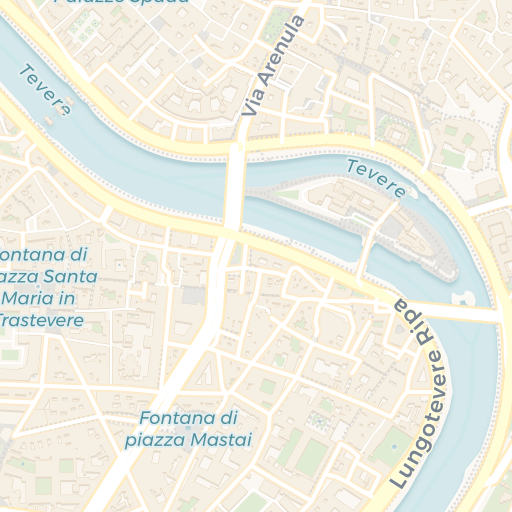
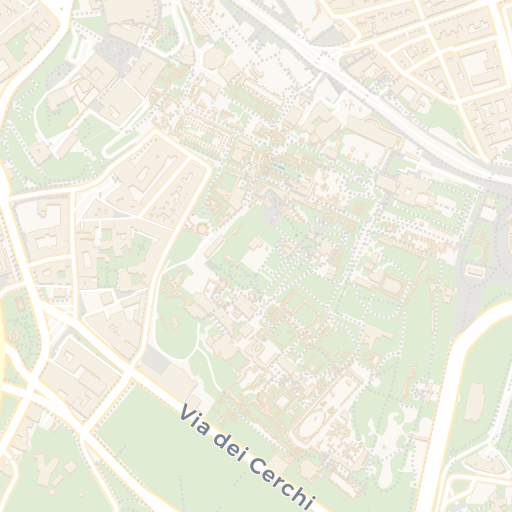
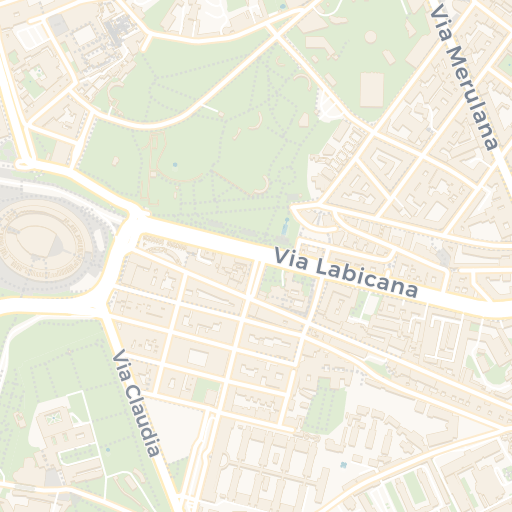
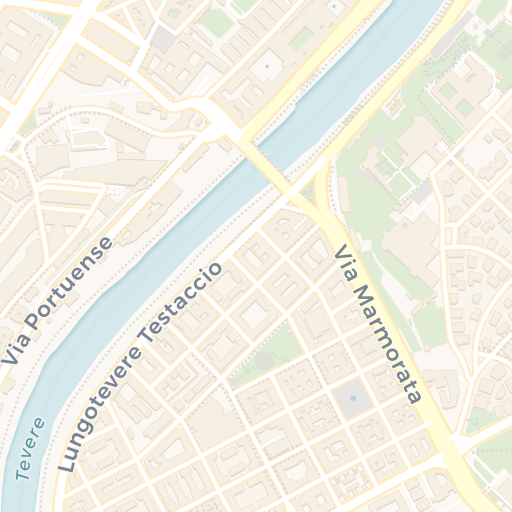
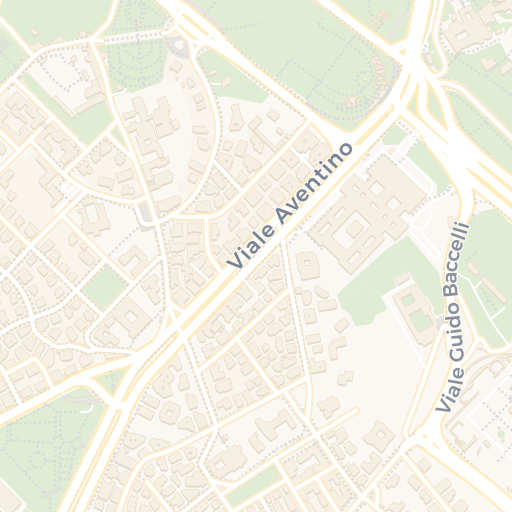
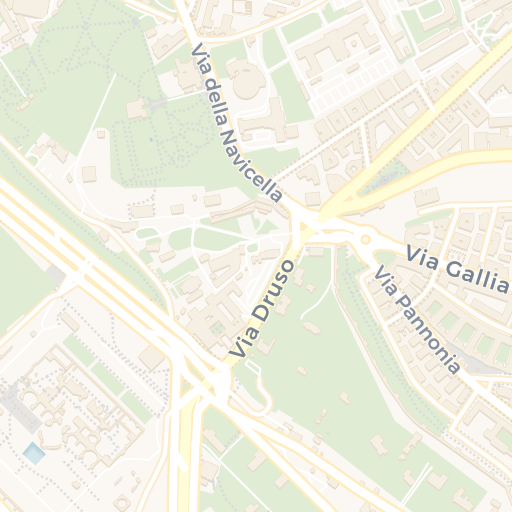
Get directions Open in Apple Maps
© OpenStreetMap contributors · © CARTO · 41.88833, 12.48694
Plan your visit
Best viewpoint: The Farnese Gardens terrace above the Domus Tiberiana, looking down the whole length of the Roman Forum.
It is on the Colosseum ticket
The Palatine is not sold separately in the ordinary way: it is part of the archaeological area ticketed together with the Colosseum and the Roman Forum, on a single timed-entry ticket. For most visitors the Palatine is already paid for — the practical question is not whether to buy it but whether to walk up.
This page quotes no price, and that is deliberate. Every operator for this archaeological area is unreachable from here, and the city's own tourist portal has no Palatine page. Rather than repeat a figure from memory, the current price, the timed-slot rules and the calendar are left to the official ticketing site, which is the only thing that can be right about them. Treat any price you see quoted elsewhere — including on older pages of this site for the Colosseum and Forum — as needing confirmation.
Ticket & Pass Decision Matrix
| Option | Cost | What it gets you | Queue and booking | Verdict |
|---|---|---|---|---|
| The joint archaeological ticket | Not published here — check the official ticketing | Colosseum, Roman Forum and Palatine Hill | Timed entry, governed at the Colosseum; book ahead | The normal route in. The Palatine costs nothing extra, which is exactly why so few people bother to climb it. |
| Forum and Palatine without the Colosseum | Not published here | The Forum and the hill above it | Generally less constrained than the Colosseum slots | Worth asking about if the Colosseum is sold out: the two sites that share a fence are the better half of the walk anyway. |
| The free zone | €0 | Via di San Gregorio and the Circus Maximus side, which give the hill's southern elevation and the palace substructures from below | None — open street | The consolation prize if you have no ticket, and a genuinely good one: the scale of the substructures reads better from outside the fence than inside it. |
| Roma Pass | Not published | More than 100 Rome attractions including archaeological areas, plus public transport, over 48 or 72 hours | Does not remove the timed booking for the archaeological area | The city states the pass covers archaeological areas; it advises checking access, booking, days and hours with each site, which for this one is essential rather than boilerplate. |
| Third-party resellers | Marked up | The same timed slot | Sold aggressively outside the Colosseum as "skip the line" | Avoid. The queue they claim to skip is the security screening, which nobody skips. |
Two turnstile rules. First, the timed slot on a joint ticket is governed at the Colosseum, so plan the order of the three sites around that entry rather than around the walk. Second, re-entry between the three is limited — check before you leave one expecting to come back.
What is free
The hill itself is fenced, but a great deal of it is visible for nothing. Via di San Gregorio runs along its eastern flank, and the Circus Maximus side gives the southern elevation: from there the imperial palace substructures rise in tiers, and their scale is arguably clearer from below than from inside. The Circus Maximus is itself an open public space with no admission.
Everything inside the fence is ticketed — the Farnese Gardens, the palaces, the museum and the huts. There is no free entrance to the archaeological area.
On the ground
It is a hill, and the visit is a climb: gravel paths, worn stone, gradient and very little shade. Allow two hours to do it properly, and more in summer, when the lack of shade is the governing fact rather than a detail.
The Palatine is entered from the Roman Forum or from the Via di San Gregorio gate. The Via di San Gregorio entrance is usually the quieter of the two.
Verified against Turismo Roma, September 2026.
When to visit
Go up first thing, and go up before the Forum rather than after it. The standard route — Colosseum, Forum, then the hill — puts the steepest climb at the point where a visitor has least left. Reversing it costs nothing and changes the day.
April to early June and late September into October are the workable months: long light, temperatures that make a shadeless hill reasonable, and the Farnese Gardens at their best.
Avoid the middle of a July or August day. This is not a comfort note. There is essentially no shade on the hill, the surfaces are gravel and stone that hold heat, and the climb is sustained.
Winter is underrated here, more so than for the Colosseum: low sun rakes across the Forum from the Farnese terrace, and the hill is nearly empty. The cost is a short opening day.
Late afternoon is the second-best slot, and the best one for photographs from the gardens looking down over the Forum.