

Ponte Sant'Angelo
Last updated on October 5, 2026Why visit Ponte Sant'Angelo
The draw
Ten Bernini angels at head height, outdoors, for nothing. The bridge carries ten statues of angels bearing the symbols of the Passion, added in 1668: Bernini designed the figures at the commission of Clement IX and his pupils carved them. There is no ticket and no queue.
And it is a Roman bridge still doing its job. Built in 136 by Hadrian to reach his mausoleum, it is still the pedestrian way to Castel Sant'Angelo nineteen centuries later.
The history on it is unusually vivid. Dante records its 1300 one-way system; a papal mule caused a lethal crush in 1450; and from 1488 to 1534 it was where the bodies of the executed were displayed.
The friction
- It is a thoroughfare. The route between the centre and the Vatican runs across it, so it is rarely quiet.
- The angels are copies in part. What stands here is the scheme Bernini designed and his pupils executed, not his own chisel throughout.
- There is nothing to enter. Twenty minutes, on foot, and that is the whole visit.
The tactic
Walk it both ways. The angels face outward along both parapets; crossing once shows you half the scheme.
Go at dusk. The lamps come on between the statues and the figures light from below, which is when the bridge stops being a route and becomes the thing you came for.
Then get off it and look back. From the embankment downstream you see the arches in profile with the angels along the top — the view the bridge cannot give you from on it.
Pair it with Castel Sant'Angelo, which it was built to reach. The bridge is the approach Hadrian designed, so crossing it first is the historically correct order and costs nothing.
Skip it if you:
- Want quiet. It is one of the busiest pedestrian crossings in Rome.
- Need to sit down. There is nowhere on the bridge to stop properly.
- Are collecting interiors. This is entirely an outdoor, twenty-minute walk.
Quick facts
- Type: Bridge, Monument, Historic Place, Roman
- Local name: Ponte Sant'Angelo (vedi la pagina italiana)
- Built: Built <time datetime="0136">136</time> as the Pons Aelius; present appearance from <time datetime="1882">1882</time>
- Built by: The emperor Hadrian
- Built for: To connect the city to the entrance of Hadrian's mausoleum, now Castel Sant'Angelo
- Designed by: Angels designed by Gian Lorenzo Bernini, executed by his pupils
- Architectural style: Roman bridge with Baroque sculpture
- Dante recorded its one-way system: In the Holy Year of 1300 the pilgrim crowds forced two opposite routes along the bridge, divided by a row of stalls.
- A pope's mule once killed dozens: In the Holy Year of 1450 an accident caused by the white mule carrying Nicholas V broke the parapets and people drowned.
Visit responsibly
It is a working crossing before it is a monument. The route between the centre and the Vatican runs over it; stopping to photograph in the middle of the span blocks a genuine thoroughfare.
The sculpture is unglazed, unguarded and within reach. Ten angels designed by Bernini stand on open parapets in the weather, with nothing between them and the public but a pedestal.
The structure underneath is nineteen centuries old. The arches are Hadrian's, of 136, and they have already failed once under crowd load — the parapets broke in 1450.
Remember what the place was. From 1488 to 1534 this bridge and the square in front of it were used for the public display of the bodies of the executed. It is worth knowing while standing on it.
Use the embankments for photographs. The best view of the bridge is from beside it, which also takes you off the crossing and out of everyone's way.
Where it is
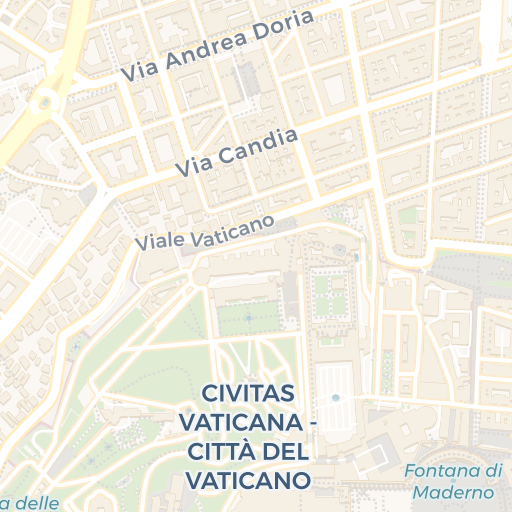
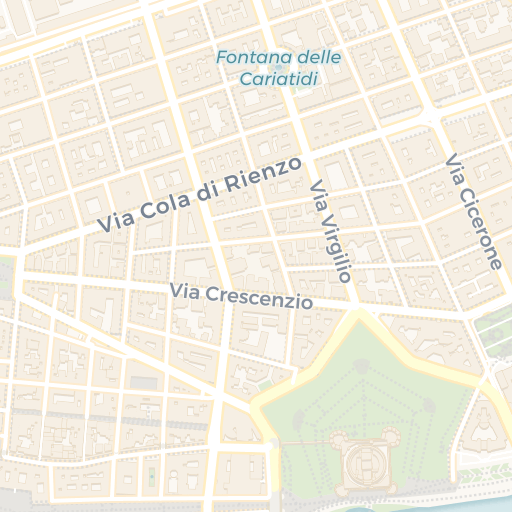
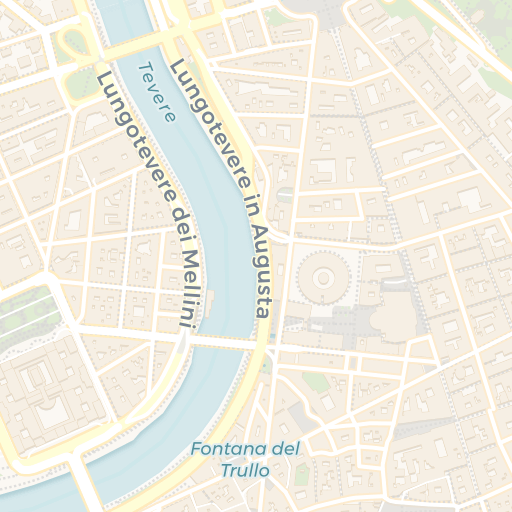
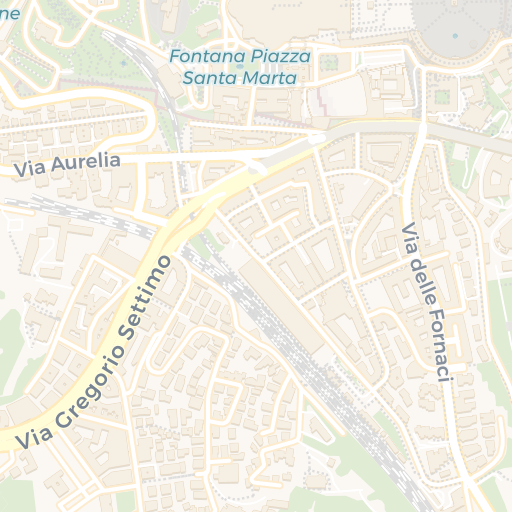
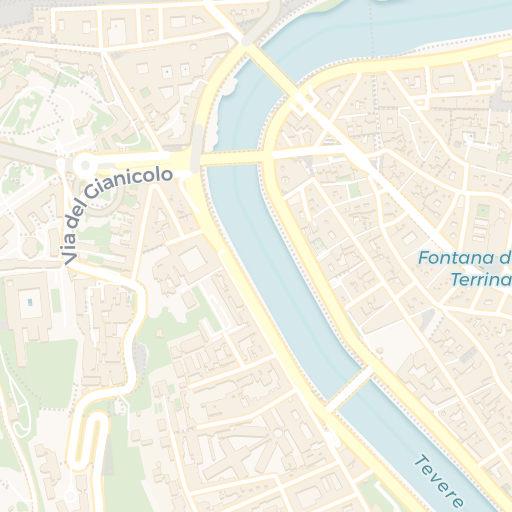
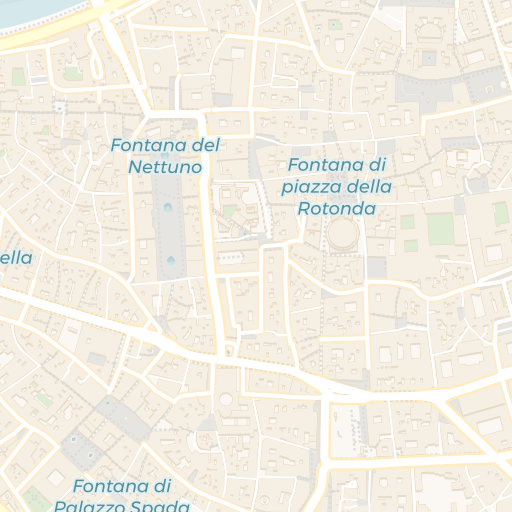
Get directions Open in Apple Maps
© OpenStreetMap contributors · © CARTO · 41.9012, 12.4665
Plan your visit
It is free, open at all hours, and there is nothing to book
Ponte Sant'Angelo is a public pedestrian bridge over the Tiber. There is no ticket, no gate and no timetable — it is a street that happens to carry ten Bernini angels.
What that means in practice
- Allow about twenty minutes to cross, look, and come back along the other parapet.
- Walk it in both directions. The angels face outward on both sides; one crossing shows half the scheme.
- It is a through route between the centre and the Vatican, so expect continuous foot traffic.
Ticket & Pass Decision Matrix
| Option | Cost | What it gets you | Booking | Verdict |
|---|---|---|---|---|
| Crossing the bridge | Free | All ten angels, at close range, plus St Peter and St Paul | None | This is the whole visit, and it is unticketed at every hour. |
| Viewing from the embankment | Free | The arches in profile with the angels along the top | None | The view the bridge cannot give you from on it. Worth the detour down. |
| Coming at dusk | Free | The lamps lit between the statues | None | The best hour here by a wide margin, and it costs nothing to choose it. |
| Combining with Castel Sant'Angelo | Castle ticket | The bridge is the approach Hadrian designed to it | Castle's own | The historically correct order, and the bridge half stays free. |
A note on what you are looking at
The angels are the scheme Bernini designed and his pupils executed — his conception throughout, his hand not throughout.
Verified against Turismo Roma, October 2026.
When to visit
Dusk, decisively. The standing lamps between the statues come on, the angels light from below, and the bridge separates visually from the dark mass of the castle behind it. No other hour here compares.
Early morning for quiet. This is a through route between the centre and the Vatican and it is busy for most of the day; before the first crowds it is possible to walk the whole span and stop at each figure.
Any season, any weather, any hour. There is no gate, no ticket and no timetable, so it is one of the few things in Rome that is never shut.
Winter evenings come early, which brings the lamps on at a civilised hour rather than late — a real advantage for a short winter day.
Avoid the middle of a Holy Year if you can. The crowding that forced a one-way system in 1300 and broke the parapets in 1450 has never entirely stopped being the bridge's defining problem.