

Temple of Jupiter Anxur
Last updated on October 8, 2026Why visit Temple of Jupiter Anxur
Twelve arches of Roman concrete hold a platform 227 metres above the sea, and the temple on top has lost everything but its podium. What survives is the substructure -- and the substructure is the point: a terrace built to be seen from the Appian Way and from the water, by a technique invented in Rome a generation earlier. Behind the temple there is an isolated rock with connected cavities inside it, which let a breath of air out: the oracle. Sea currents rising through it are what the rites depended on.
Visit if you:
- want the clearest surviving example of the terraced Republican sanctuary -- the family that includes Palestrina and the Hercules sanctuary at Tivoli
- are interested in Roman concrete as architecture rather than as infill: here it does the whole job
- like a site whose dedication is still argued over -- Jupiter, Venus Obsequens or Feronia, depending which inscription you weigh
- want a view that takes in the Pontine plain, the Ausoni and the Tyrrhenian in one turn
Skip it if you:
- are expecting standing columns. The great temple is a podium; the arcades below it are what is upright
- cannot handle a climb and exposed terraces at 227 m
- want the ninth-century frescoes without hunting: they are inside a converted substructure corridor at the small temple, not in an obvious church
Quick facts
- Type: Roman, Temple, Ruins
- Local name: Tempio di Giove Anxur (vedi la pagina italiana)
- Visitor access: Open to visitors
- Architectural style: Roman Republican, opus incertum
- Size: great temple 18.70 x 32.58 m
- Elevation: 227 m
Visit responsibly
What stands at Anxur is mostly substructure, and substructure is load-bearing. The twelve arcades carry the platform the temple stood on; the rooms behind them intercommunicate through arched passages in walls that are still doing their job. The cella was already lined with a reinforcing wall in antiquity, possibly after a fire, so this is a building with a repair history.
The fragile surfaces are indoors and are the oldest decoration on the site. The nine rooms of the small temple terrace keep stucco and paint imitating marble from the third quarter of the second century BC, and the ninth-century Madonna and Child between Michael and Gabriel is on the end wall of the corridor the monks made into a church. Both are plaster. Neither is behind glass in the way a museum would put it.
The oracle was walled off in antiquity and reachable only from the end of the portico, and the cavities inside its rock are the mechanism -- the thing that let the air out. Climbing on it is standing on the apparatus.
The site is a natural monument as well as an archaeological one, protected since 2000 and entrusted to the Comune di Terracina. The 7-euro ticket goes to the Fondazione Città di Terracina, which runs it.
Where it is
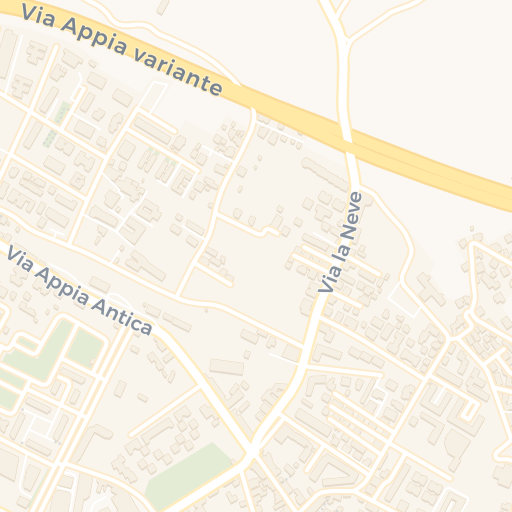
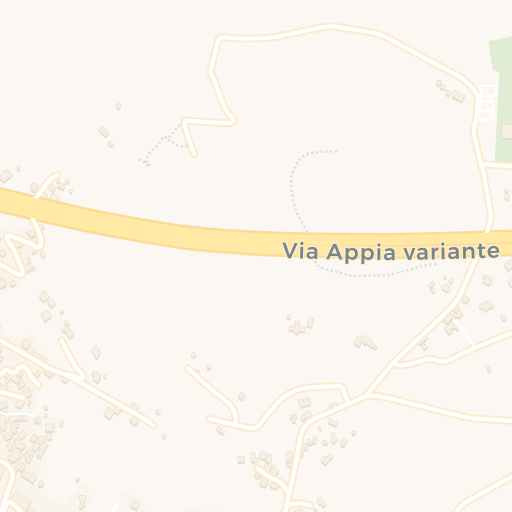
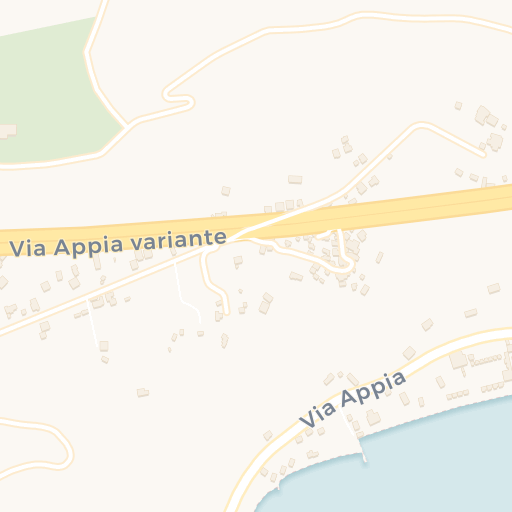
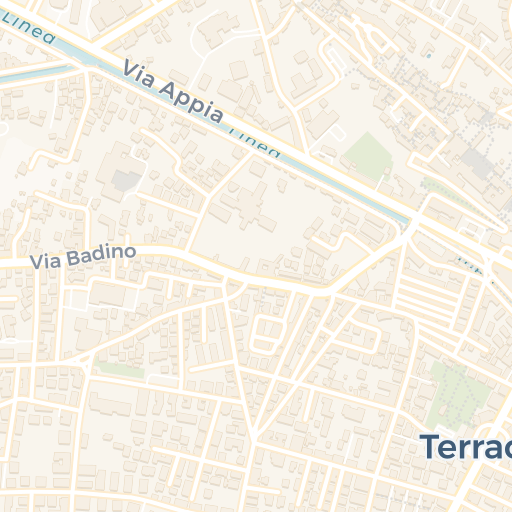
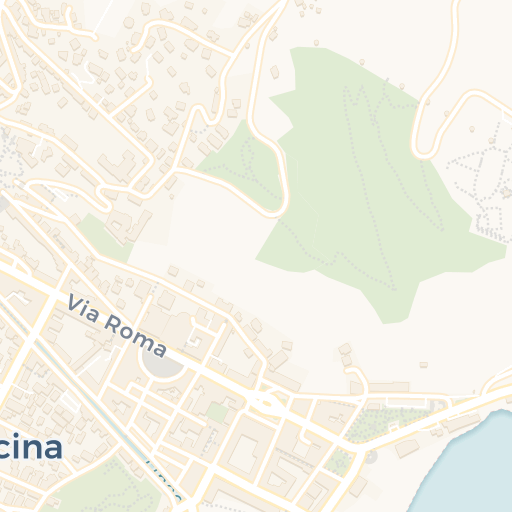
Get directions Open in Apple Maps
© OpenStreetMap contributors · © CARTO · 41.29111, 13.25972
Plan your visit
The Comune di Terracina's tourism portal gives the Tempio di Giove Anxur as open to the public every day from 9:00 to 20:00, at 7 euros full and 5 reduced. The site is managed by the Fondazione Città di Terracina, on 0773359346; the IAT office is on 0773707778, and the published contacts are info@fondazioneterracina.it and museo.civico@comune.terracina.lt.it. The portal also carries a short guide to the site as a PDF in Italian, English, German and Russian.
It is on the summit of Monte Sant'Angelo at 227 m, above Terracina, and has been a natural monument since 2000, entrusted to the comune. Allow for the climb and for exposed terraces at the top.
Three things are easy to walk past. The oracle is west of the temple -- an isolated rock cased in Roman concrete, reachable only from the end of the portico. The ninth-century frescoes are at the east end of the small temple's internal corridor, where the monastery of San Michele Arcangelo put its church, not in anything that looks like a church from outside. And the twelve arches are best understood from below, from the plain, where the terrace reads as the single structure it is.
Verified against Comune di Terracina -- Portale Turistico, October 2026.
When to visit
The Anxur site is open every day, 9:00 to 20:00, which makes the decision one about heat and light rather than access. The site is an exposed summit at 227 m with no shade on the terraces and a climb to reach it, so the middle of a Lazio summer day is the worst combination available; April to June and September to October are the comfortable months, and early or late in the day is the comfortable hour within them.
Light also decides what the place looks like. The great temple faced almost exactly south and survives as a podium, so the structure that reads is the twelve-arch terrace below it -- and arcades need raking light to show as arcades rather than as a grey band. Late afternoon does that, with the sea behind. The vaulted rooms and corridors behind the arches are cool and dim whatever the season, and the First Style painting in the small temple's rooms and the ninth-century frescoes in the converted corridor are indoor work, unaffected by the weather.