

Hadrian's Villa
Last updated on October 8, 2026Why visit Hadrian's Villa
This is not a villa in any sense a visitor will arrive expecting. It is over thirty monumental buildings spread across more than a square kilometre of artificial terraces -- a larger footprint than the city of Pompeii -- built so that an emperor who had spent his reign travelling could keep the places he had seen. The Canopus is a stretch of the Egyptian Nile; the Poecile is Athens' painted stoa; rooms were named for the Lyceum, the Academy and Hades. And because Roman concrete let its architects bend a plan into curves, the results were not copied again at this level of invention until Borromini, who came here to look.
Visit if you:
- want Roman architecture at the moment it stopped being rectangular
- are fascinated by what a ruler builds when nobody is telling him no
- like archaeological sites you walk through rather than look at over a rope
- care about the Egypt that Rome imported, and what that says about Hadrian and Antinous
Skip it if you:
- are expecting standing rooms and mosaics in place -- the marble, the statues and most of the fittings were taken away between the fourth century and the eighteenth, and what remains is brick, concrete and plan
- cannot walk a long way on uneven ground with gradients: the operator states plainly that the route needs suitable footwear, and the site is a square kilometre of it
- have one day for Tivoli and want the fountains -- that is the Villa d'Este, a separate ticket in the town, and doing both properly is a full day
Quick facts
- Type: Roman, Ruins, Site Complex
- Local name: Villa Adriana (vedi la pagina italiana)
- Visitor access: Open to visitors
- Architectural style: Roman imperial
- Size: at least 1 km2
- UNESCO World Heritage Site: Yes
Visit responsibly
This site has been quarried for its materials since the fourth century, and the habit of taking a piece away from it is the oldest thing that happens here. Loose tesserae and marble chips still work free of the floors; picking one up continues a fourteen-hundred-year sequence that is the reason the rooms are bare.
The mosaic floors are walked on rather than roped off in places, and they are the best-preserved thing in several buildings -- the monochrome floral floors of the Hospitalia, the fragments of opus sectile in the Piazza d'Oro, the vault mosaic of the mid-first century B.C. in the cryptoporticus. Staying on the marked route is what keeps them legible; a shortcut across a floor is a shortcut across the exhibit.
Standing walls here are unroofed and have been for centuries, and UNESCO has formally raised the deterioration of the exposed ruins as a concern about this property. Climbing onto masonry for a photograph loads structures that have nothing above them holding them together.
Most of the site is unexcavated and the edges are partly in private hands. The boundary of the paying area is not the boundary of the archaeology, and the fields beyond the fence are the part that has not been dug yet.
Where it is
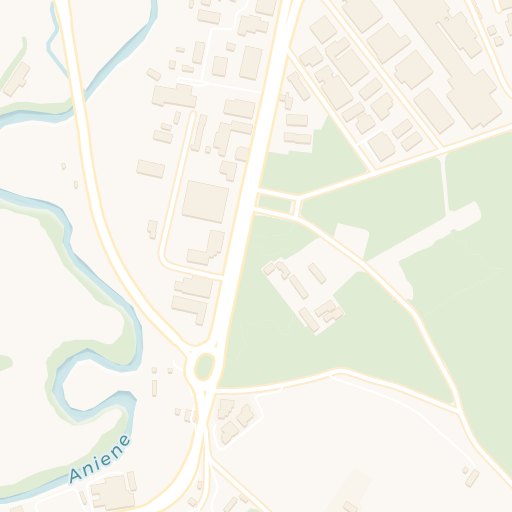
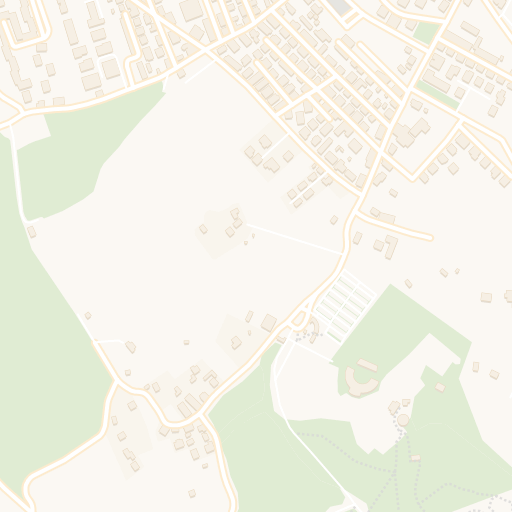
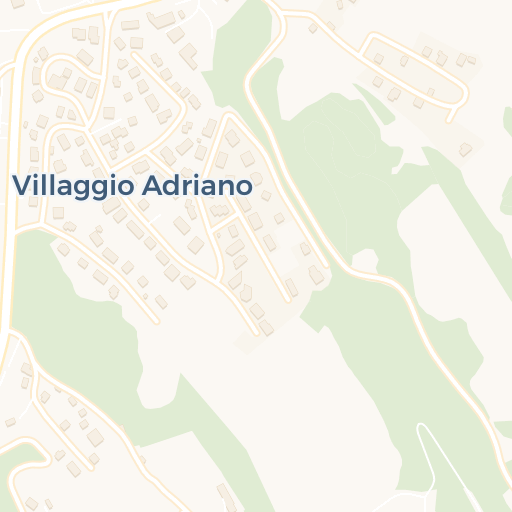
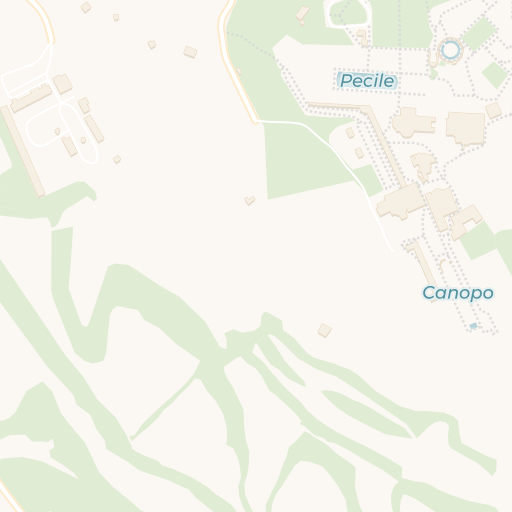
Get directions Open in Apple Maps
© OpenStreetMap contributors · © CARTO · 41.946, 12.77252
Plan your visit
Hadrian's Villa is a state archaeological site run by the Istituto Villa Adriana e Villa d'Este, and a UNESCO World Heritage Site inscribed in 1999. The ticket office is at Largo Marguerite Yourcenar 1, outside the town -- not to be confused with the Villa d'Este in the centre of Tivoli, which is a separate site with a separate ticket at Piazza Trento 5. The archaeological area is open every day; it is closed on 1 January and 25 December. Entry is free on the first Sunday of each month, on 25 April, 2 June and 4 November, and for women on 8 March.
The operator's own advice is about your feet. It states that the nature of the route through the archaeological area, with its paths and gradients, requires suitable clothing and footwear -- which is the honest summary of a square-kilometre site on artificial terraces at different heights. There is a great deal of walking between buildings and very little shade on most of it, so the warning matters more in July than in April.
Doing this and the Villa d'Este on the same day is a full day rather than a half, and the two are far enough apart to need transport between them.
Verified against Italian Ministry of Culture, October 2026.
When to visit
April to early June and late September to October are the months that work: the site is open ground with long shadeless stretches, and it is a square kilometre of walking. July and August are the peak and are genuinely hard here in the middle of the day -- Tivoli is cooler than Rome but this is a field of brick and concrete with the sun on it, and the coach arrivals from Rome land in the same hours. Early morning is the better half of any day in season. Winter is quiet and entirely workable: the architecture is masonry and plan rather than planting, so nothing is out of season, and the low light reads the brickwork better than summer glare does. If you are combining this with the Villa d'Este, do the archaeological site first and the gardens after -- the villa is outside the town and the garden is in it, and the fountains hold up better in late light than ruins do.