

Villa Lante
Last updated on November 3, 2026What makes Villa Lante special
Villa Lante is the garden that forgot to build its villa. You come up through an unremarkable village square, pass under a heavily rusticated arch expecting a facade, and find instead two modest twin casini pushed to one side of a square parterre -- the space a great palace would have occupied is water and clipped box. That is the whole argument of the place: the garden is not an appendix to a house, it is the composition, and the house is a pair of pavilions standing politely out of its way. The friction is that it is small and it is uphill, and if you arrive expecting state rooms you will be done in twenty minutes. Walk it the way it was designed to be read -- from the top down, following the water. It starts as a rough spring at the Fountain of the Deluge, is disciplined into the catena d'acqua, cools wine in a channel cut down the middle of a stone dining table, and arrives in the formal parterre as Giambologna's Fountain of the Moors. Seen in that order the garden is an argument about nature being tamed; seen bottom-up it is just a set of fountains.
The challenge for visitors
Skip it if you:
- expect a furnished palace -- the casini are small and the point is outside
- cannot manage terraced steps, which are the only way between levels
- are travelling with children who need space to run
The visiting strategy
Best period of the year to visit
Come when the water is on and the box is green. Spring and early autumn suit the garden best: the camellias and other ericaceous shrubs planted on the Fontana dei Lumini terrace in the 19th century flower in spring, and the shade of the upper terraces is welcome rather than cold.
Midday light is the one thing worth planning around. Several of the effects are built for it -- the oil-lamp jets of the Fontana dei Lumini are described as blazing like flames in sunlight, and the star-shaped jet over the Montalto arms reads best with the sun on it. Overcast weather flattens exactly those details.
Summer is manageable because the garden is small, wooded above the parterre and full of running water, but it is also when the site is busiest; the villa was voted Italy's most beautiful park in 2011 and is not a secret. Winter strips the deciduous planting back to the architecture of the box and the stonework, which some visitors prefer -- but check the seasonal calendar, because opening is shorter.
Quick facts
- Type: Garden, Mansion, Historic Place
- Local name: Villa Lante (vedi la pagina italiana)
- Built: First casino from the late 1560s; second completed after 1587
- Built by: Cardinal Gianfrancesco Gambara, completed by Cardinal Alessandro Peretti di Montalto
- Built for: A cardinal's villa and water garden, laid out inside a walled hunting park
- Designed by: Attributed to Jacopo Barozzi da Vignola; hydraulics by Tommaso Ghinucci
- Architectural style: Mannerist
- Fountain of the Moors: By Giambologna, at the centre of the Quadrato parterre
- Lost since 1609: The wooded walks, obelisk vistas and maze recorded on that year's plan
Where it is
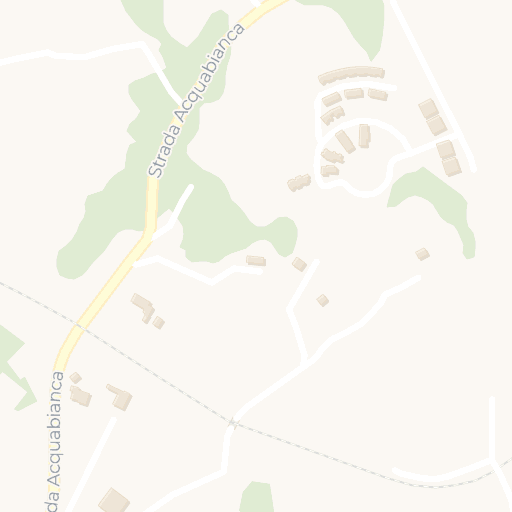
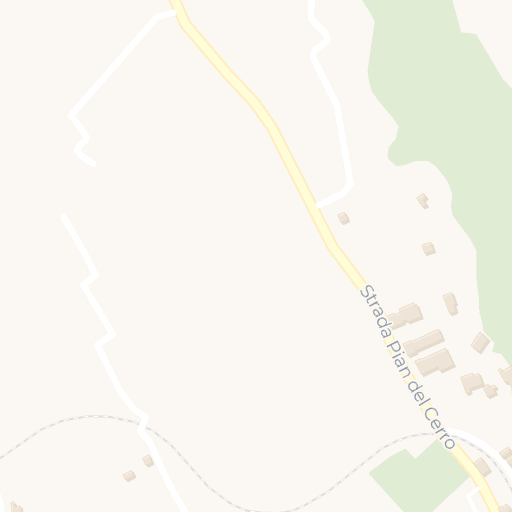
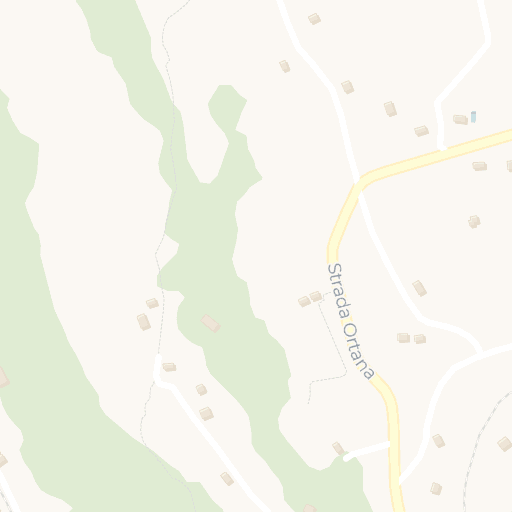
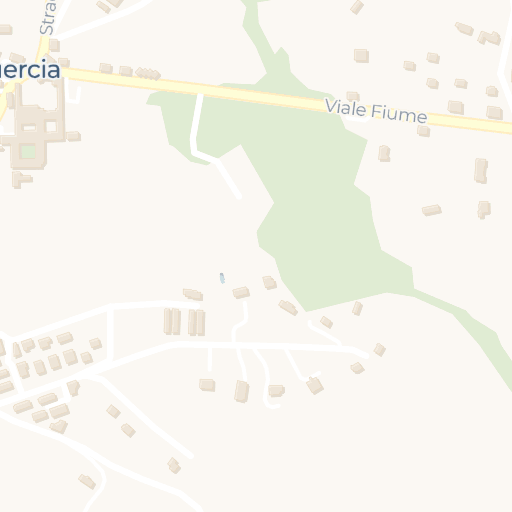
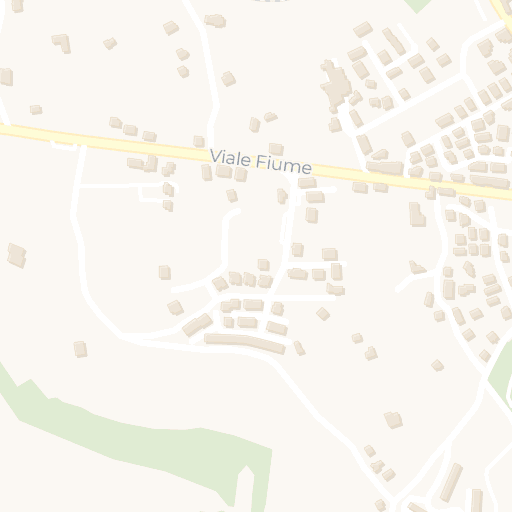
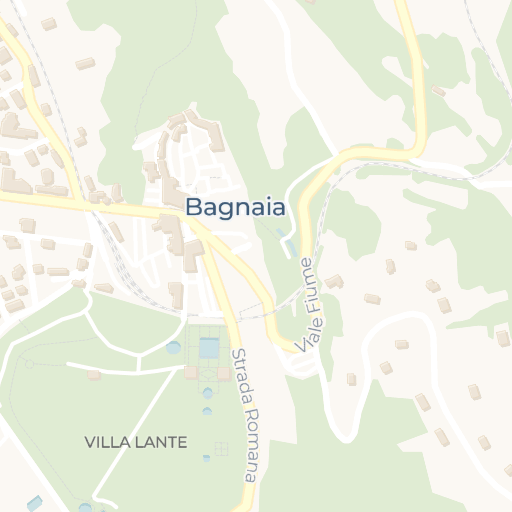
Get directions Open in Apple Maps
© OpenStreetMap contributors · © CARTO · 42.42917, 12.14694
Tickets and admission
Admission
Entry is €5 while the restoration funded under the national recovery plan continues: the ticket was cut from its usual €8 on 1 March 2025 and stays at €5 until the work finishes. The villa remains open throughout, as far as the worksite allows. The villa can be contacted at vm-tuscia.villalante@cultura.gov.it.
Plan your visit
Villa Lante is at Bagnaia, a frazione of Viterbo in northern Lazio, reached through the village square and a rusticated arch at the top of it. The villa is Italian state property and is run by the Istituto Ville monumentali della Tuscia, created in 2024 in the Ministry of Culture's reorganisation, which also looks after Palazzo Farnese at Caprarola, Palazzo Altieri at Oriolo Romano and Villa Giustiniani at Bassano Romano.
Opening times
The villa opens at 8.30 every day except Monday, and closes on a seasonal calendar: 16.30 in January and February, 17.30 in March, 18.30 from 1 to 15 April, 19.30 from 16 April to 15 September, 18.30 from 16 September to 31 October, and 16.30 through November and December. Last admission is between forty-five minutes and an hour before closing depending on the season.
One thing worth knowing before travelling: between 1 November and 15 March the villa closes at 13.45 on Sundays and public holidays, with last admission at 13.15 — far earlier than on a weekday. It is also closed on Mondays, 1 January and 25 December.
The garden is also a building site. Restoration funded under the national recovery plan has been under way since 2025, and the Istituto's notice is explicit that the villa stays open to visitors only so far as the works allow — so expect part of the eighteen hectares to be fenced on any given day. The entrance ticket has been cut from €8 to €5 for the duration.
Walking the garden
Budget an hour to ninety minutes and walk the garden downhill. The five terraces are linked only by the stone staircases that flank the water features, so there is no step-free route from the Fountain of the Deluge at the top to the Quadrato parterre at the bottom, and the climb up is continuous. Start at the top if you can: the water runs that way, and the design reads as a sequence from wild spring to formal parterre only in that direction.
The two casini are small and are not the reason to come — the Gambara one holds the frescoed loggias, the Montalto the plaster-and-fresco reception room. Everything else is outdoors and much of it is unshaded, apart from the oaks, holm oaks and planes above the parterre.
Verified against Italian Ministry of Culture, October 2026.
Visit responsibly
This is a working hydraulic system that has run on gravity since the 16th century, not a set of pumps that can be switched off and repaired. The fountains, the catena d'acqua and the cooling channel in the stone table all depend on the same flow Tommaso Ghinucci engineered, and the basins and parapets -- the stone pineapples and urns that interrupt the water, the crayfish claws at the foot of the chain -- are original carved stone standing within reach of every visitor. Do not sit on, lean against or put hands into them.
The garden has already lost things. A perspective plan of 1609 shows walks through woodland, vistas to obelisks and a maze, none of which survive, and in 1944 the gardens and casini were heavily damaged by Allied bombing after the fall of Rome. What stands now is partly the result of a long restoration programme completed in the late 20th century under Angelo Cantoni. Keep to the gravel and the steps rather than cutting across the parterre: the low box patterns are the design, and a shortcut across them does visible damage that takes years to grow out.
Bagnaia is a small village and the villa is at the top of it. Arriving by public transport from Viterbo, or parking in the village and walking up, keeps vehicle traffic out of a square that was never built for it.