

Badia a Coltibuono
Last updated on November 3, 2026What makes Badia a Coltibuono special
Badia a Coltibuono is what happened to a great Tuscan monastery when the state abolished it, and the whole sequence is legible in one afternoon. The abbey was founded in 1049 , was Vallombrosan by 1115 , grew rich enough to control three other religious houses, and was held in commendam by the man who became Pope Leo X . Then on 29 September 1810 , during celebrations for the birth of Napoleon's son, a decree expelled religious from every monastery. Coltibuono was suppressed and sold. The friction is that the farm is the point now, not the church. The monastery was turned into a nineteenth-century country house and the church demoted to a parish. What you enter today is a wine estate, and the abbey is entered on a booked tour rather than pushed open. The smart way is to book the visit that includes the cloister and the garden, and then look up. The tour tiers start at 30 euro for an hour and the ones worth having take in the former abbey, the historic cellars, the cloister and the Italian garden . Beside the buildings stands a Cedar of Lebanon 20 metres tall with a trunk seven metres round , on Tuscany 's monumental-tree register — and the fir woods all around were planted by monks.
Visiting tips and strategy
When to go
Whenever you have booked, because that is the only way in. The practical constraint here is not the season but the calendar: slots are finite and the estate asks you to email if the online booking shows nothing.
Spring and early autumn for the garden. The hortus conclusus is box, aromatics and officinal plants — at its best when those are growing, and the vine pergolas are in leaf from late spring.
Late summer into autumn for the estate at work. Harvest begins in late August, and an organic wine and oil producer is at its most interesting then; the olive harvest follows in the autumn.
Winter is for the building, not the grounds. At this altitude on the Monti del Chianti the fir woods and the stone are the whole picture, and the evening meal with a 40-minute tour is the sensible winter version of the visit.
20 January is the feast of the blessed Benedetto Ricasoli, whose remains lie beneath the high altar — a date worth knowing if the devotional side of the abbey is why you came.
Verified against Badia a Coltibuono, October 2026.
Getting there and getting in
You get into the abbey by booking a visit, and the estate publishes what each one costs. There is no general opening hour for the church or the cloister: access is through the estate's tours, which is the only arrangement its pages offer.
The tiers, as priced by the estate's own shop (prices quoted as published in October 2026 and liable to change): Visita e Degustazione, 30 euro, one hour, a tour of Coltibuono with three Chianti Classico wines and schiacciata; Visita e degustazione con schiacciata, 35 euro, an hour and a half, with four wines; Sapori di Coltibuono, 45 euro, two hours, a guided visit of the former abbey, the historic cellars, the cloister and the Italian garden followed by four wines with Tuscan tastings; and Visita privata, 75 euro, two hours, with five wines.
Eating here is also a way in. Cena con visita and Pranzo con visita — Menù Monastero are 67 euro, pairing a 40-minute guided tour of the former abbey with a three-course meal and three wines. The Corso di Cucina is 160 euro for four hours, starting at 10:30, and includes a guided visit of the abbey. A picnic basket is 55 euro a head, minimum two.
Book ahead and use email if the calendar looks full. The estate gives reception@coltibuono.com and enoteca@coltibuono.com for slots that do not appear online, and the telephone 0577 74481. The address is Badia a Coltibuono, 53013 Gaiole in Chianti (SI).
Getting here. Coltibuono is north-east of Gaiole, uphill, on the road towards Montevarchi and the Valdarno. There is no bus timetable published for it and no station anywhere in the comune; this is a drive.
Quick facts
- Type: Monastery, Church, Historic Place, Garden
- Local name: Badia a Coltibuono (vedi la pagina italiana)
- Built: Founded 1049; bell tower begun 1160; nave vault and decoration eighteenth-century
- Built by: Firidolfi family; Vallombrosan monks
- Architectural style: Romanesque abbey church on a Latin-cross Vallombrosan plan, with a late-Baroque nave vault and a stepped tiburio
Where it is
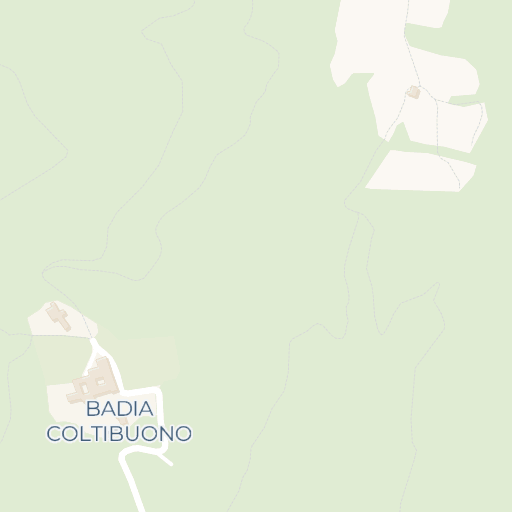
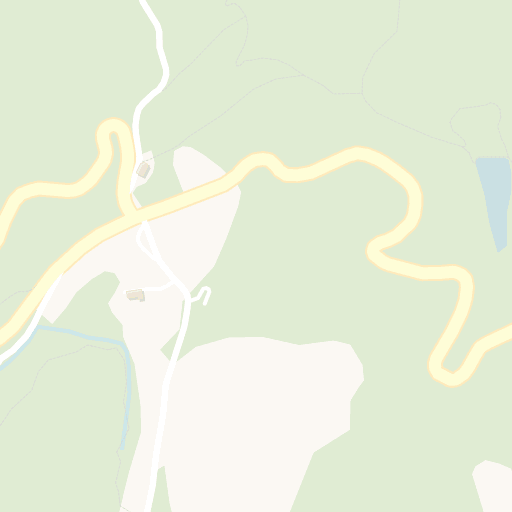
Get directions Open in Apple Maps
© OpenStreetMap contributors · © CARTO · 43.49492, 11.44978
Visit responsibly
This is a working organic estate with a church inside it. The abbey church remained a parish church after the suppression and the monastery is a private house; nothing here is open because it is a monument.
Book, and book honestly. Tell the estate about dietary restrictions when you book the cookery course, as it asks, rather than at the stove.
Treat the altar as an altar. The beatified Vallombrosan monk Benedetto Ricasoli is buried beneath it, and his cult is still alive in the diocese of Fiesole.
Stay off the hedges and out of the basin. The garden's box geometry and its pietra serena paving were restored at considerable cost in recent decades, and the aromatic plantings are the working part of it.
The woods are planted, and they are property. The silver firs around the abbey were put there by monks and extended in the nineteenth century; the paths through them are the estate's, and fire risk in a conifer plantation in a Tuscan summer is not theoretical.